
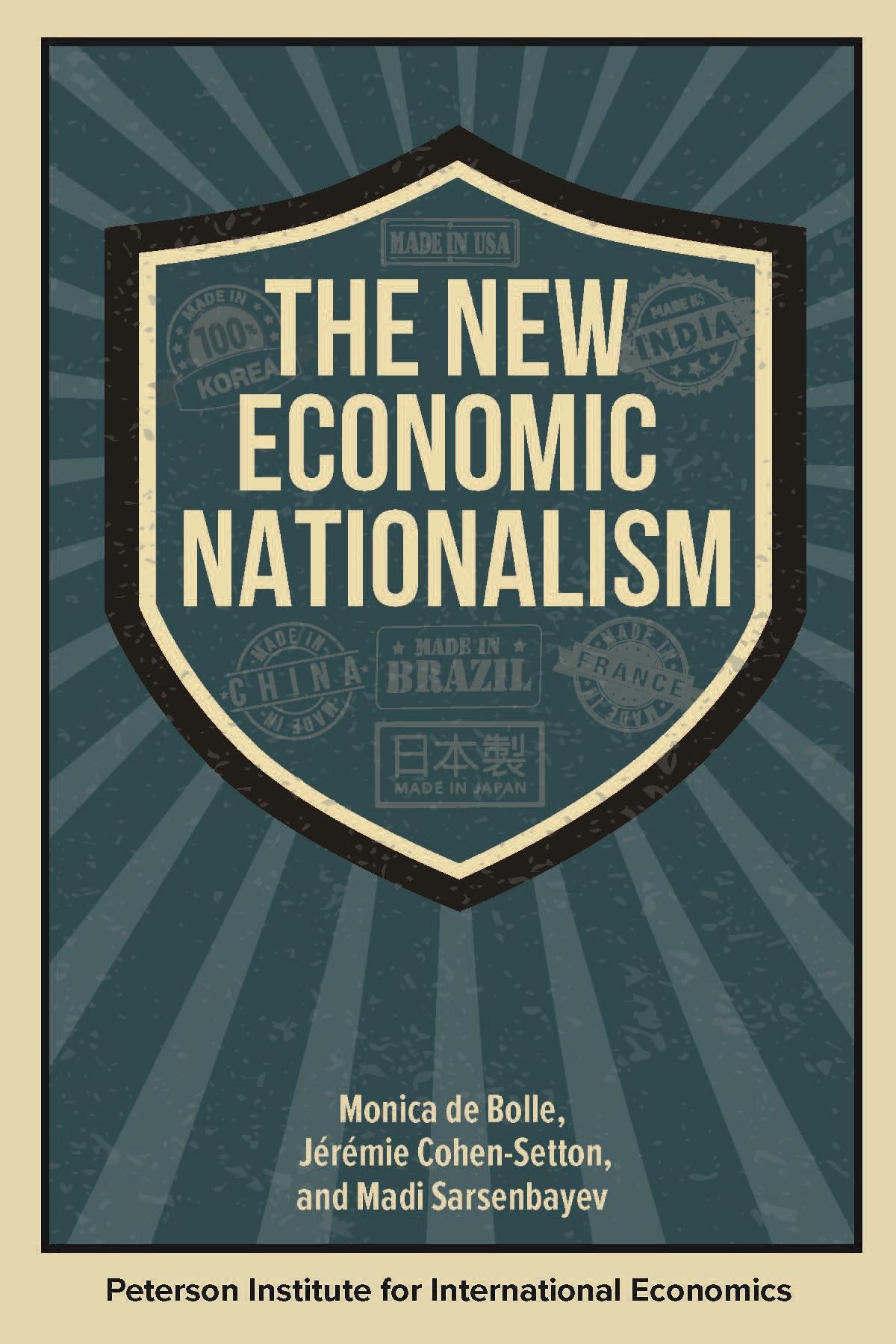
Empires, city states, and nations have long pursued aggressive trade, tax, and investment policies to amass wealth. A new consensus emerged after the Great Depression and World War II supporting liberalized international trade, economic cooperation, and free markets. Today that consensus has shattered, replaced by a “new economic nationalism” of industrial policy, tariffs, and various methods of state support for the economy. Can this new approach deliver stability, national security, and prosperity? This book examines case studies revealing a decidedly mixed record. In some instances, economic nationalist policies have fostered growth and declining unemployment, though accompanied by fiscal costs and inefficiency. In much of the developing world, however, economic nationalist policies have produced corruption, debt burdens, inflation, and ultimately stagnation. By examining the past, The New Economic Nationalism provides a roadmap to an uncertain future.
Płać wygodnie kartą, Klarną, Apple Pay lub Google Pay. Nie jesteś zadowolony? Zawsze masz 14-dniową gwarancję zwrotu pieniędzy. Więcej przeczytasz w naszych warunkach. Masz pytania? Napisz do nas na hello@memmo.org.
Memmo ułatwia naukę – gdziekolwiek jesteś na świecie. U nas znajdziesz podręczniki i sprytne narzędzia do nauki w jednym miejscu: streszczenia, quizy, podcasty i fiszki. A do tego Ted, Twój kumpel do nauki, który odpowie na wszystko, co Cię nurtuje. Ponad 50 000 studentów już tu się uczy – stworzone, byś uczył się szybciej i mniej stresował.
Może Ci się spodobać
Kup książkę0