
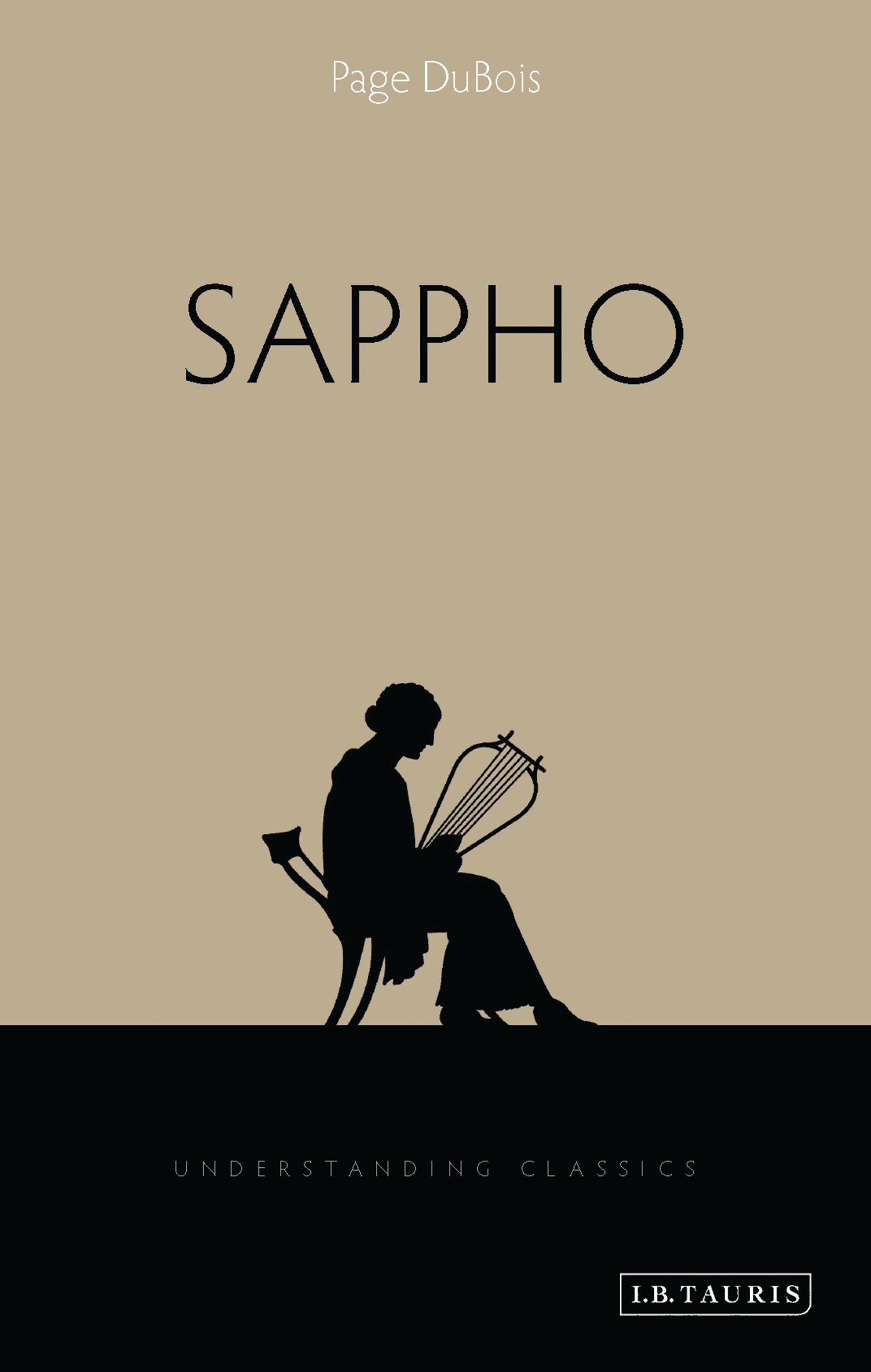
Sappho has been constructed as many things: proto-feminist, lesbian icon and even - by the Victorians - chaste headmistress of a girls' finishing school. Yet ironically, as Page DuBois shows, the historical poet herself remains elusive. We know that Sappho's contemporary Alcaeus described her as 'violet, pure, honey-smiling Sappho'; and that the rhetorician and philosopher Maximus of Tyre saw her, perhaps less enthusiastically, as 'small and dark'. We also know that her 7th/6th century BCE island of Lesbos was riven by tyrannical and aristocratic factionalism and that she was probably exiled to Sicily. Much of the rest is speculative. DuBois suggests that the value of Sappho lies elsewhere: in her remarkable verse, and in the poet's reception - one of the richest of any figure from antiquity. Offering nuanced readings of the poems, written in an archaic Aeolic dialect, DuBois skillfully draws out their sharp images and rhythmic melody. She further discusses the exciting discovery of a new verse fragment in 2004, and the ways in which Sappho influenced Catullus, Horace and Ovid, as well as later writers and painters.
Płać wygodnie kartą, Klarną, Apple Pay lub Google Pay. Nie jesteś zadowolony? Zawsze masz 14-dniową gwarancję zwrotu pieniędzy. Więcej przeczytasz w naszych warunkach. Masz pytania? Napisz do nas na hello@memmo.org.
Memmo ułatwia naukę – gdziekolwiek jesteś na świecie. U nas znajdziesz podręczniki i sprytne narzędzia do nauki w jednym miejscu: streszczenia, quizy, podcasty i fiszki. A do tego Ted, Twój kumpel do nauki, który odpowie na wszystko, co Cię nurtuje. Ponad 50 000 studentów już tu się uczy – stworzone, byś uczył się szybciej i mniej stresował.