
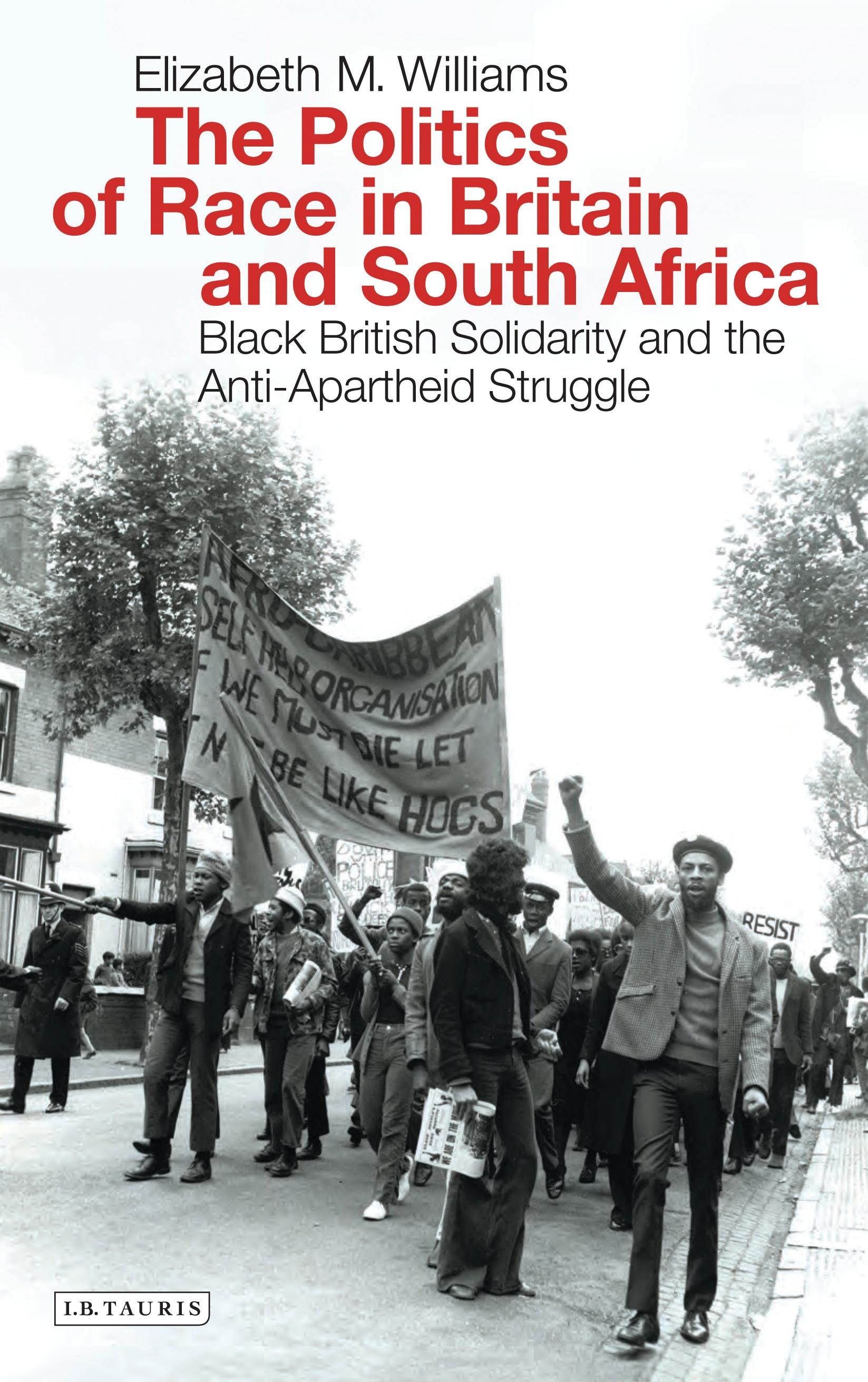
The postwar government of South Africa, led by H.F. Verwoerd, implemented wide-ranging racial segregation laws, beginning the open policy of apartheid in one of Africa's most prosperous and internationally influential states. During the apartheid era, the British government faced an uneasy dilemma: while repudiating apartheid laws it maintained an ambiguous stance towards the South African government. As black South Africans were reduced to the status of non-citizens after the 1970 Citizenship Act, increasing numbers of exiles and fugitives were finding refuge in Britain, which was now home to a growing anti-apartheid protest movement. This is the first book to examine the British support for the anti-apartheid movement among its own black communities. Elizabeth Williams highlights the connection between domestic anti-racism struggles and the struggle in South Africa, showing how black Britons who were themselves fighting racism in British society identified and expressed solidarity with black South Africans during the Apartheid years. Williams further assesses the way in which Black communities in Britain viewed Margaret Thatcher's support of South Africa despite the international call for sanctions. Featuring the work of acclaimed documentary photographer and civil rights activist Vanley Burke, this will be an essential book for students and scholars of race, British history, international relations, post-colonial studies and South African history.
Płać wygodnie kartą, Klarną, Apple Pay lub Google Pay. Nie jesteś zadowolony? Zawsze masz 14-dniową gwarancję zwrotu pieniędzy. Więcej przeczytasz w naszych warunkach. Masz pytania? Napisz do nas na hello@memmo.org.
Memmo ułatwia naukę – gdziekolwiek jesteś na świecie. U nas znajdziesz podręczniki i sprytne narzędzia do nauki w jednym miejscu: streszczenia, quizy, podcasty i fiszki. A do tego Ted, Twój kumpel do nauki, który odpowie na wszystko, co Cię nurtuje. Ponad 50 000 studentów już tu się uczy – stworzone, byś uczył się szybciej i mniej stresował.