
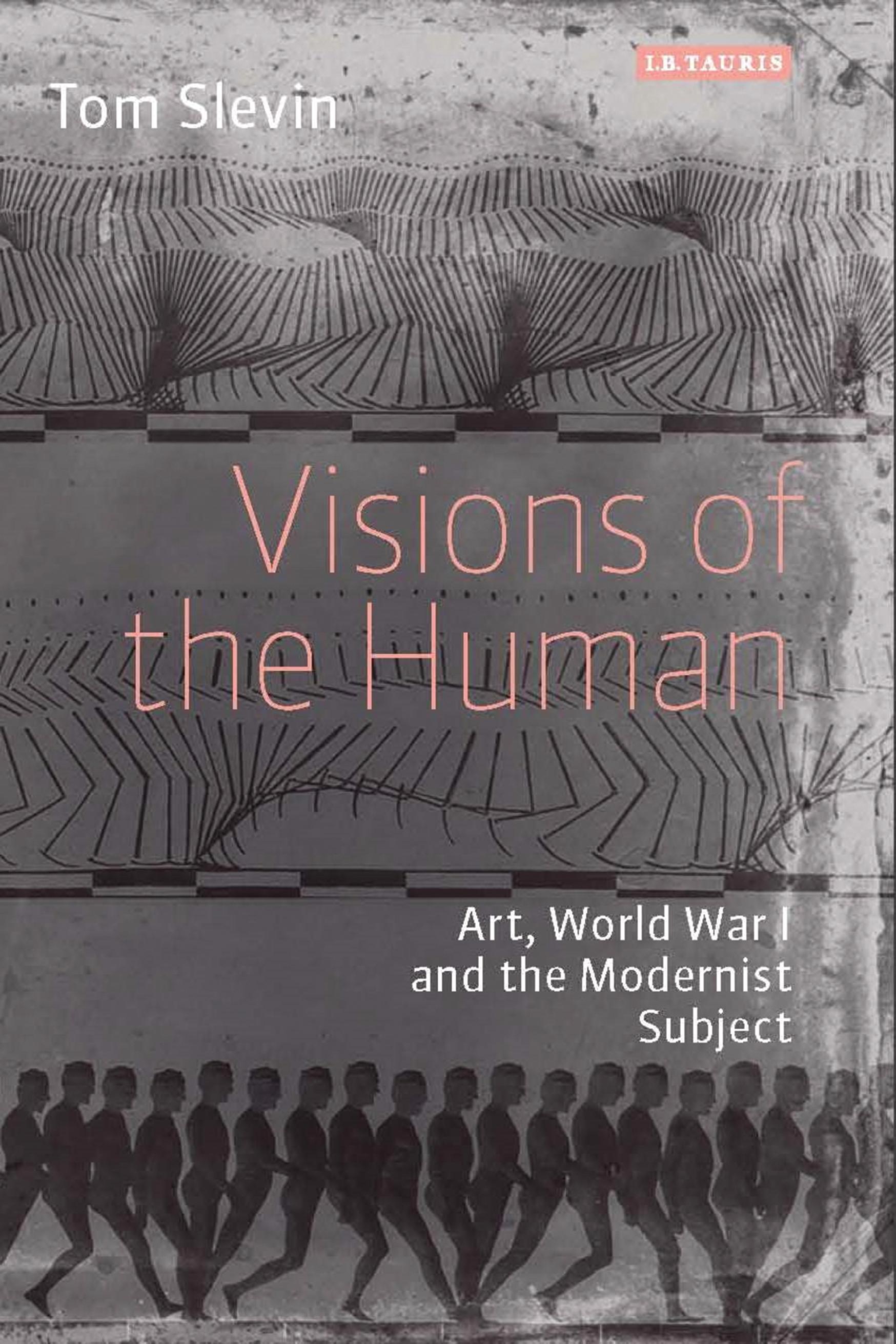
In what ways do the artistic avant-garde's representations of the human body reflect the catastrophe of World War I? The European modernists were inspired by developments in the nineteenth-century, yielding new forms of knowledge about the nature of reality and repositioning the human body as the new 'object' of knowledge. New 'visions' of the human subject were created within this transformation. However, modernity's reactionary political climate - for which World War I provided a catalyst - transformed a once liberal ideal between humanity, environment, and technology, into a tool of disciplinary rationalisation. Visions of the Human considers the consequences of this historical moment for the twentieth and twenty-first centuries. It explores the ways in which the 'technologies of the self' that inspired the avant-garde were increasingly instrumentalised by conservative politics, urbanism, consumer capitalism and the society of 'the spectacle'. This is an engaging and powerful study which challenges prior ideas and explores new ways of thinking about modern visual culture.
Płać wygodnie kartą, Klarną, Apple Pay lub Google Pay. Nie jesteś zadowolony? Zawsze masz 14-dniową gwarancję zwrotu pieniędzy. Więcej przeczytasz w naszych warunkach. Masz pytania? Napisz do nas na hello@memmo.org.
Memmo ułatwia naukę – gdziekolwiek jesteś na świecie. U nas znajdziesz podręczniki i sprytne narzędzia do nauki w jednym miejscu: streszczenia, quizy, podcasty i fiszki. A do tego Ted, Twój kumpel do nauki, który odpowie na wszystko, co Cię nurtuje. Ponad 50 000 studentów już tu się uczy – stworzone, byś uczył się szybciej i mniej stresował.