
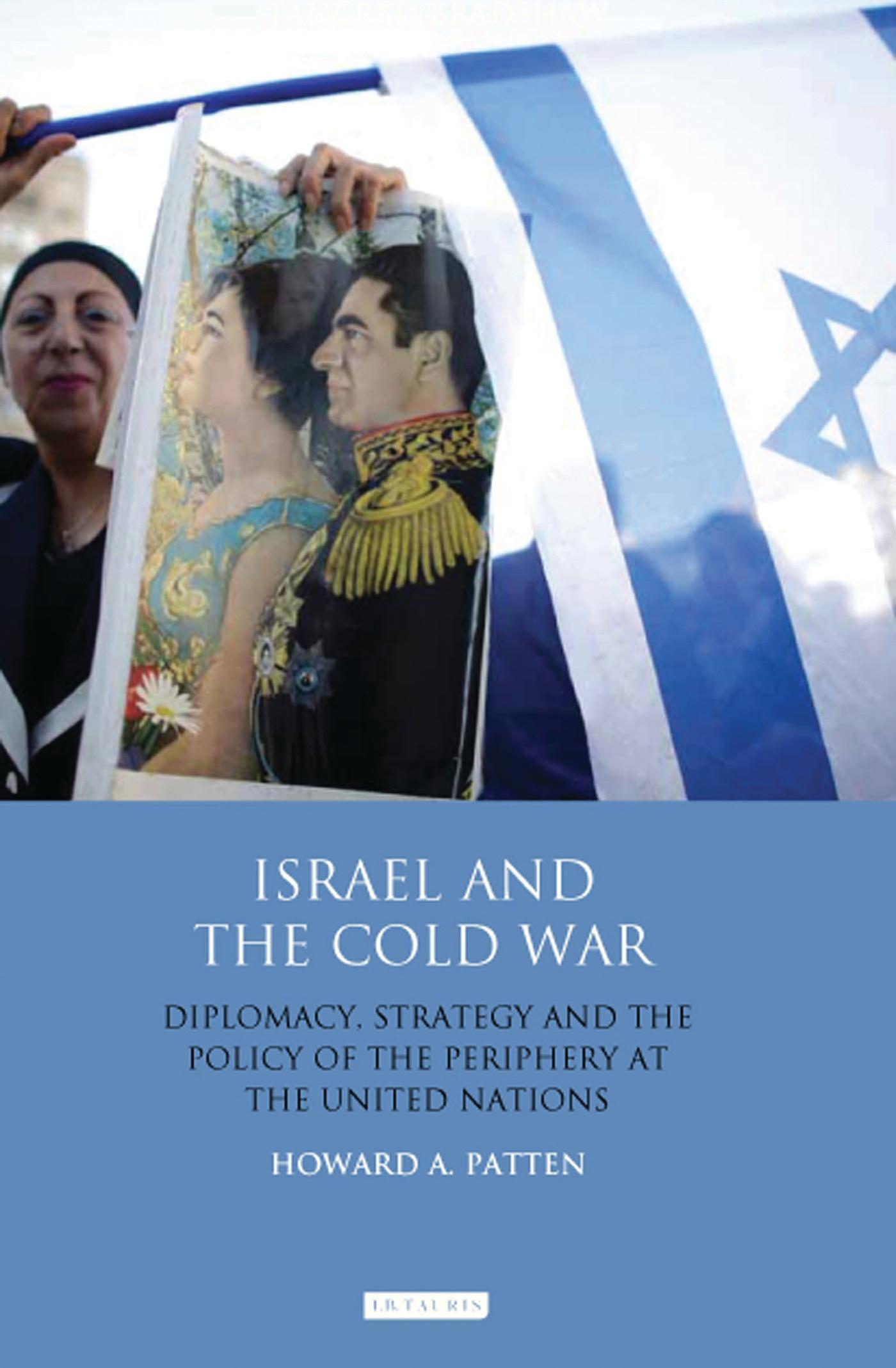
In the wake of its creation in 1948, the state of Israel was confronted with the challenge of establishing foreign relations with key players in the region, in the face of opposition from most of the Arab states. Howard Patten explores the genesis and development of Israel's foreign relations with Iran, Turkey and Ethiopia, known as the 'Policy of the Periphery'. Highlighting the pragmatism and Realpolitik at the heart of this policy, Israel and the Cold War analyses the national interests and mutual concerns which shaped relations and strategy at the United Nations during the critical moments of the establishment of the State of Israel and the following forty years, before the ramifications of the Iranian Revolution became apparent. During this period, Israel made efforts to create pragmatic alliances behind closed doors at the UN, even as ambivalence and hostility reigned in the public sphere.
Patten thus examines the implications that the Cold War system of ideological combat had on these attempts to maintain implicit, yet cordial understandings, as world events - such as the Suez Crisis of 1956, successive crises over Cyprus and the Ethiopian and Iranian Revolutions - tested the 'Policy of the Periphery'. 'Israel and the Cold War' traces the development of Israel's relations with these three states, from their initial beginnings to consolidation, then rejection and subsequent efforts to realign. Patten highlights the extensive diplomatic and military reverberations that occurred throughout the region, and the way in which these were played out at the UN. Based primarily on UN documents, this book is a vital primary resource for those researching the period in question and the formulation of foreign policy in the Middle East.
Patten thus examines the implications that the Cold War system of ideological combat had on these attempts to maintain implicit, yet cordial understandings, as world events - such as the Suez Crisis of 1956, successive crises over Cyprus and the Ethiopian and Iranian Revolutions - tested the 'Policy of the Periphery'. 'Israel and the Cold War' traces the development of Israel's relations with these three states, from their initial beginnings to consolidation, then rejection and subsequent efforts to realign. Patten highlights the extensive diplomatic and military reverberations that occurred throughout the region, and the way in which these were played out at the UN. Based primarily on UN documents, this book is a vital primary resource for those researching the period in question and the formulation of foreign policy in the Middle East.
Płać wygodnie kartą, Klarną, Apple Pay lub Google Pay. Nie jesteś zadowolony? Zawsze masz 14-dniową gwarancję zwrotu pieniędzy. Więcej przeczytasz w naszych warunkach. Masz pytania? Napisz do nas na hello@memmo.org.
Memmo ułatwia naukę – gdziekolwiek jesteś na świecie. U nas znajdziesz podręczniki i sprytne narzędzia do nauki w jednym miejscu: streszczenia, quizy, podcasty i fiszki. A do tego Ted, Twój kumpel do nauki, który odpowie na wszystko, co Cię nurtuje. Ponad 50 000 studentów już tu się uczy – stworzone, byś uczył się szybciej i mniej stresował.