
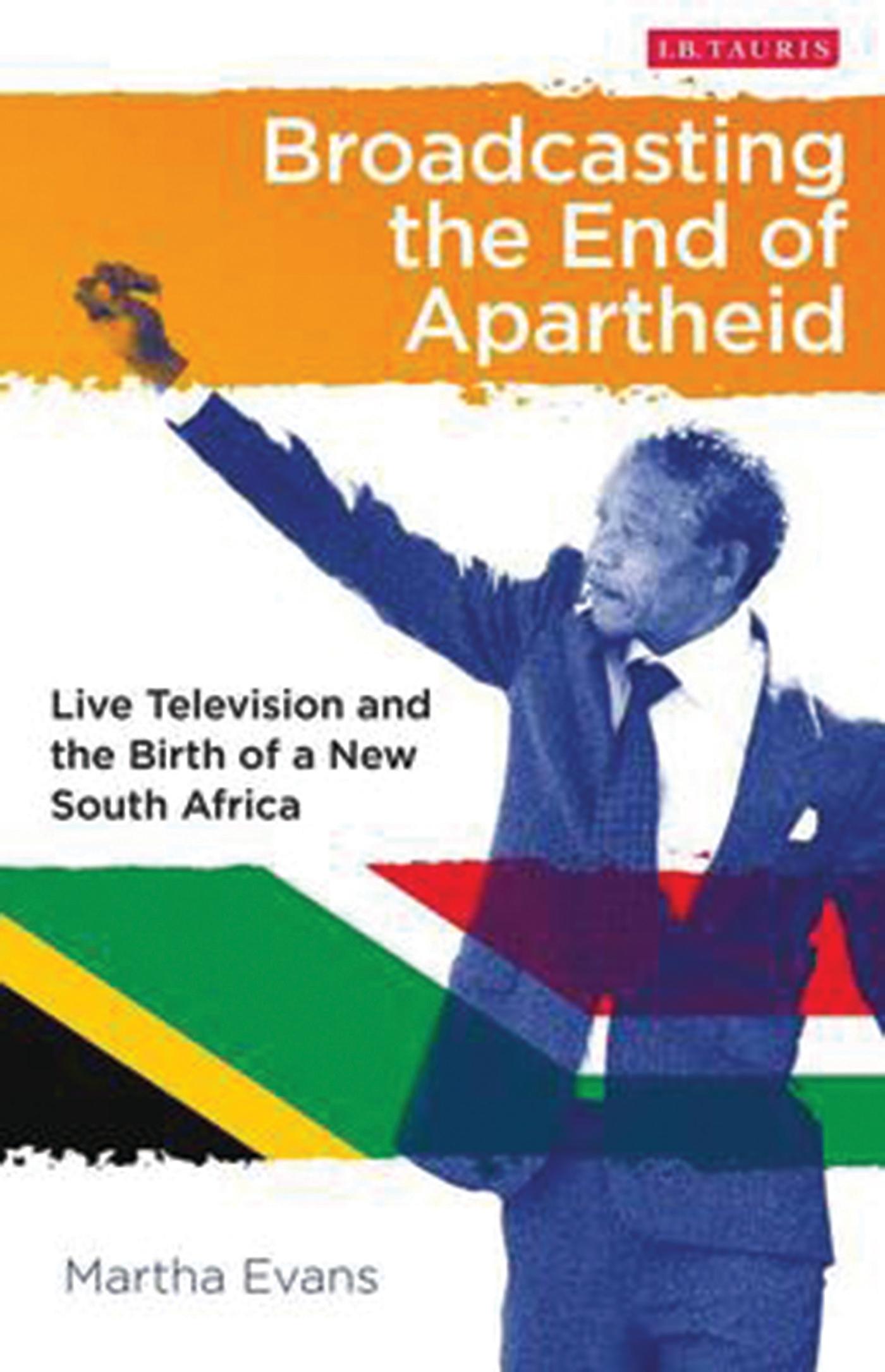
South Africa came late to television; when it finally arrived in the late 1970s the rest of the world had already begun to boycott the country because of apartheid. While the ruling National Party feared the integrative effects of television, they did not foresee how exclusion from globally unifying broadcasts would gradually erode their power. South Africa was barred from participating in some of television's greatest global attractions (including sporting events such as the Olympics and contests such as Miss World). With the release of Nelson Mandela from prison came a proliferation of large-scale live broadcasts as the country was permitted to return to international competition, and its re-admittance was played out on television screens across the world. These events were pivotal in shaping and consolidating the country's emerging post-apartheid national identity. Broadcasting the End of Apartheid assesses the socio-political effects of live broadcasting on South Africa's transition to democracy.
Martha Evans argues that just as print media had a powerful influence on the development of Afrikaner nationalism, so the 'liveness' of television helped to consolidate the post-apartheid South African national identity.
Martha Evans argues that just as print media had a powerful influence on the development of Afrikaner nationalism, so the 'liveness' of television helped to consolidate the post-apartheid South African national identity.
Płać wygodnie kartą, Klarną, Apple Pay lub Google Pay. Nie jesteś zadowolony? Zawsze masz 14-dniową gwarancję zwrotu pieniędzy. Więcej przeczytasz w naszych warunkach. Masz pytania? Napisz do nas na hello@memmo.org.
Memmo ułatwia naukę – gdziekolwiek jesteś na świecie. U nas znajdziesz podręczniki i sprytne narzędzia do nauki w jednym miejscu: streszczenia, quizy, podcasty i fiszki. A do tego Ted, Twój kumpel do nauki, który odpowie na wszystko, co Cię nurtuje. Ponad 50 000 studentów już tu się uczy – stworzone, byś uczył się szybciej i mniej stresował.