
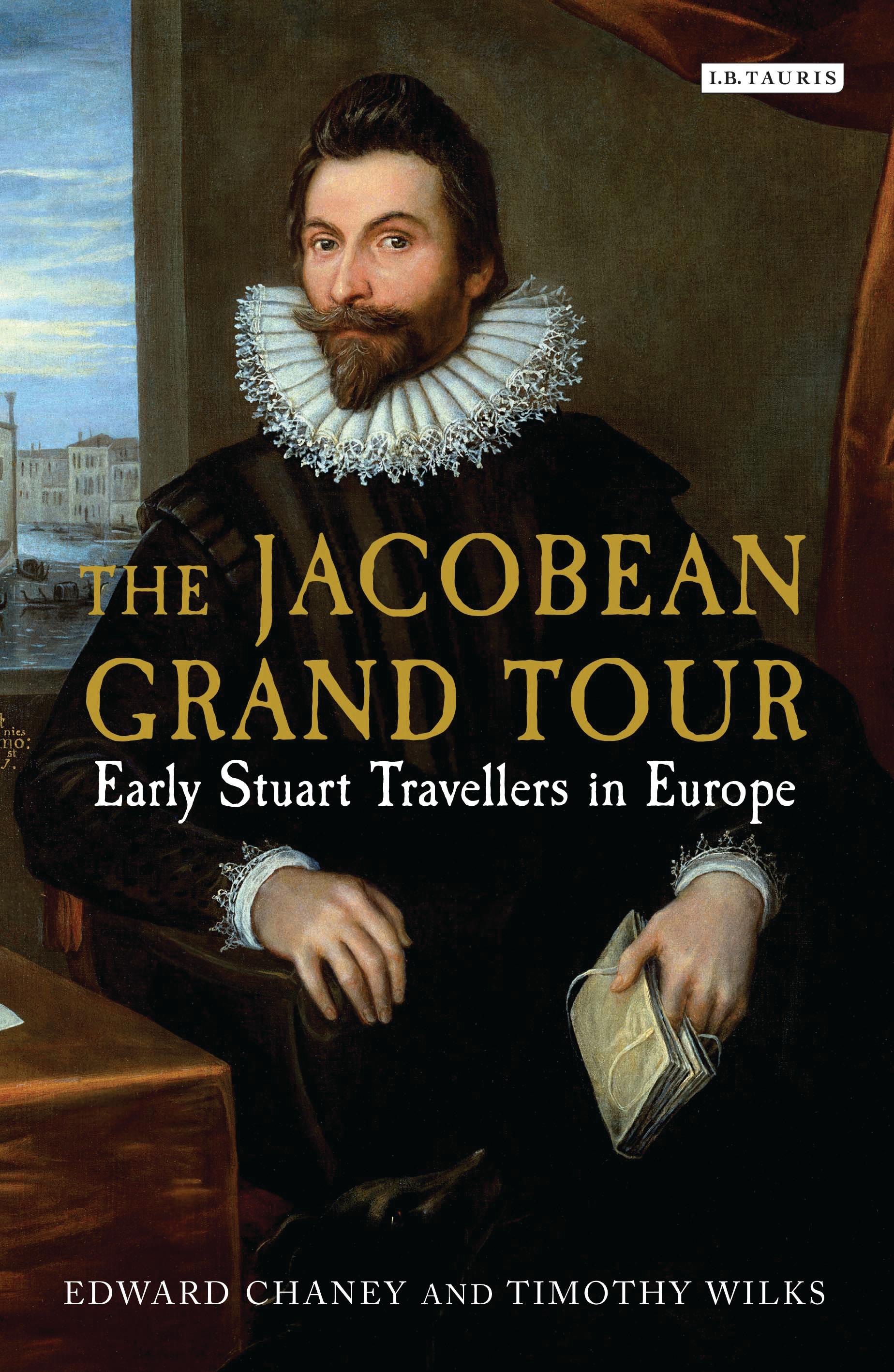
Although the eighteenth century is traditionally seen as the age of the Grand Tour, it was in fact the continental travel of Jacobean noblemen which really constituted the beginning of the Tour as an institutionalized phenomenon. James I's peace treaty with Spain in 1604 rendered travel to Catholic Europe both safer and more respectable than it had been under the Tudors and opened up the continent to a new generation of aristocratic explorers, enquirers and adventurers. This book examines the political and cultural significance of the encounters that resulted, focusing in particular on two of England's greatest, and newly united, families: the Cecils and the Howards. It also considers the ways in which Protestants and Catholics experienced the aesthetic and intellectual stimulus of European travel and how the cultural experiences of the travellers formed the essential ingredients in what became the Grand Tour.
Płać wygodnie kartą, Klarną, Apple Pay lub Google Pay. Nie jesteś zadowolony? Zawsze masz 14-dniową gwarancję zwrotu pieniędzy. Więcej przeczytasz w naszych warunkach. Masz pytania? Napisz do nas na hello@memmo.org.
Memmo ułatwia naukę – gdziekolwiek jesteś na świecie. U nas znajdziesz podręczniki i sprytne narzędzia do nauki w jednym miejscu: streszczenia, quizy, podcasty i fiszki. A do tego Ted, Twój kumpel do nauki, który odpowie na wszystko, co Cię nurtuje. Ponad 50 000 studentów już tu się uczy – stworzone, byś uczył się szybciej i mniej stresował.