
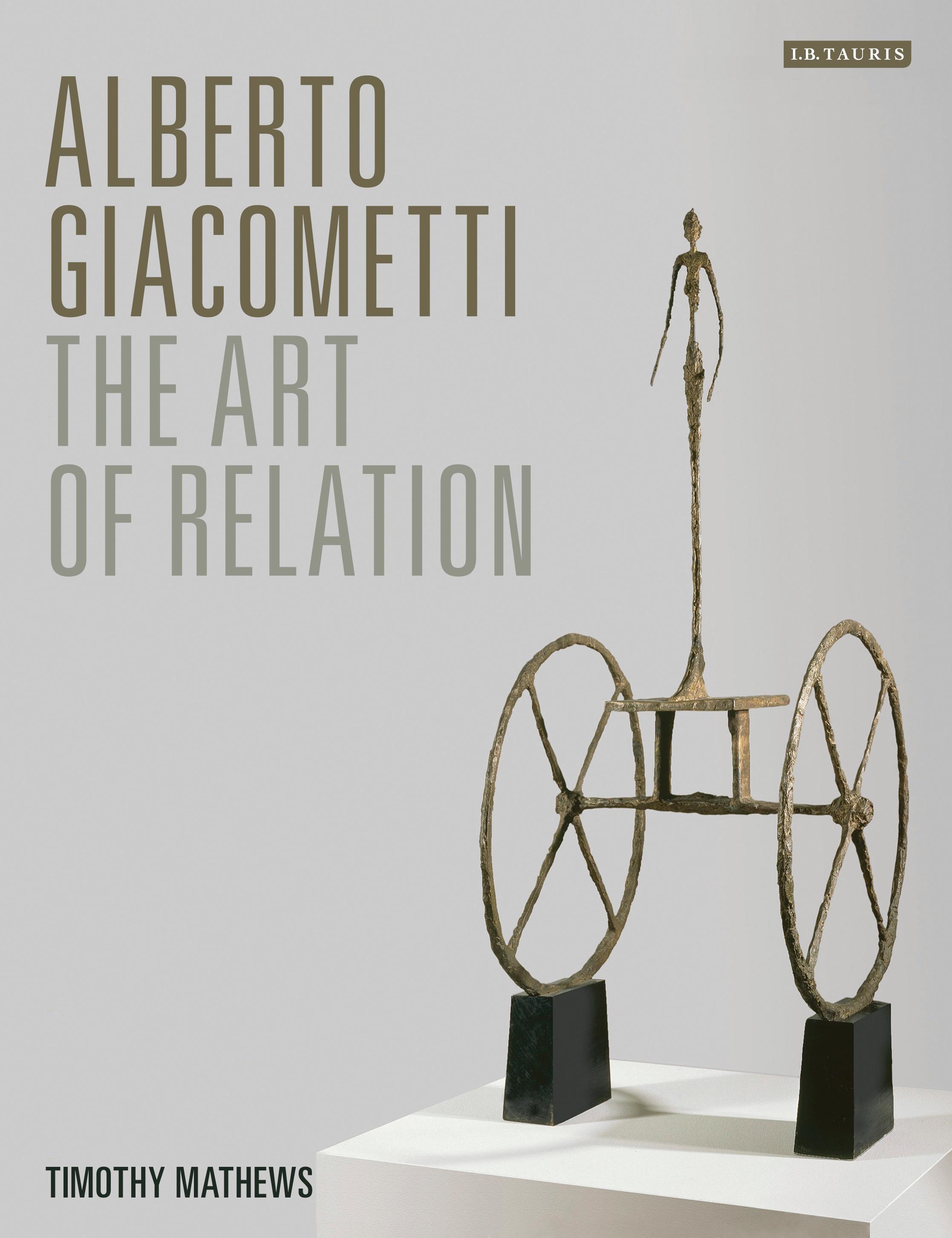
Alberto Giacometti's attenuated figures of the human form are among the most significant artistic images of the twentieth century. Jean-Paul Sartre and Andre Breton are just two of the great thinkers whose thought has been nurtured by the graceful, harrowing work of Giacometti, which continues to resonate with artists, writers and audiences. Timothy Mathews explores fragility, trauma, space and relationality in Giacometti's art and writing and the capacity to relate that emerges. In doing so, he draws upon the novels of W.G. Sebald, Samuel Beckett and Cees Nooteboom and the theories of Maurice Blanchot and Bertolt Brecht; and recasts Giacometti's Le Chariot as Walter Benjamin's angel of history. This book invites readers on a voyage of discovery through Giacometti's deep concerns with memory, attachment and humanity. Both a critical study of Giacometti's work and an immersion in its affective power, it asks what encounters with Giacometti's pieces can tell us about our own time and our own ways of looking; and about the humility of relating to art.
Płać wygodnie kartą, Klarną, Apple Pay lub Google Pay. Nie jesteś zadowolony? Zawsze masz 14-dniową gwarancję zwrotu pieniędzy. Więcej przeczytasz w naszych warunkach. Masz pytania? Napisz do nas na hello@memmo.org.
Memmo ułatwia naukę – gdziekolwiek jesteś na świecie. U nas znajdziesz podręczniki i sprytne narzędzia do nauki w jednym miejscu: streszczenia, quizy, podcasty i fiszki. A do tego Ted, Twój kumpel do nauki, który odpowie na wszystko, co Cię nurtuje. Ponad 50 000 studentów już tu się uczy – stworzone, byś uczył się szybciej i mniej stresował.