
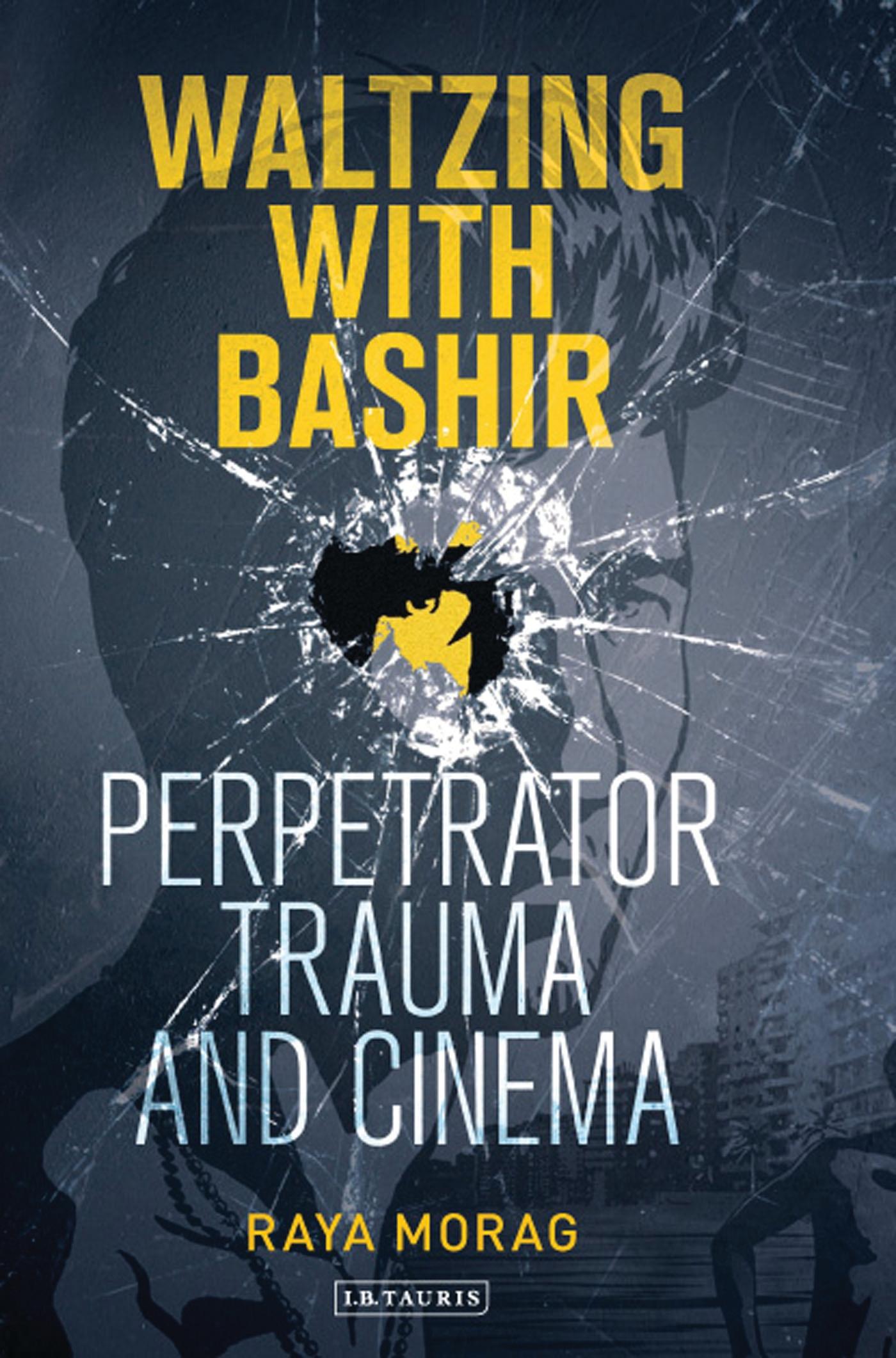
Waltzing with Bashir proposes a new paradigm for cinema trauma studies - the trauma of the perpetrator. Recognizing a current shift in interest from the trauma suffered by victims to that suffered by perpetrators, the book seeks to theorize this still under-studied field thus breaking the repression of this concept and phenomenon in psychoanalysis and in cinema literature. Taking as a point of departure the distinction between testimony given by the victim and confession made by the perpetrator, this pioneering work ventures to define and analyze perpetrator trauma in scholarly, representational, literary, and societal contexts. In contrast to the twentieth-century definition of the perpetrator based on modern wars and totalitarian regimes,Morag defines the perpetrator in the context of the twenty-first century's new wars and democratic regimes. The direct result of a drastic transformation in the very nature of war, made manifest by the lethal clash between soldier and civilian in a battlefield newly defined in bodily terms, the new trauma paradigm stages the trauma of the soldier turned perpetrator, thus offering a novel perspective on issues of responsibility and guilt.
Such theoretical insights demonstrate that the epistemology of the post-witness era requires breaking deep-seated psychological and psychiatric, as well as cultural and political, repression. Driven by the emergence of a new wave of Israeli documentary cinema, Waltzing with Bashir analyzes the Israeli film and literature produced in the aftermath of the second Intifada. As Ari Folman's Waltz with Bashir and other new wave films demonstrate, Israeli cinema, attached on one side to the legacy of the Holocaust and on the other to the Israeli Occupation, is a highly relevant case for probing the limits of both victim and perpetrator traumas, and for revisiting and recontextualizing the crucial moment in which the victim/perpetrator cultural symbiosis is dismantled.
Such theoretical insights demonstrate that the epistemology of the post-witness era requires breaking deep-seated psychological and psychiatric, as well as cultural and political, repression. Driven by the emergence of a new wave of Israeli documentary cinema, Waltzing with Bashir analyzes the Israeli film and literature produced in the aftermath of the second Intifada. As Ari Folman's Waltz with Bashir and other new wave films demonstrate, Israeli cinema, attached on one side to the legacy of the Holocaust and on the other to the Israeli Occupation, is a highly relevant case for probing the limits of both victim and perpetrator traumas, and for revisiting and recontextualizing the crucial moment in which the victim/perpetrator cultural symbiosis is dismantled.
Płać wygodnie kartą, Klarną, Apple Pay lub Google Pay. Nie jesteś zadowolony? Zawsze masz 14-dniową gwarancję zwrotu pieniędzy. Więcej przeczytasz w naszych warunkach. Masz pytania? Napisz do nas na hello@memmo.org.
Memmo ułatwia naukę – gdziekolwiek jesteś na świecie. U nas znajdziesz podręczniki i sprytne narzędzia do nauki w jednym miejscu: streszczenia, quizy, podcasty i fiszki. A do tego Ted, Twój kumpel do nauki, który odpowie na wszystko, co Cię nurtuje. Ponad 50 000 studentów już tu się uczy – stworzone, byś uczył się szybciej i mniej stresował.