
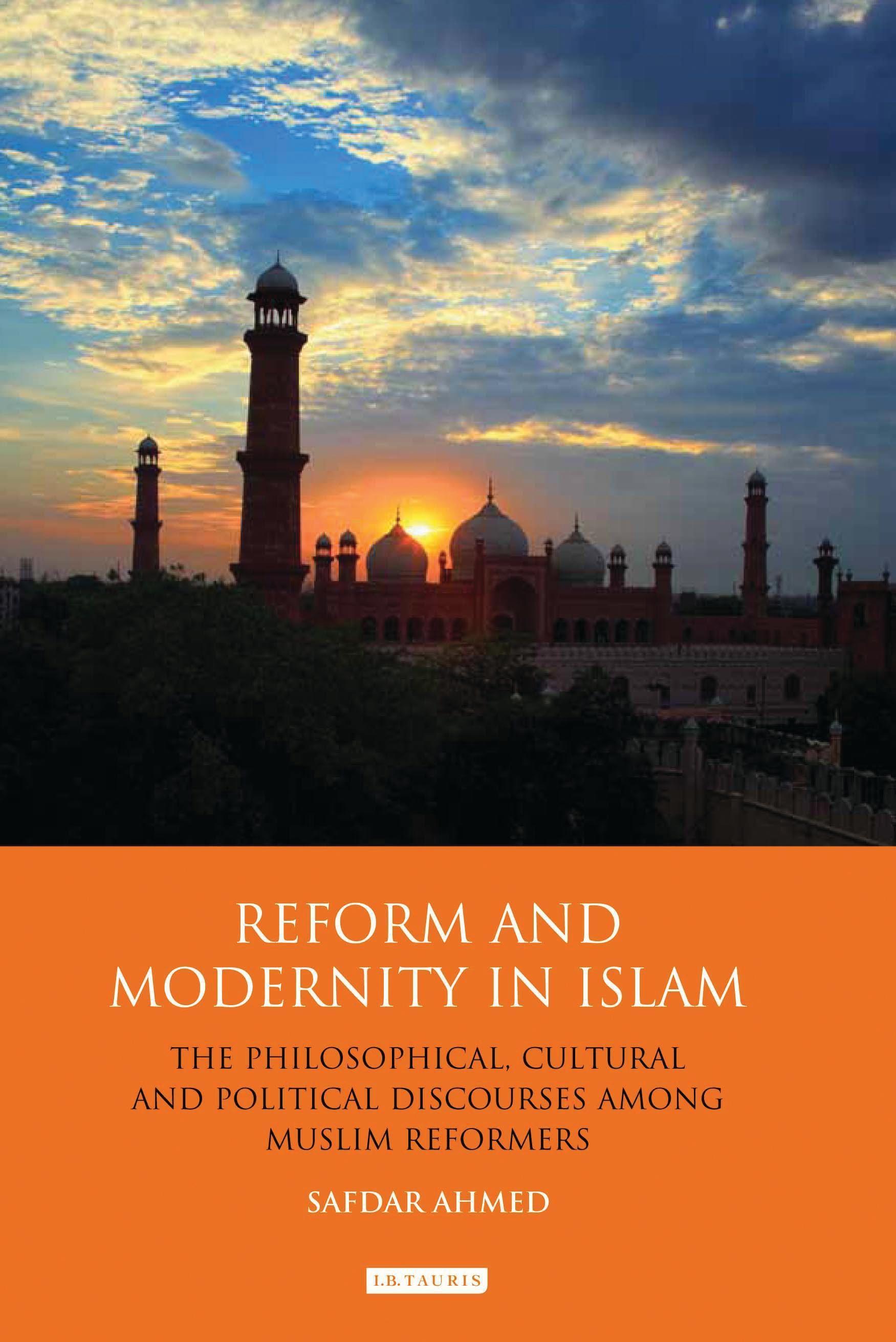
The debate over Islam and modernity tends to be approached from a Eurocentric perspective that presents Western norms as a template for progress - against which Islamic societies can be measured. This misses the historical development of Muslim reformist thought that actively engages with the world around it and seeks to reconfigure Islam within the diverse conditions of modernity. Safdar Ahmed paints a complex and nuanced picture that goes beyond the idea that Muslim reformers have either reproduced or reacted against Western ideas. Rather, Ahmed argues, they have reconstructed and appropriated these ideas, and so the thread of Western influence runs through modern Islamic thought on nationalism and sovereignty, femininity and gender. Ahmed uncovers new historiographical perspectives by critically examining the work of prominent intellectuals, such as Muhammad Abduh, Qasim Amin and Abdul A'la Maududi.
Płać wygodnie kartą, Klarną, Apple Pay lub Google Pay. Nie jesteś zadowolony? Zawsze masz 14-dniową gwarancję zwrotu pieniędzy. Więcej przeczytasz w naszych warunkach. Masz pytania? Napisz do nas na hello@memmo.org.
Memmo ułatwia naukę – gdziekolwiek jesteś na świecie. U nas znajdziesz podręczniki i sprytne narzędzia do nauki w jednym miejscu: streszczenia, quizy, podcasty i fiszki. A do tego Ted, Twój kumpel do nauki, który odpowie na wszystko, co Cię nurtuje. Ponad 50 000 studentów już tu się uczy – stworzone, byś uczył się szybciej i mniej stresował.