
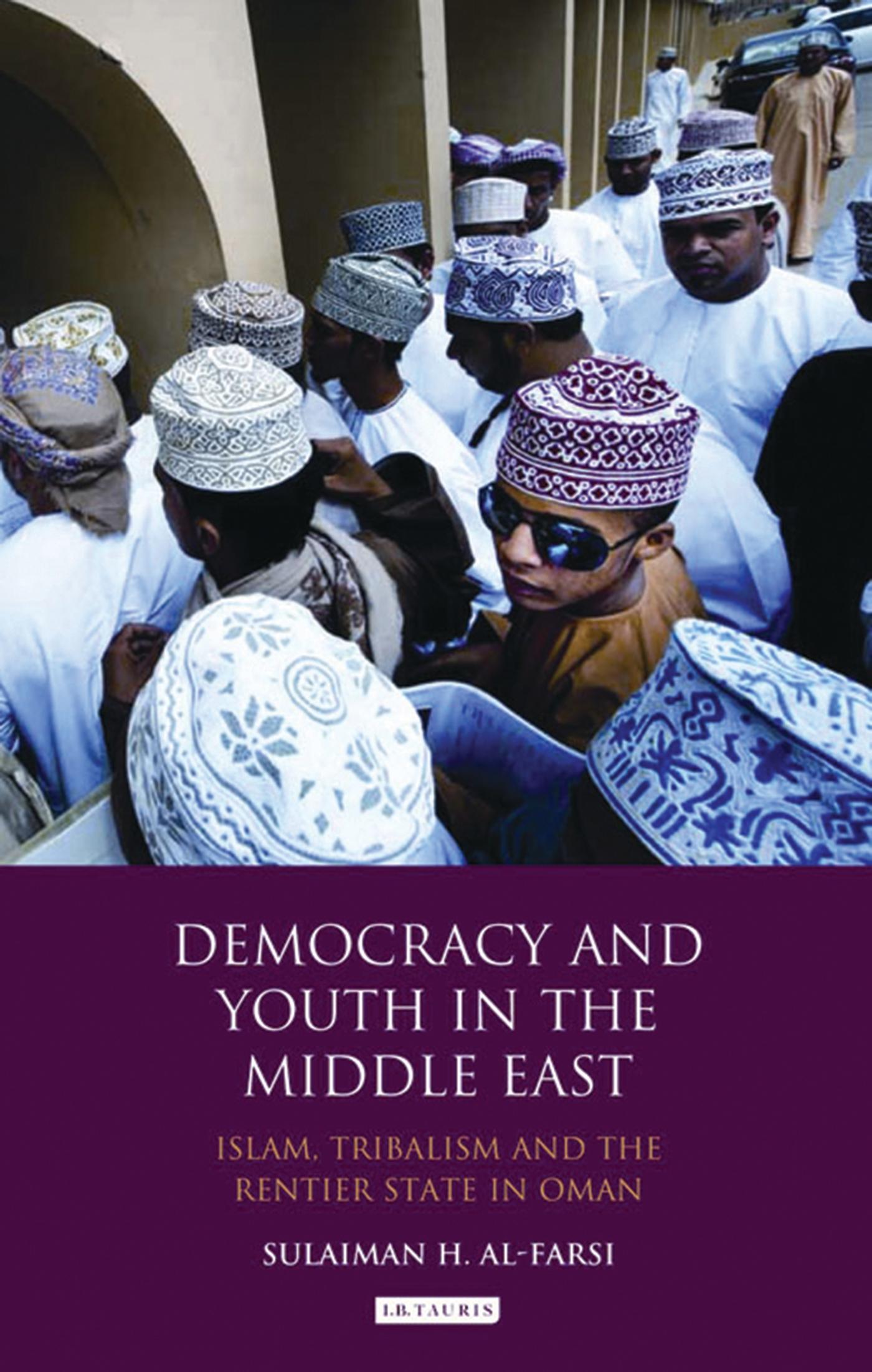
The leaders of the oil-rich rentier states of the Middle East, and in particular in the Gulf, have hitherto often predicated their legitimacy on a tacit social contract with their (much poorer) populations. This social contract consists of little or no direct taxation, with some sort of subsidised living. But the casualty of this tacit agreement is often political participation, an issue which has come to the forefront in the Middle East following the 'Arab Spring' of 2011. Here, Sulaiman Al-Farsi looks at the impact the rentier nature of the Gulf States has on political participation, focusing on the nexus between tribe, religion and a new generation of young, highly educated citizens that is present in Oman. Specifically exploring the concept of shura (consultation), and how nascent concepts of democracy in the practice of shura have impacted and shaped the process of democratisation, Al-Farsi's book is vital in the examination of the political discourse surrounding democratisation across one of the most strategically important, but little understood states in the Middle East.
Płać wygodnie kartą, Klarną, Apple Pay lub Google Pay. Nie jesteś zadowolony? Zawsze masz 14-dniową gwarancję zwrotu pieniędzy. Więcej przeczytasz w naszych warunkach. Masz pytania? Napisz do nas na hello@memmo.org.
Memmo ułatwia naukę – gdziekolwiek jesteś na świecie. U nas znajdziesz podręczniki i sprytne narzędzia do nauki w jednym miejscu: streszczenia, quizy, podcasty i fiszki. A do tego Ted, Twój kumpel do nauki, który odpowie na wszystko, co Cię nurtuje. Ponad 50 000 studentów już tu się uczy – stworzone, byś uczył się szybciej i mniej stresował.