
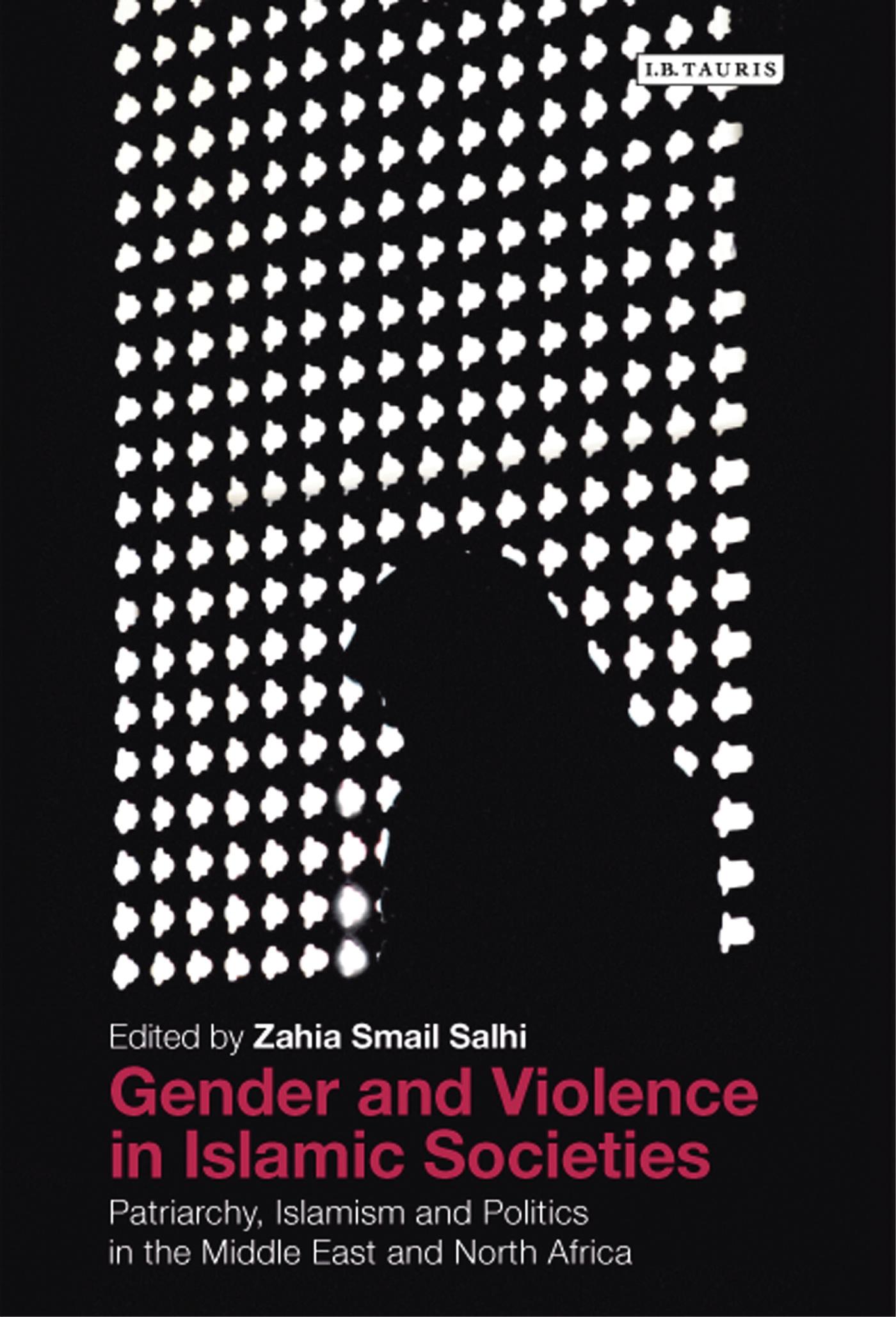
As a result of the uprisings that spread across the Middle East and North Africa in late 2010 and 2011, the issue of state public violence against both men and women dominated the headlines. But gender-based violence, in both its public and private forms, has for the most part remained unnoticed and is often ignored. The forms that this kind of violence can take are influenced by cultural norms and religious beliefs, as well as economic and political circumstances. In 'Gender and Violence in Islamic Societies', violence is perceived not only as physical harm, but includes various forms of violence directed at women because they are women. These include segregation in the workplace and limiting women's access to wealth, gender stereotyping in the media and education, verbal aggression and humiliation, control of women's finances and income, forced veiling, restricted access to education and health. Gender-based violence is thus analysed in its various forms and localities, encompassing both the public and private spheres: within the family, the general community,at work and in various state institutions.
Here, Zahia Smail Salhi brings together a wide range of examples of gender-based violence across the Middle East and North Africa, from discrimination in the workplace in Jordan to the physical abuse of underage domestic workers in Morocco, and from psychological and verbal violence against women in Tunisia and Algeria to the practice of female genital mutilation in Egypt. The evidence demonstrates that the violence, far from being of universal character across the region, is instead diverse, in both its intensity and in the processes of addressing such violence.
Here, Zahia Smail Salhi brings together a wide range of examples of gender-based violence across the Middle East and North Africa, from discrimination in the workplace in Jordan to the physical abuse of underage domestic workers in Morocco, and from psychological and verbal violence against women in Tunisia and Algeria to the practice of female genital mutilation in Egypt. The evidence demonstrates that the violence, far from being of universal character across the region, is instead diverse, in both its intensity and in the processes of addressing such violence.
Płać wygodnie kartą, Klarną, Apple Pay lub Google Pay. Nie jesteś zadowolony? Zawsze masz 14-dniową gwarancję zwrotu pieniędzy. Więcej przeczytasz w naszych warunkach. Masz pytania? Napisz do nas na hello@memmo.org.
Memmo ułatwia naukę – gdziekolwiek jesteś na świecie. U nas znajdziesz podręczniki i sprytne narzędzia do nauki w jednym miejscu: streszczenia, quizy, podcasty i fiszki. A do tego Ted, Twój kumpel do nauki, który odpowie na wszystko, co Cię nurtuje. Ponad 50 000 studentów już tu się uczy – stworzone, byś uczył się szybciej i mniej stresował.