
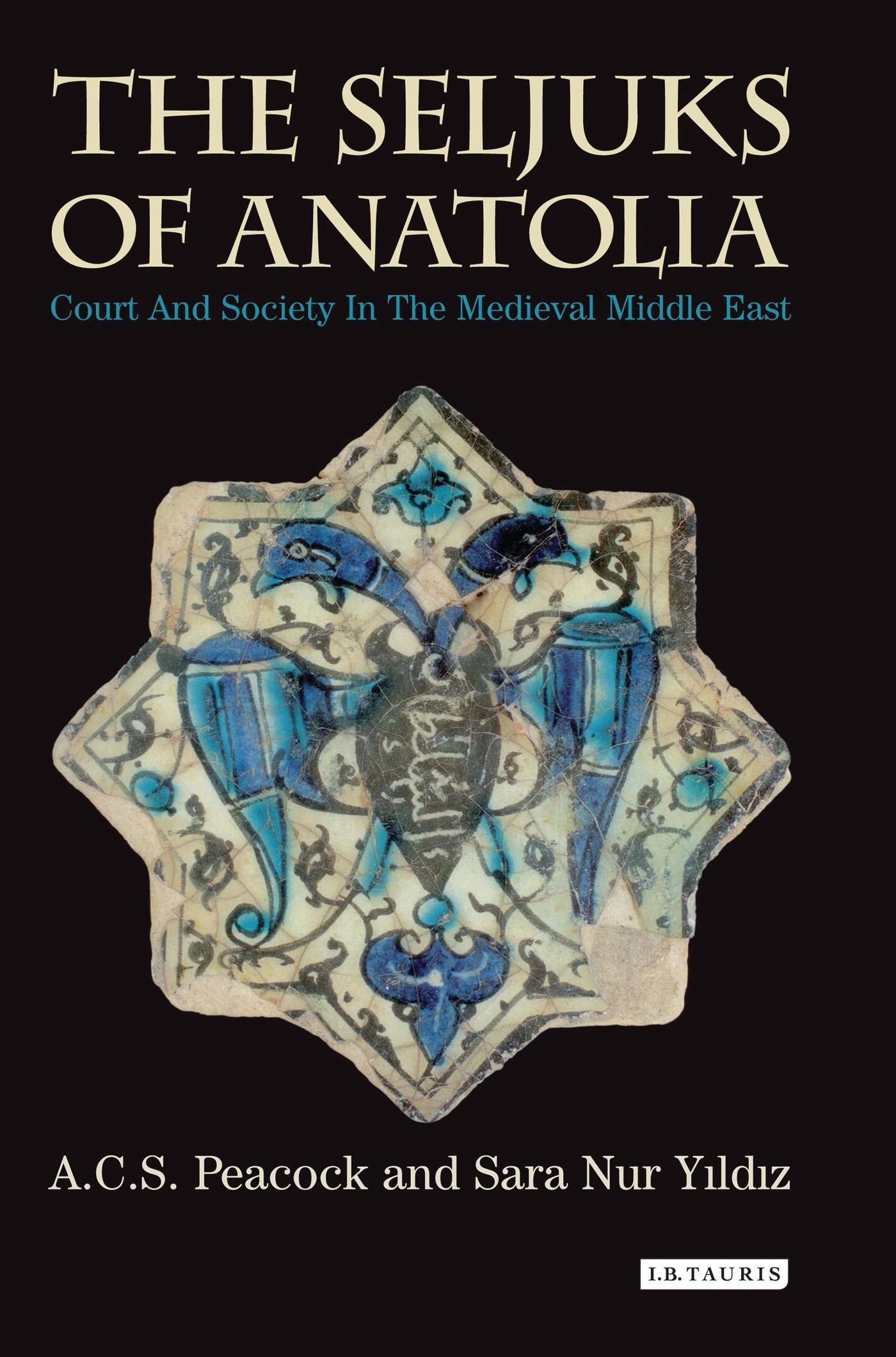
One of the most powerful dynasties to rule in the medieval Middle East, the Seljuks played a critical role in the development of Anatolia's multi-ethnic, multi-confessional identity. Under Seljuk rule (c. 1081-1308) the formerly Christian Byzantine territories of Anatolia were transformed by the development of Muslim culture, society and politics, and it was then – well before the arrival of the Ottomans – that a Turkish population became firmly established in these lands. But these developments are little understood, and the Seljuk dynasty remains little studied. Yet the Seljuks of Anatolia were one of the most influential dynasties of the thirteenth-century Middle East, controlling some of the major trade routes of the period, playing a crucial role in linking East and West of the medieval world.
Here, Andrew Peacock and Sara Nur Yildiz explore the history of Anatolia under Seljuk rule in the twelfth and thirteenth centuries, examining developments in culture, politics, religion and society and shedding new light on the influence of the dynasty within Anatolia and throughout Western Asia. The Seljuks of Anatolia examines the crucial aspect of the Seljuk dynastic identity, and how this related to their royal households, and to the material and literary arts they sought to influence and promote through patronage. It also demonstrates how the Seljuks played a critical role in the development of Islamic culture in Anatolia, with strong influences from Iran, Syria and further afield. By taking this critical role into account, this book offers an analysis of the religious transformations that occurred during this period, from the Byzantine and Christian identities that prevailed amongst the Seljuks to the Sufis that held key positions in the Seljuk court.
With its lively discussion of Seljuk identity, politics and culture, The Seljuks of Anatolia will be of great interest to researchers with interests in Byzantium as well as the material culture and society of the medieval Islamic world.
Here, Andrew Peacock and Sara Nur Yildiz explore the history of Anatolia under Seljuk rule in the twelfth and thirteenth centuries, examining developments in culture, politics, religion and society and shedding new light on the influence of the dynasty within Anatolia and throughout Western Asia. The Seljuks of Anatolia examines the crucial aspect of the Seljuk dynastic identity, and how this related to their royal households, and to the material and literary arts they sought to influence and promote through patronage. It also demonstrates how the Seljuks played a critical role in the development of Islamic culture in Anatolia, with strong influences from Iran, Syria and further afield. By taking this critical role into account, this book offers an analysis of the religious transformations that occurred during this period, from the Byzantine and Christian identities that prevailed amongst the Seljuks to the Sufis that held key positions in the Seljuk court.
With its lively discussion of Seljuk identity, politics and culture, The Seljuks of Anatolia will be of great interest to researchers with interests in Byzantium as well as the material culture and society of the medieval Islamic world.
Płać wygodnie kartą, Klarną, Apple Pay lub Google Pay. Nie jesteś zadowolony? Zawsze masz 14-dniową gwarancję zwrotu pieniędzy. Więcej przeczytasz w naszych warunkach. Masz pytania? Napisz do nas na hello@memmo.org.
Memmo ułatwia naukę – gdziekolwiek jesteś na świecie. U nas znajdziesz podręczniki i sprytne narzędzia do nauki w jednym miejscu: streszczenia, quizy, podcasty i fiszki. A do tego Ted, Twój kumpel do nauki, który odpowie na wszystko, co Cię nurtuje. Ponad 50 000 studentów już tu się uczy – stworzone, byś uczył się szybciej i mniej stresował.