
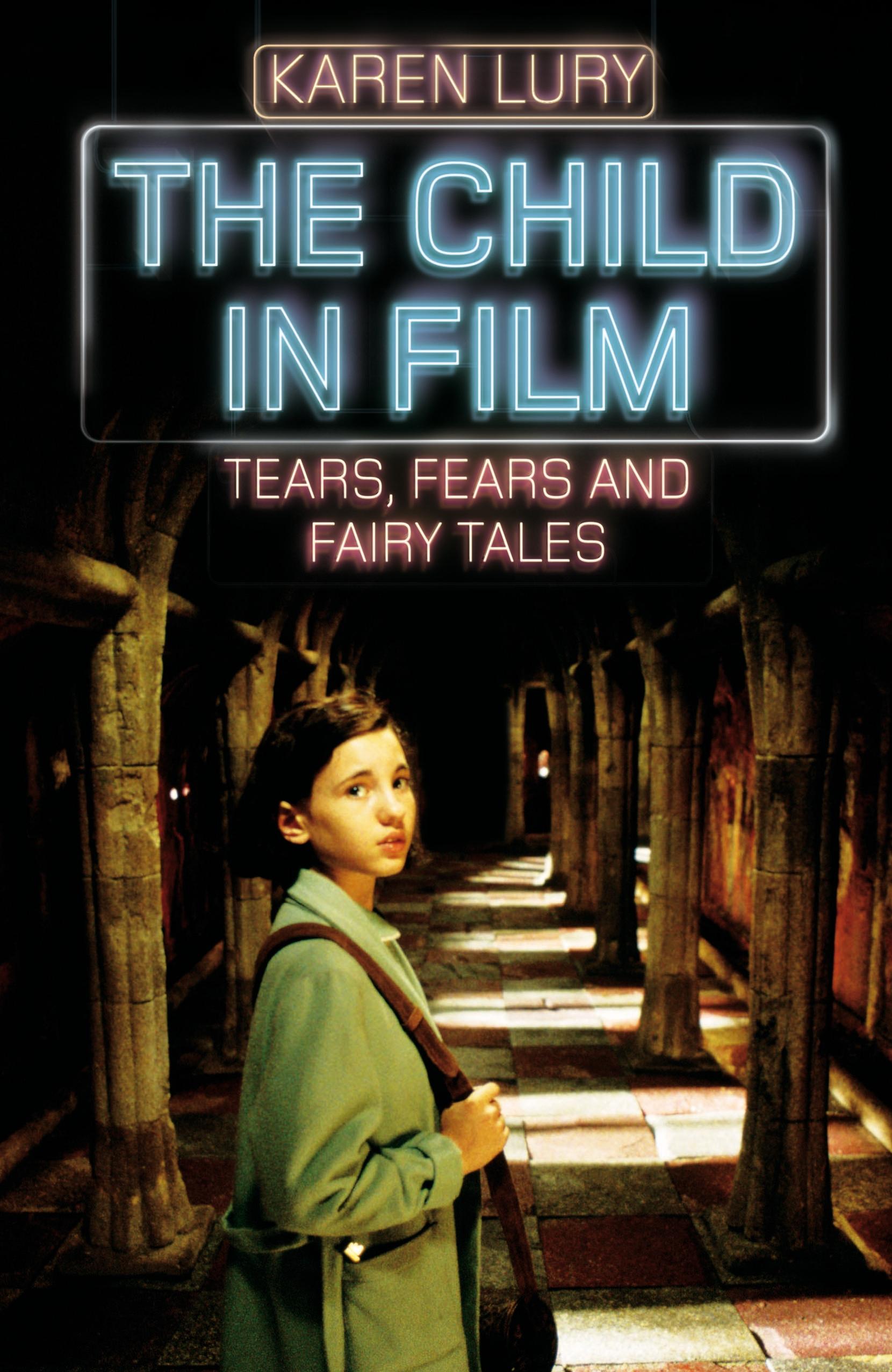
Ghastly and ghostly children, 'dirty little white girls', the child as witness and as victim, have always played an important part in the history of cinema, as have child performers themselves. In exploring the disruptive power of the child in films made for an adult audience across popular films, including "Taxi Driver" and Japanese horror, and 'art-house' productions like "Mirror" and "Pan's Labyrinth", Karen Lury investigates why the figure of the child has such a significant impact on the visual aspects and storytelling potential of cinema.Lury's main argument is that the child as a liminal yet powerful agent has allowed filmmakers to play adventurously with cinema's formal conventions - with far-reaching consequences. In particular, she reveals how a child's relationship to time allows it to disturb and question conventional master-narratives. She explores too the investment in the child actor and expression of child sexuality, as well as how confining and conservative existing assumptions can be in terms of commonly held beliefs as to who children 'really are'.
Płać wygodnie kartą, Klarną, Apple Pay lub Google Pay. Nie jesteś zadowolony? Zawsze masz 14-dniową gwarancję zwrotu pieniędzy. Więcej przeczytasz w naszych warunkach. Masz pytania? Napisz do nas na hello@memmo.org.
Memmo ułatwia naukę – gdziekolwiek jesteś na świecie. U nas znajdziesz podręczniki i sprytne narzędzia do nauki w jednym miejscu: streszczenia, quizy, podcasty i fiszki. A do tego Ted, Twój kumpel do nauki, który odpowie na wszystko, co Cię nurtuje. Ponad 50 000 studentów już tu się uczy – stworzone, byś uczył się szybciej i mniej stresował.