
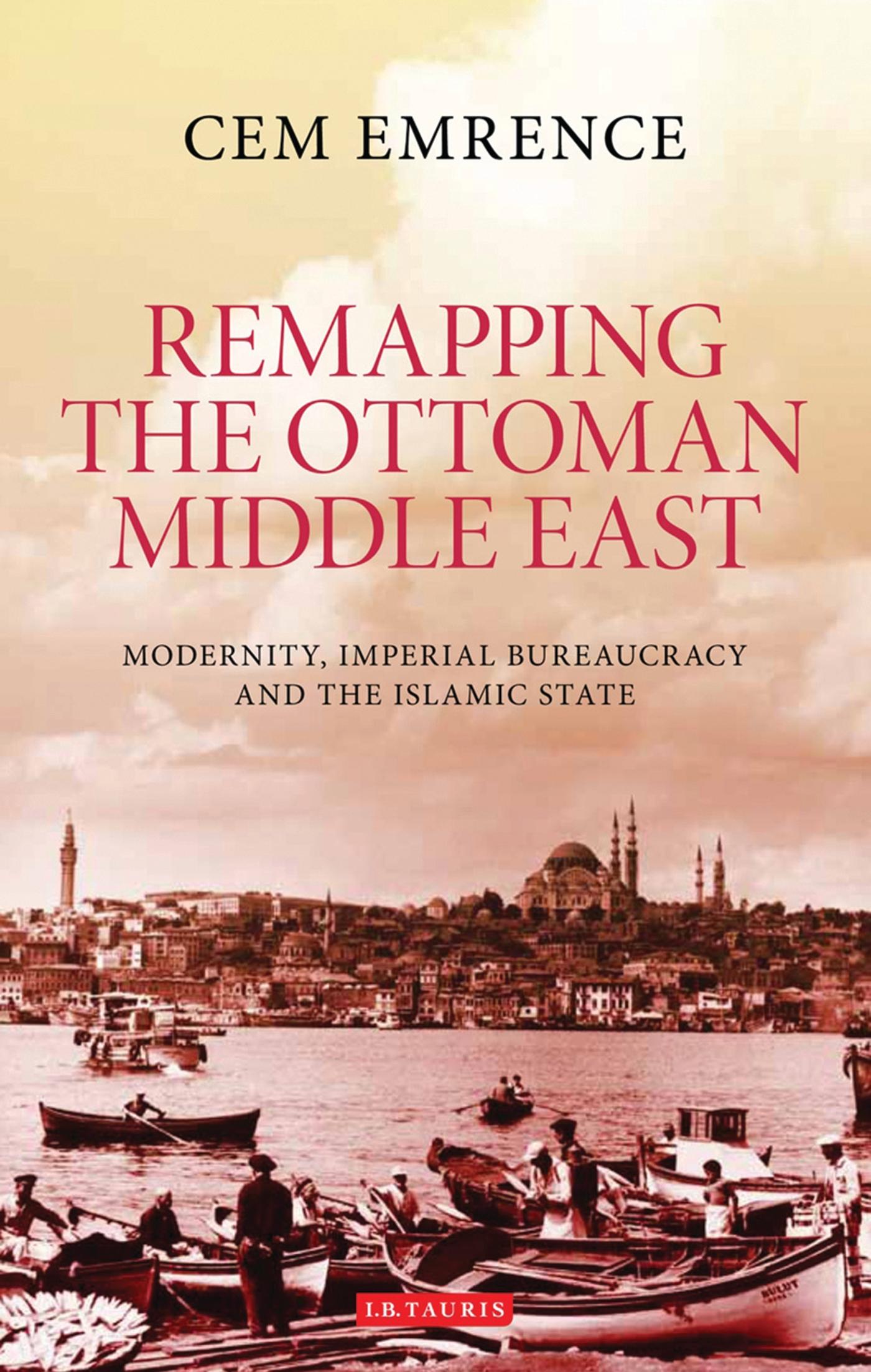
As a result of the formation of the modern Turkish state, nationalist narratives of the Ottoman Empire's collapse are commonplace. Remapping the Ottoman Middle East, on the other hand, examines alternative and disparate routes to modernity during the nineteenth century. Pursuing a comparison of different regions of the empire, this book demonstrates that the Ottoman imperial universe was shaped by three distinct and simultaneous narratives: market relations in its coastal areas; imperial bureaucracy in the cities of central Anatolia, Syria and Palestine; and Islamic trust networks in the frontier regions of the Arabian Peninsula. In weaving together these localized developments, Cem Emrence departs from narratives of state centralism and suggests that a comprehensive way of understanding the late Ottoman world and its legacy should start from exploring regionally-constituted and network-based historical trajectories. Introducing a persuasive new model for understanding the late Ottoman world, this book will be essential reading for historians of the Ottoman Empire.
Płać wygodnie kartą, Klarną, Apple Pay lub Google Pay. Nie jesteś zadowolony? Zawsze masz 14-dniową gwarancję zwrotu pieniędzy. Więcej przeczytasz w naszych warunkach. Masz pytania? Napisz do nas na hello@memmo.org.
Memmo ułatwia naukę – gdziekolwiek jesteś na świecie. U nas znajdziesz podręczniki i sprytne narzędzia do nauki w jednym miejscu: streszczenia, quizy, podcasty i fiszki. A do tego Ted, Twój kumpel do nauki, który odpowie na wszystko, co Cię nurtuje. Ponad 50 000 studentów już tu się uczy – stworzone, byś uczył się szybciej i mniej stresował.