
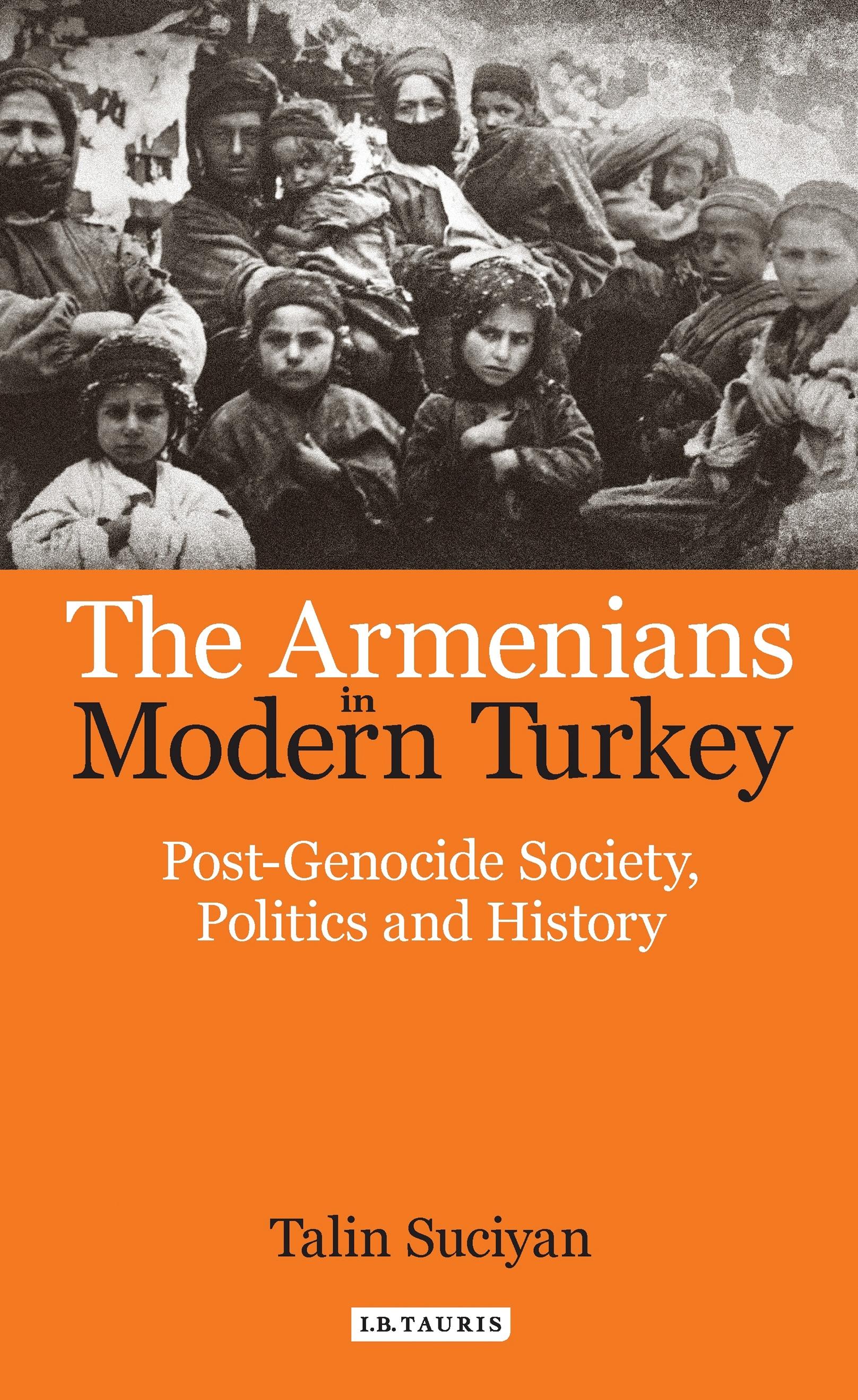
After the Armenian genocide of 1915, in which over a million Armenians died, thousands of Armenian-Turks lived and worked in the Turkish state alongside those who had persecuted their communities. Living under heavy censorship, and in an atmosphere of official denial that the deaths were a genocide, how did Turkish Armenians record their own history? Here, Talin Suciyan explores the life experienced by Turkey's Armenian communities as Turkey's great modernisation project of the 20th century gathered pace.Suciyan achieves this through analysis of remarkable new primary
material: Turkish state archives, minutes of the Armenian National Assembly, a kaleidoscopic series of personal diaries, memoirs and oral histories, various Armenian periodicals such as newspapers, yearbooks and magazines, as well as statutes and laws which led to the continuing persecution of Armenians. The first history of its kind, The Armenians in Modern Turkey is a fresh contribution to the history of modern Turkey and the Armenian experience there
material: Turkish state archives, minutes of the Armenian National Assembly, a kaleidoscopic series of personal diaries, memoirs and oral histories, various Armenian periodicals such as newspapers, yearbooks and magazines, as well as statutes and laws which led to the continuing persecution of Armenians. The first history of its kind, The Armenians in Modern Turkey is a fresh contribution to the history of modern Turkey and the Armenian experience there
Płać wygodnie kartą, Klarną, Apple Pay lub Google Pay. Nie jesteś zadowolony? Zawsze masz 14-dniową gwarancję zwrotu pieniędzy. Więcej przeczytasz w naszych warunkach. Masz pytania? Napisz do nas na hello@memmo.org.
Memmo ułatwia naukę – gdziekolwiek jesteś na świecie. U nas znajdziesz podręczniki i sprytne narzędzia do nauki w jednym miejscu: streszczenia, quizy, podcasty i fiszki. A do tego Ted, Twój kumpel do nauki, który odpowie na wszystko, co Cię nurtuje. Ponad 50 000 studentów już tu się uczy – stworzone, byś uczył się szybciej i mniej stresował.