
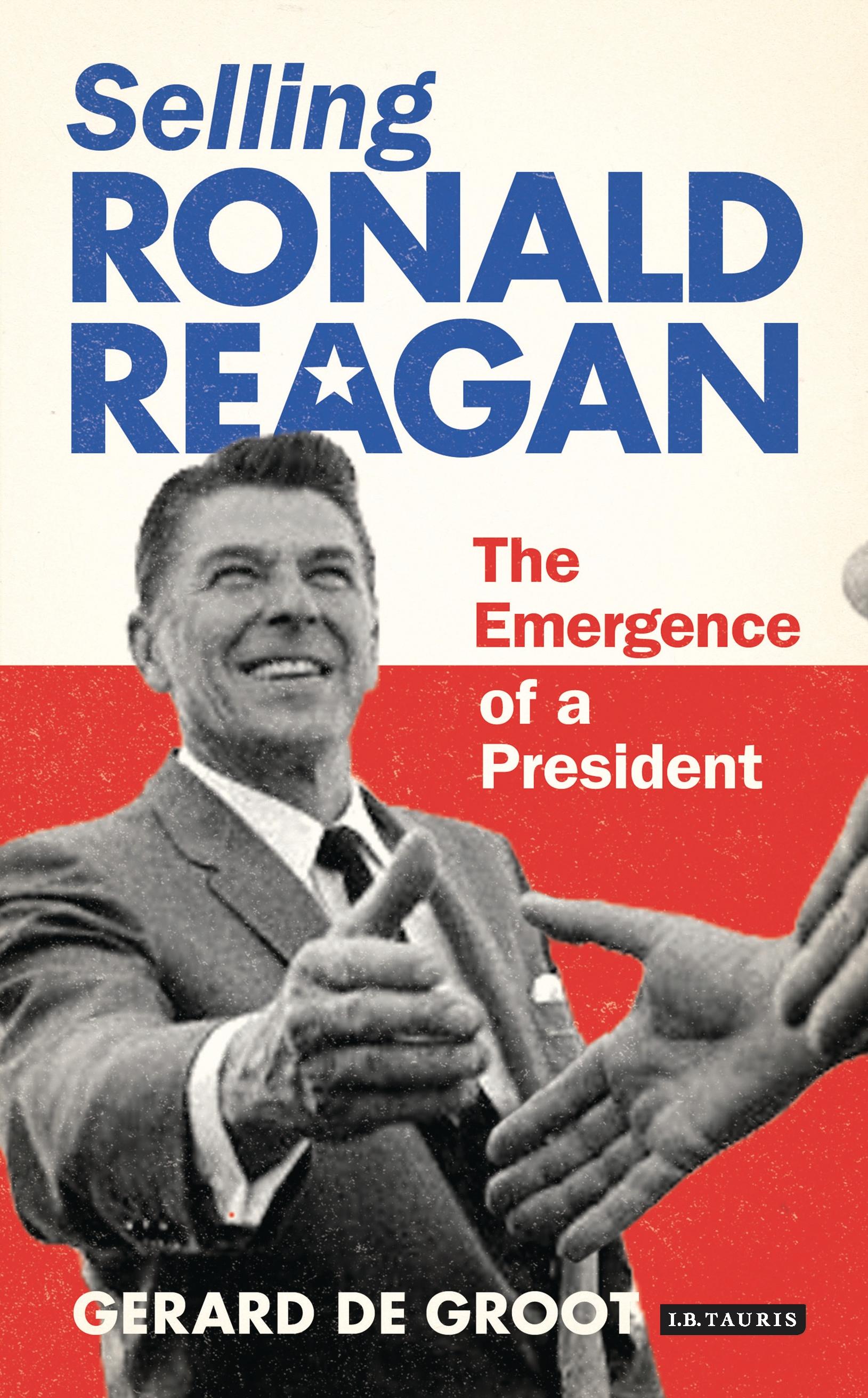
Before 1966, the idea of Reagan in politics provoked widespread scorn. To most people, he seemed a has-been actor, a right-wing extremist and a 'dunce'. Journalists therefore ridiculed his aspirations to be governor of California. No one, however, doubted his incredible ability to communicate with a crowd. In order to succeed in his campaign, Reagan had to be packaged as an outsider - an antidote to politics as usual. A highly sophisticated team of marketers and ad-men turned the scary right-winger into a harmless moderate who could attract supporters from across the political spectrum. Researchers meanwhile provided the coaching that allowed Reagan to seem well-informed - all of which led to Reagan winning the California governorship by a landslide. Gerard DeGroot here explores how, in the decade of consumerism, Reagan was marketed as a product. While there is no doubting his natural abilities as a campaigner, Reagan won in 1966 because his team of advisers understood how to sell their candidate, and he, wisely, allowed himself to be sold.
Selling Ronald Reagan tells the story of Reagan's first election, when the nature of campaigning was forever altered and a titan of modern American history emerged.
Selling Ronald Reagan tells the story of Reagan's first election, when the nature of campaigning was forever altered and a titan of modern American history emerged.
Płać wygodnie kartą, Klarną, Apple Pay lub Google Pay. Nie jesteś zadowolony? Zawsze masz 14-dniową gwarancję zwrotu pieniędzy. Więcej przeczytasz w naszych warunkach. Masz pytania? Napisz do nas na hello@memmo.org.
Memmo ułatwia naukę – gdziekolwiek jesteś na świecie. U nas znajdziesz podręczniki i sprytne narzędzia do nauki w jednym miejscu: streszczenia, quizy, podcasty i fiszki. A do tego Ted, Twój kumpel do nauki, który odpowie na wszystko, co Cię nurtuje. Ponad 50 000 studentów już tu się uczy – stworzone, byś uczył się szybciej i mniej stresował.