
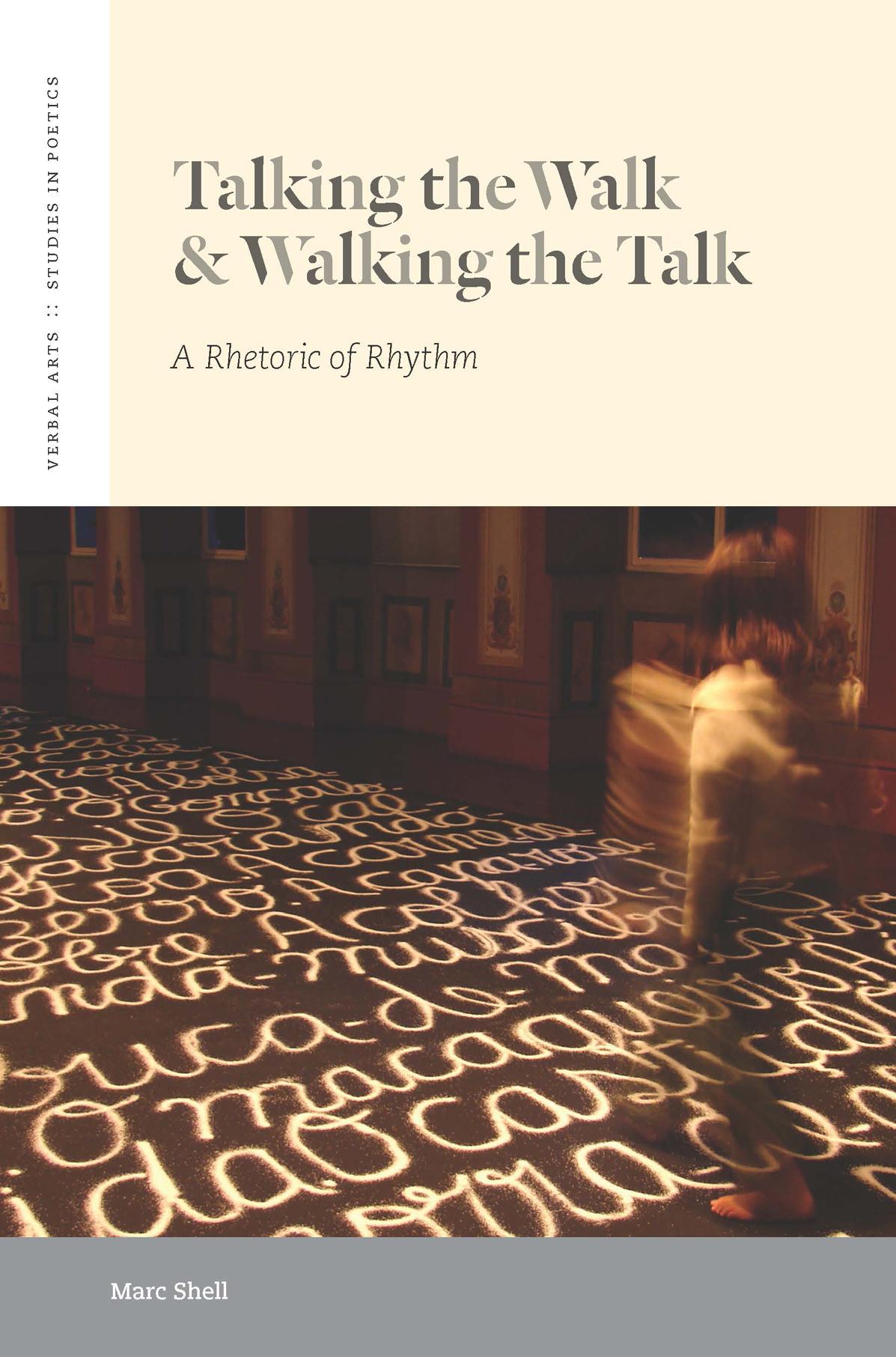
This book argues that we should regard walking and talking in a single rhythmic vision. In doing so, it contributes to the theory of prosody, our understanding of respiration and looking, and, in sum, to the particular links, across the board, between the human characteristics of bipedal walking and meaningful talk.
The author first introduces the philosophical, neurological, anthropological, and aesthetic aspects of the subject in historical perspective, then focuses on rhetoric and introduces a tension between the small and large issues of rhythm. He thereupon turns his attention to the roles of breathing in poetry—as a life-and-death matter, with attention to beats and walking poems. This opens onto technical concepts from the classical traditions of rhetoric and philology.
Turning to the relationship between prosody and motion, he considers both animals and human beings as both ostensibly able-bodied creatures and presumptively disabled ones. Finally, he looks at dancing and writing as aspects of walking and talking, with special attention to motion in Arabic and Chinese calligraphy.
The final chapters of the book provide a series of interrelated representative case studies.
Płać wygodnie kartą, Klarną, Apple Pay lub Google Pay. Nie jesteś zadowolony? Zawsze masz 14-dniową gwarancję zwrotu pieniędzy. Więcej przeczytasz w naszych warunkach. Masz pytania? Napisz do nas na hello@memmo.org.
Memmo ułatwia naukę – gdziekolwiek jesteś na świecie. U nas znajdziesz podręczniki i sprytne narzędzia do nauki w jednym miejscu: streszczenia, quizy, podcasty i fiszki. A do tego Ted, Twój kumpel do nauki, który odpowie na wszystko, co Cię nurtuje. Ponad 50 000 studentów już tu się uczy – stworzone, byś uczył się szybciej i mniej stresował.