
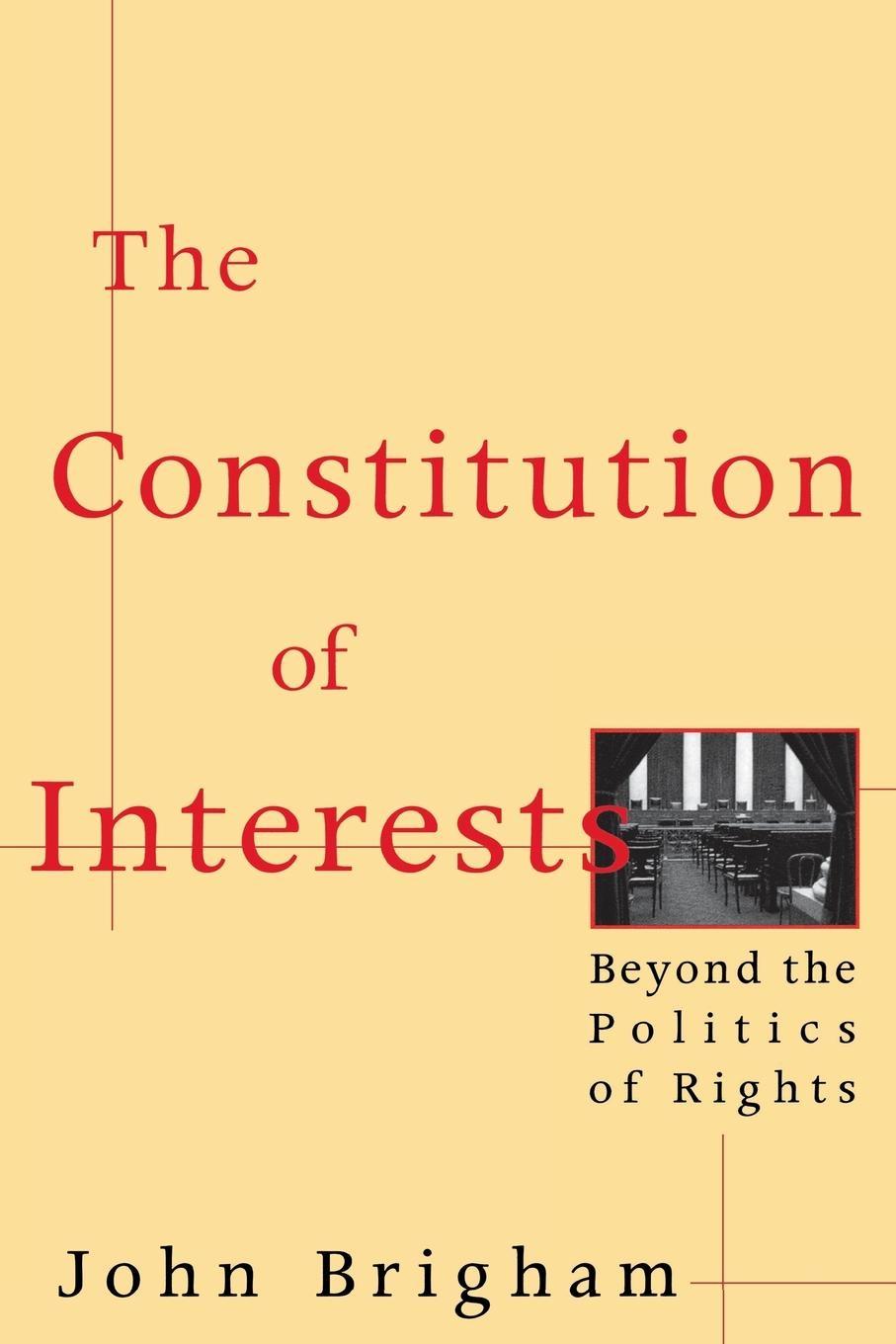
Many of America's most important social and political movements--abolition, women's suffragette, civil rights, women's liberation, gay and lesbian rights--have organized in the shadow of the law. All are based in their theoretical opposition to the law. Yet at the same time, they are dependent on the laws that prohibit them. Law is thus formed as much through the dynamic tensions that govern how these laws are received as through their official decree.
Legal forms such as contracts, property, and rights also constitute social and political life because they structure our world. John Brigham here focuses on four ideological movements and their strategies, among them the struggle over the closing of gay bathhouses in the early years of the AIDS crisis and the radical feminist use of rage and radical consciousness in anti- pornography campaigns. The effect of law on politics, Brigham convincingly reveals, is pervasive precisely because political life finds its expression in a surprising variety of legal forms.
Płać wygodnie kartą, Klarną, Apple Pay lub Google Pay. Nie jesteś zadowolony? Zawsze masz 14-dniową gwarancję zwrotu pieniędzy. Więcej przeczytasz w naszych warunkach. Masz pytania? Napisz do nas na hello@memmo.org.
Memmo ułatwia naukę – gdziekolwiek jesteś na świecie. U nas znajdziesz podręczniki i sprytne narzędzia do nauki w jednym miejscu: streszczenia, quizy, podcasty i fiszki. A do tego Ted, Twój kumpel do nauki, który odpowie na wszystko, co Cię nurtuje. Ponad 50 000 studentów już tu się uczy – stworzone, byś uczył się szybciej i mniej stresował.