
Winner of the 2018 Media Ecology Association's Erving Goffman Award for Outstanding Scholarship in the Ecology of Social Interaction
Winner of the Eastern Communication Association's Everett Lee Hunt Award
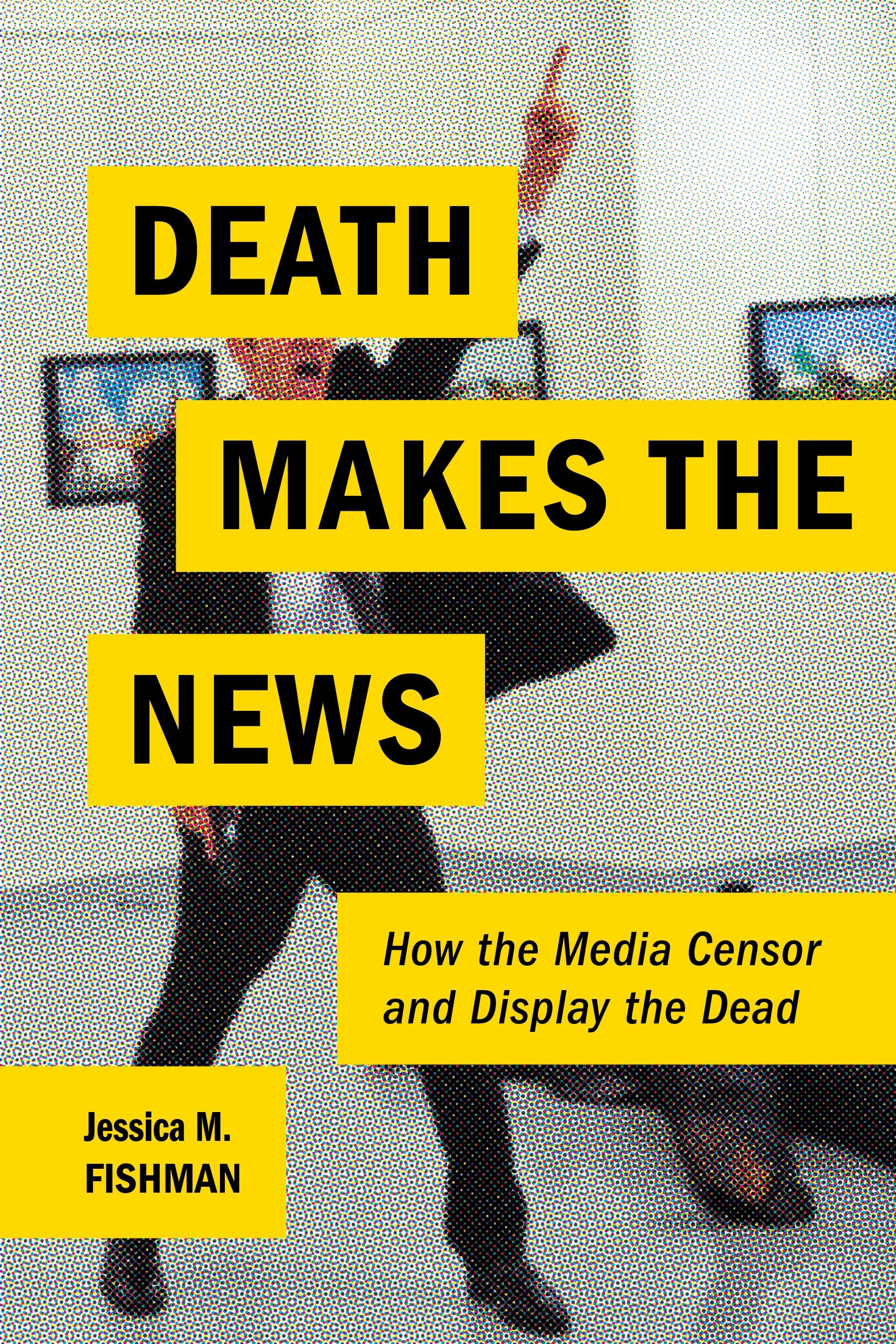
A behind-the-scenes account of how death is presented in the media
Death is considered one of the most newsworthy events, but words do not tell the whole story. Pictures are also at the epicenter of journalism, and when photographers and editors illustrate fatalities, it often raises questions about how they distinguish between a “fit” and “unfit” image of death.
Death Makes the News is the story of this controversial news practice: picturing the dead. Jessica Fishman uncovers the surprising editorial and political forces that structure how the news and media cover death. The patterns are striking, overturning long-held assumptions about which deaths are newsworthy and raising fundamental questions about the role that news images play in our society.
In a look behind the curtain of newsrooms, Fishman observes editors and photojournalists from different types of organizations as they deliberate over which images of death make the cut, and why. She also investigates over 30 years of photojournalism in the tabloid and patrician press to establish when the dead are shown and whose dead body is most newsworthy, illustrating her findings with high-profile news events, including recent plane crashes, earthquakes, hurricanes, homicides, political unrest, and war-time attacks.
Death Makes the News reveals that much of what we think we know about the news is wrong: while the patrician press claims that they do not show dead bodies, they are actually more likely than the tabloid press to show them—even though the tabloids actually claim to have no qualms showing these bodies. Dead foreigners are more likely to be shown than American bodies. At the same time, there are other unexpected but vivid patterns that offer insight into persistent editorial forces that routinely structure news coverage of death.
An original view on the depiction of dead bodies in the media, Death Makes the News opens up new ways of thinking about how death is portrayed.
Płać wygodnie kartą, Klarną, Apple Pay lub Google Pay. Nie jesteś zadowolony? Zawsze masz 14-dniową gwarancję zwrotu pieniędzy. Więcej przeczytasz w naszych warunkach. Masz pytania? Napisz do nas na hello@memmo.org.
Memmo ułatwia naukę – gdziekolwiek jesteś na świecie. U nas znajdziesz podręczniki i sprytne narzędzia do nauki w jednym miejscu: streszczenia, quizy, podcasty i fiszki. A do tego Ted, Twój kumpel do nauki, który odpowie na wszystko, co Cię nurtuje. Ponad 50 000 studentów już tu się uczy – stworzone, byś uczył się szybciej i mniej stresował.