
The first transnational comparative study of legal party capability theory
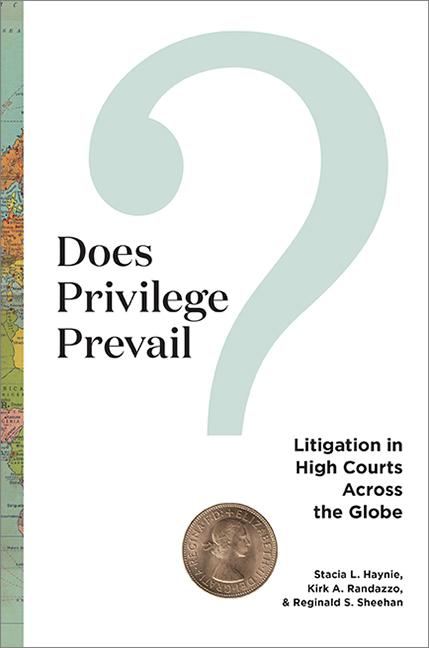
Justice is supposed to be blind. Cynics will say they know better. But what do the facts say? This groundbreaking study provides objective, data-driven answers to long-standing questions about winners and losers in courtrooms across the world. Does the party with the greater resources, such as money and influence, always prevail—and if so, why? Does Privilege Prevail? is the first book to evaluate these questions using a multi-country approach and, in doing so, assess what legal professionals and political scientists call party capability theory.
Stacia Haynie, Kirk Randazzo, and Reginald Sheehan analyze over fifteen thousand litigation outcomes of the high courts of six countries—Australia, Canada, India, the Philippines, South Africa, and the United Kingdom—from 1970 to 2000. This unprecedented trove of data reveals that while the “haves” of society do undoubtedly enjoy certain advantages in the judicial system, a more complex explanation for legal outcomes is required than party capability theory provides—especially when it comes to assessing the role of attorneys and their legal teams or the components of the docket where judges can provide avenues for the “have nots” to succeed.
Justice is supposed to be blind. Cynics will say they know better. But what do the facts say? This groundbreaking study provides objective, data-driven answers to long-standing questions about winners and losers in courtrooms across the world. Does the party with the greater resources, such as money and influence, always prevail—and if so, why? Does Privilege Prevail? is the first book to evaluate these questions using a multi-country approach and, in doing so, assess what legal professionals and political scientists call party capability theory.
Stacia Haynie, Kirk Randazzo, and Reginald Sheehan analyze over fifteen thousand litigation outcomes of the high courts of six countries—Australia, Canada, India, the Philippines, South Africa, and the United Kingdom—from 1970 to 2000. This unprecedented trove of data reveals that while the “haves” of society do undoubtedly enjoy certain advantages in the judicial system, a more complex explanation for legal outcomes is required than party capability theory provides—especially when it comes to assessing the role of attorneys and their legal teams or the components of the docket where judges can provide avenues for the “have nots” to succeed.
Płać wygodnie kartą, Klarną, Apple Pay lub Google Pay. Nie jesteś zadowolony? Zawsze masz 14-dniową gwarancję zwrotu pieniędzy. Więcej przeczytasz w naszych warunkach. Masz pytania? Napisz do nas na hello@memmo.org.
Memmo ułatwia naukę – gdziekolwiek jesteś na świecie. U nas znajdziesz podręczniki i sprytne narzędzia do nauki w jednym miejscu: streszczenia, quizy, podcasty i fiszki. A do tego Ted, Twój kumpel do nauki, który odpowie na wszystko, co Cię nurtuje. Ponad 50 000 studentów już tu się uczy – stworzone, byś uczył się szybciej i mniej stresował.
Może Ci się spodobać
Kup książkę0