
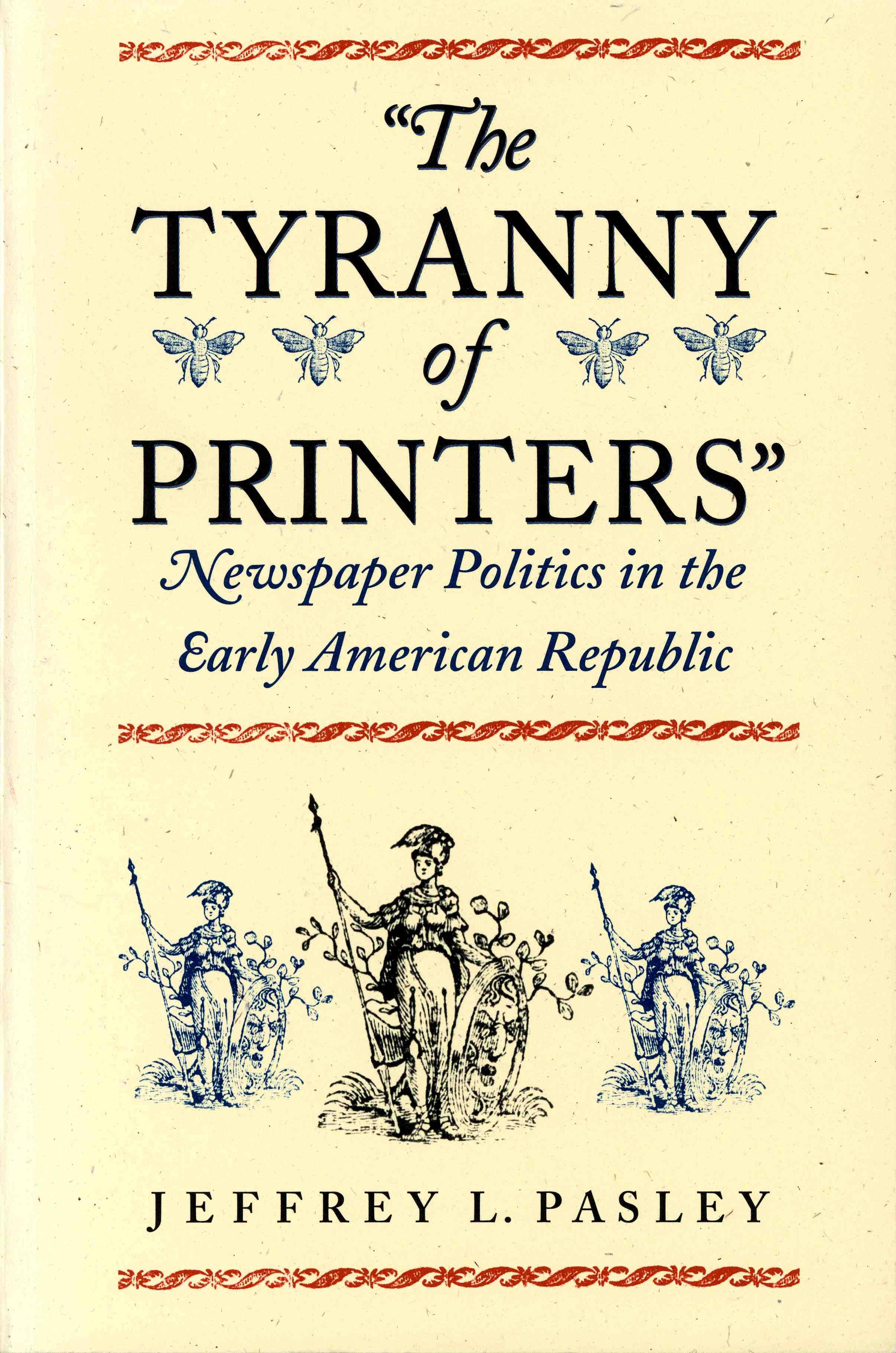
Although frequently attacked for their partisanship and undue political influence, the American media of today are objective and relatively ineffectual compared to their counterparts of two hundred years ago. From the late eighteenth to the late nineteenth century, newspapers were the republic's central political institutions, working components of the party system rather than commentators on it.
The Tyranny of Printers narrates the rise of this newspaper-based politics, in which editors became the chief party spokesmen and newspaper offices often served as local party headquarters. Beginning when Thomas Jefferson enlisted a Philadelphia editor to carry out his battle with Alexander Hamilton for the soul of the new republic (and got caught trying to cover it up), the centrality of newspapers in political life gained momentum after Jefferson's victory in 1800, which was widely credited to a superior network of papers. Jeffrey L. Pasley tells the rich story of this political culture and its culmination in Jacksonian democracy, enlivening his narrative with accounts of the colorful but often tragic careers of individual editors.
Płać wygodnie kartą, Klarną, Apple Pay lub Google Pay. Nie jesteś zadowolony? Zawsze masz 14-dniową gwarancję zwrotu pieniędzy. Więcej przeczytasz w naszych warunkach. Masz pytania? Napisz do nas na hello@memmo.org.
Memmo ułatwia naukę – gdziekolwiek jesteś na świecie. U nas znajdziesz podręczniki i sprytne narzędzia do nauki w jednym miejscu: streszczenia, quizy, podcasty i fiszki. A do tego Ted, Twój kumpel do nauki, który odpowie na wszystko, co Cię nurtuje. Ponad 50 000 studentów już tu się uczy – stworzone, byś uczył się szybciej i mniej stresował.