
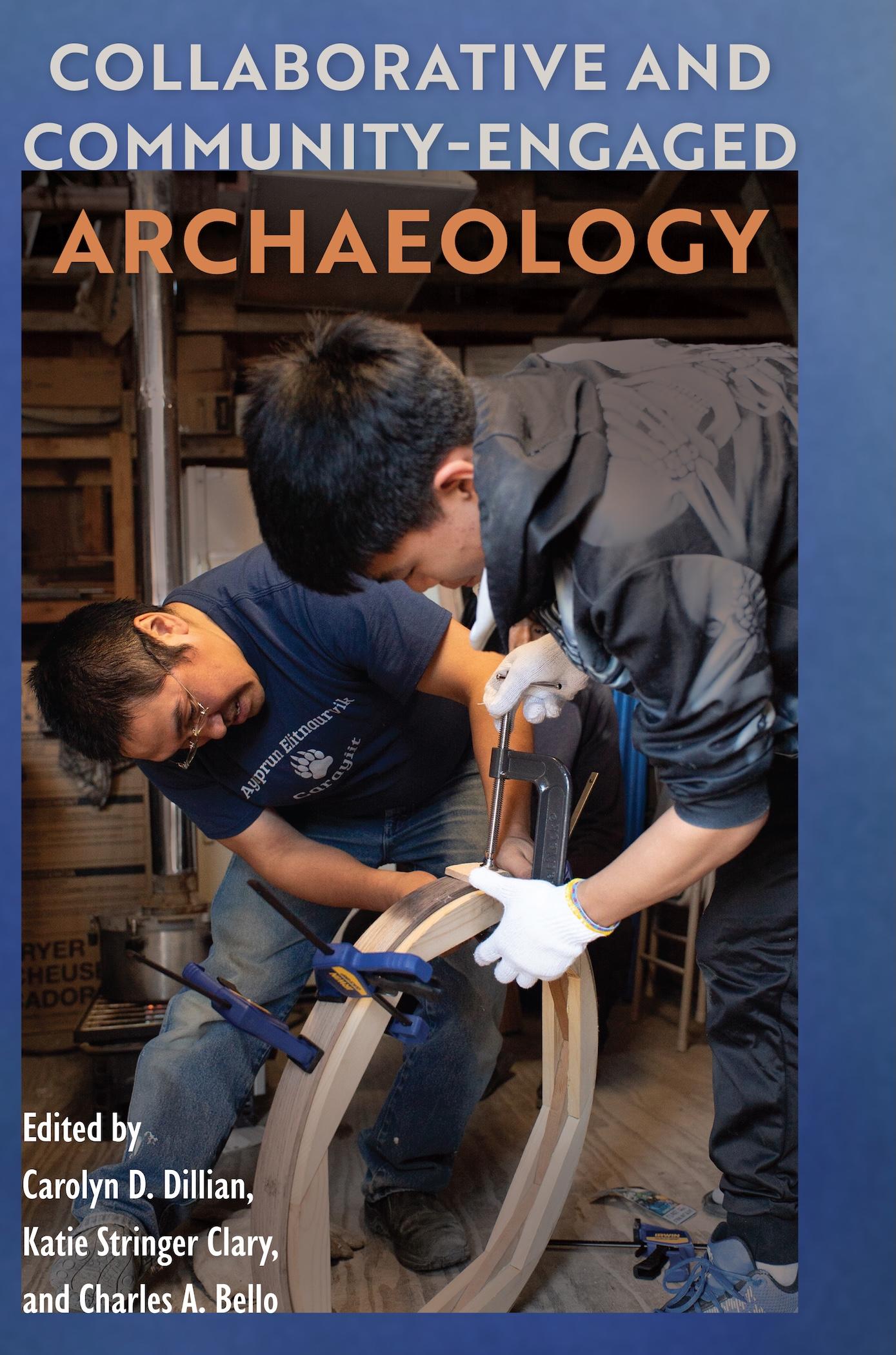
A collection of detailed case studies that emphasize partnerships with local and descendant communities to foster ethical, inclusive research practices
This book highlights approaches to archaeological research that emphasize active involvement of local communities and descendant groups in the design, investigation, interpretation, and management of sites and heritage. It argues for a paradigm shift toward ethical, inclusive, and community-driven archaeology, providing real-world examples that demonstrate the broad applicability and benefits of collaborative work.
The detailed case studies in this book examine successes and challenges in building reciprocal partnerships within academic, public outreach, museum, and compliance contexts. These projects include NAGPRA compliance work with the Miami Tribe of Oklahoma, an archaeological field school in South Carolina that provides educators with resources for teaching African American history, and the preservation of a cemetery uncovered during FEMA efforts in the US Virgin Islands. Throughout the chapters of Collaborative and Community-Engaged Archaeology, contributors advocate for consultation, shared decision-making, respect for knowledge systems, and the integration of diverse perspectives at every stage of archaeological practice.
Płać wygodnie kartą, Klarną, Apple Pay lub Google Pay. Nie jesteś zadowolony? Zawsze masz 14-dniową gwarancję zwrotu pieniędzy. Więcej przeczytasz w naszych warunkach. Masz pytania? Napisz do nas na hello@memmo.org.
Memmo ułatwia naukę – gdziekolwiek jesteś na świecie. U nas znajdziesz podręczniki i sprytne narzędzia do nauki w jednym miejscu: streszczenia, quizy, podcasty i fiszki. A do tego Ted, Twój kumpel do nauki, który odpowie na wszystko, co Cię nurtuje. Ponad 50 000 studentów już tu się uczy – stworzone, byś uczył się szybciej i mniej stresował.