
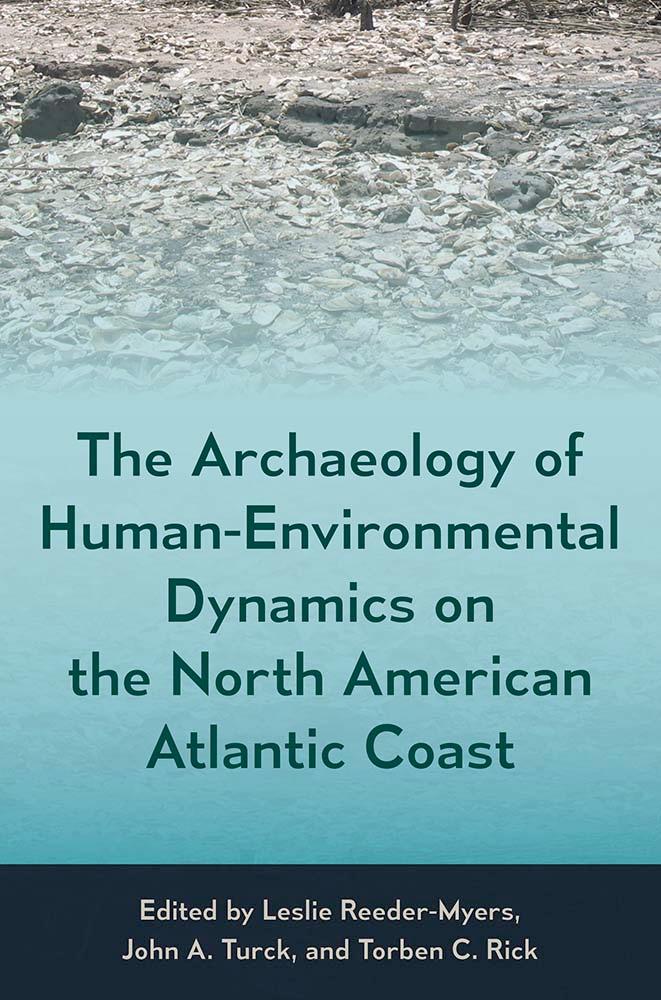
Using archaeology as a tool for understanding long-term ecological and climatic change, this volume synthesizes current knowledge about the ways Native Americans interacted with their environments along the Atlantic Coast of North America over the past 10,000 years.
Leading scholars discuss how the region’s indigenous peoples grappled with significant changes to shorelines and estuaries, from sea level rise to shifting plant and animal distributions to European settlement and urbanization. Together, they provide a valuable perspective spanning millennia on the diverse marine and nearshore ecosystems of the entire Eastern Seaboard—the icy waters of Newfoundland and the Gulf of Maine, the Middle Atlantic regions of the New York Bight and the Chesapeake Bay, and the warm shallows of the St. Johns River and the Florida Keys. This broad comparative outlook brings together populations and areas previously studied in isolation.
Today, the Atlantic Coast is home to tens of millions of people who inhabit ecosystems that are in dramatic decline. The research in this volume not only illuminates the past, but also provides important tools for managing coastal environments into an uncertain future.
A volume in the series Society and Ecology in Island and Coastal Archaeology, edited by Victor D. Thompson
Płać wygodnie kartą, Klarną, Apple Pay lub Google Pay. Nie jesteś zadowolony? Zawsze masz 14-dniową gwarancję zwrotu pieniędzy. Więcej przeczytasz w naszych warunkach. Masz pytania? Napisz do nas na hello@memmo.org.
Memmo ułatwia naukę – gdziekolwiek jesteś na świecie. U nas znajdziesz podręczniki i sprytne narzędzia do nauki w jednym miejscu: streszczenia, quizy, podcasty i fiszki. A do tego Ted, Twój kumpel do nauki, który odpowie na wszystko, co Cię nurtuje. Ponad 50 000 studentów już tu się uczy – stworzone, byś uczył się szybciej i mniej stresował.
Może Ci się spodobać
Kup książkę0