
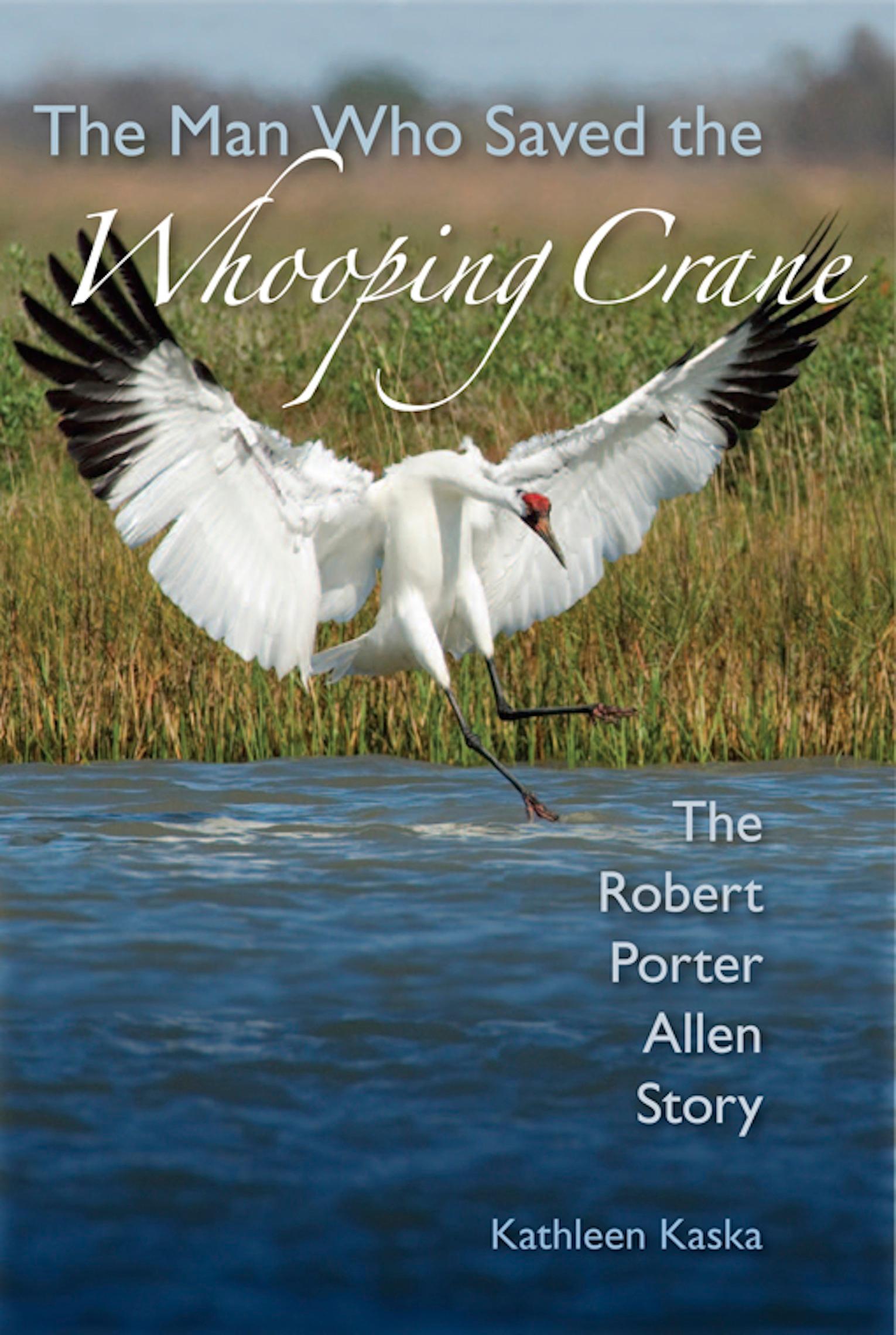
Millions of people know a little bit about efforts to save the whooping crane, thanks to the movie Fly Away Home and annual news stories about ultralight planes leading migratory flocks. But few realize that in the spring of 1941, the population of these magnificent birds--pure white with black wingtips, standing five feet tall with a seven-foot wingspan--had reached an all-time low of fifteen. Written off as a species destined for extinction, the whooping crane has made a slow but unbelievable comeback over the last seven decades.
This recovery would have been impossible if not for the efforts of Robert Porter Allen, an ornithologist with the National Audubon Society, whose courageous eight-year crusade to find the only remaining whooping crane nesting site in North America garnered nationwide media coverage. His search and his impassioned lectures about overdevelopment, habitat loss, and unregulated hunting triggered a media blitz that had thousands of citizens on the lookout for the birds during their migratory trips.
Allen's tireless efforts changed the course of U.S. environmental history and helped lead to the passage of the Endangered Species Act in 1973. Though few people remember him today, his life reads like an Indiana Jones story, full of danger and adventure, failure and success. His amazing story deserves to be told.
Płać wygodnie kartą, Klarną, Apple Pay lub Google Pay. Nie jesteś zadowolony? Zawsze masz 14-dniową gwarancję zwrotu pieniędzy. Więcej przeczytasz w naszych warunkach. Masz pytania? Napisz do nas na hello@memmo.org.
Memmo ułatwia naukę – gdziekolwiek jesteś na świecie. U nas znajdziesz podręczniki i sprytne narzędzia do nauki w jednym miejscu: streszczenia, quizy, podcasty i fiszki. A do tego Ted, Twój kumpel do nauki, który odpowie na wszystko, co Cię nurtuje. Ponad 50 000 studentów już tu się uczy – stworzone, byś uczył się szybciej i mniej stresował.