
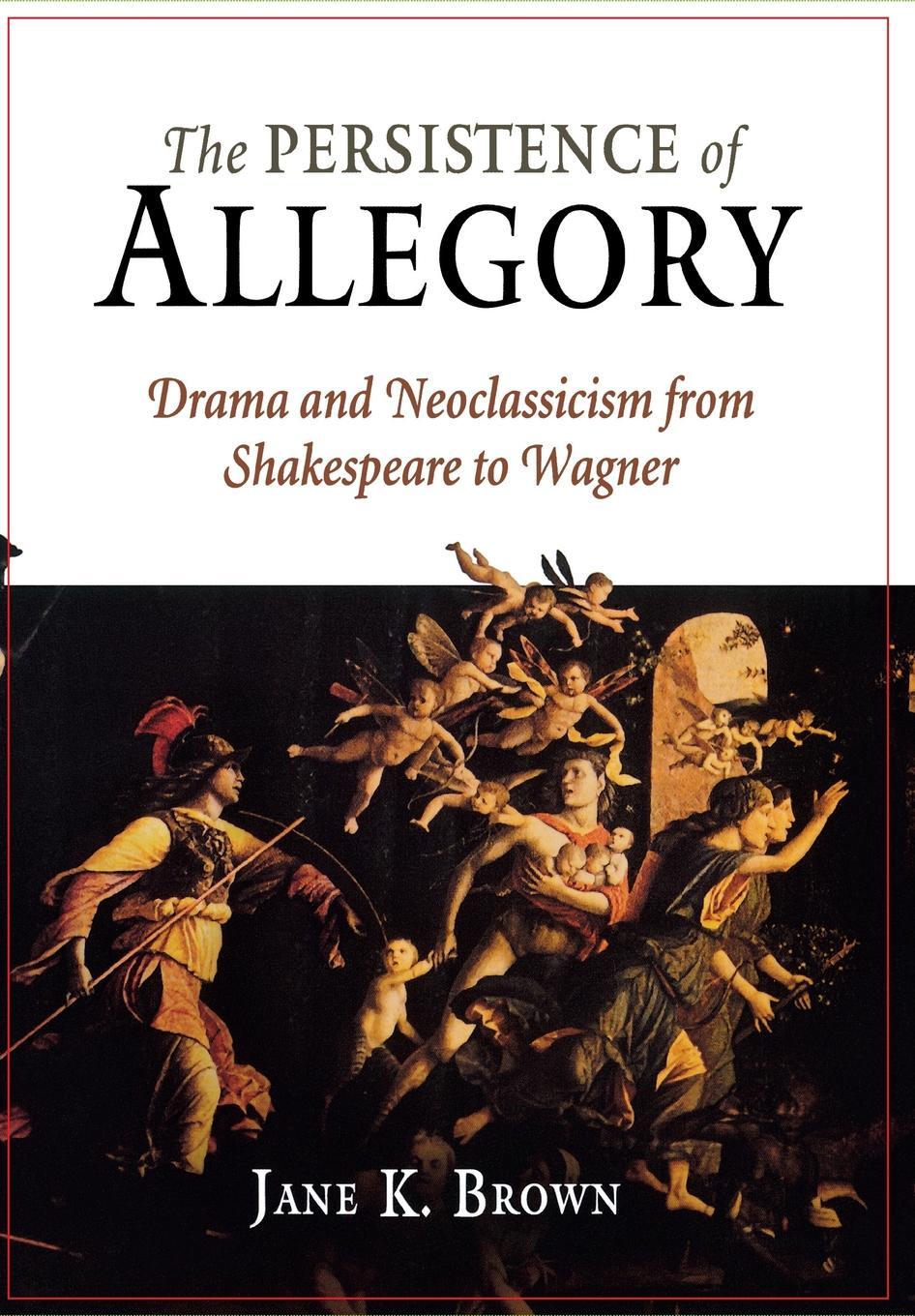
In an impressively comparative work, Jane K. Brown explores the tension in European drama between allegory and neoclassicism from the sixteenth through the nineteenth century. Imitation of nature is generally thought to triumph over religious allegory in the Elizabethan and French classical theater, a shift attributable to the recovery of Aristotle's Poetics in the Renaissance. But if Aristotle's terminology was rapidly assimilated, Brown demonstrates that change in dramatic practice took place only gradually and partially and that allegory was never fully cast off the stage.
The book traces a complex history of neoclassicism in which new allegorical forms flourish and older ones are constantly revitalized. Brown reveals the allegorical survivals in the works of such major figures as Shakespeare, Calderón, Racine, Vondel, Metastasio, Goethe, and Wagner and reads tragedy, comedy, masque, opera, and school drama together rather than as separate developments. Throughout, she draws illuminating parallels to modes of representation in the visual arts.
A work of broad interest to scholars, teachers, and students of theatrical form, The Persistence of Allegory presents a fundamental rethinking of the history of European drama.
Płać wygodnie kartą, Klarną, Apple Pay lub Google Pay. Nie jesteś zadowolony? Zawsze masz 14-dniową gwarancję zwrotu pieniędzy. Więcej przeczytasz w naszych warunkach. Masz pytania? Napisz do nas na hello@memmo.org.
Memmo ułatwia naukę – gdziekolwiek jesteś na świecie. U nas znajdziesz podręczniki i sprytne narzędzia do nauki w jednym miejscu: streszczenia, quizy, podcasty i fiszki. A do tego Ted, Twój kumpel do nauki, który odpowie na wszystko, co Cię nurtuje. Ponad 50 000 studentów już tu się uczy – stworzone, byś uczył się szybciej i mniej stresował.