
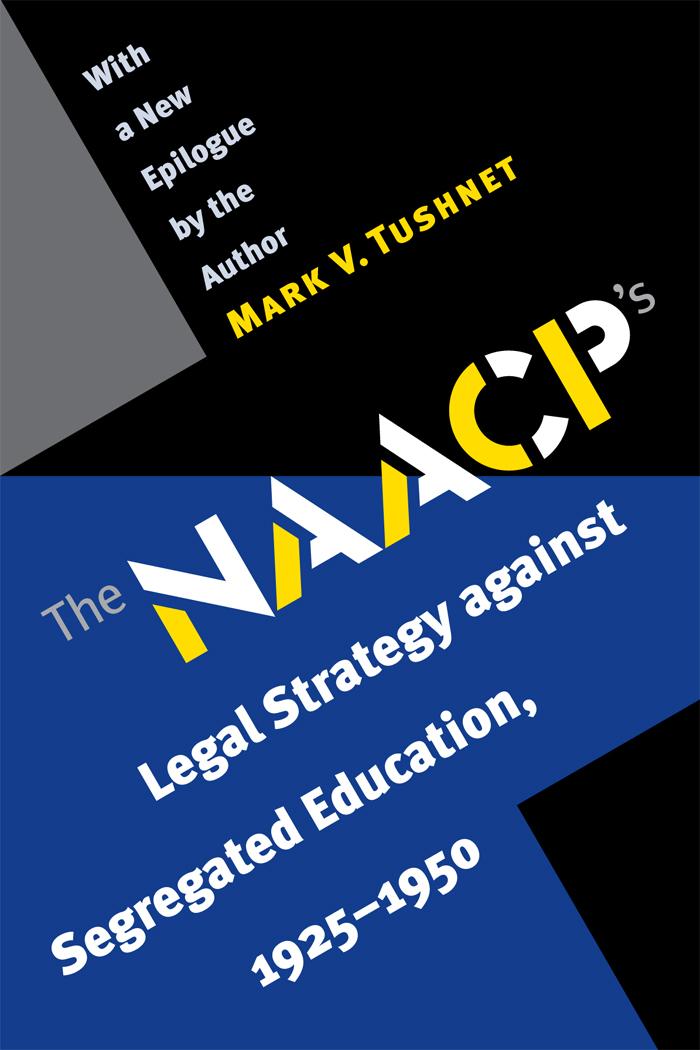
The NAACP’s fight against segregated education — the first public interest litigation campaign — culminated in the 1954 Brown decision. While touching on the general social, political, and economic climate in which the NAACP acted, Mark V. Tushnet emphasizes the internal workings of the organization as revealed in its own documents. He argues that the dedication and the political and legal skills of staff members such as Walter White, Charles Hamilton Houston, and Thurgood Marshall were responsible for the ultimate success of public interest law. This edition contains a new epilogue by the author that addresses general questions of litigation strategy, the persistent question of whether the Brown decision mattered, and the legacy of Brown through the Burger and Rehnquist courts.
Płać wygodnie kartą, Klarną, Apple Pay lub Google Pay. Nie jesteś zadowolony? Zawsze masz 14-dniową gwarancję zwrotu pieniędzy. Więcej przeczytasz w naszych warunkach. Masz pytania? Napisz do nas na hello@memmo.org.
Memmo ułatwia naukę – gdziekolwiek jesteś na świecie. U nas znajdziesz podręczniki i sprytne narzędzia do nauki w jednym miejscu: streszczenia, quizy, podcasty i fiszki. A do tego Ted, Twój kumpel do nauki, który odpowie na wszystko, co Cię nurtuje. Ponad 50 000 studentów już tu się uczy – stworzone, byś uczył się szybciej i mniej stresował.