
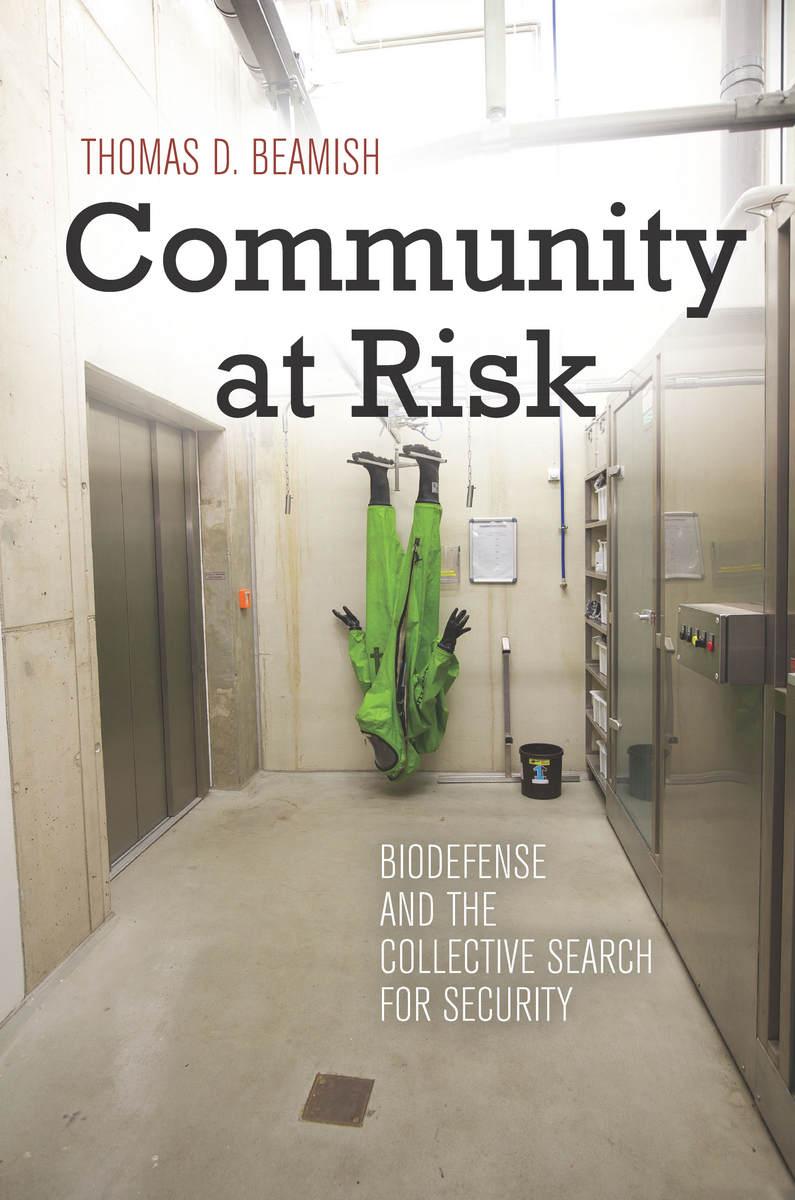
In 2001, following the events of September 11 and the Anthrax attacks, the United States government began an aggressive campaign to secure the nation against biological catastrophe. Its agenda included building National Biocontainment Laboratories (NBLs), secure facilities intended for research on biodefense applications, at participating universities around the country. In Community at Risk, Thomas D. Beamish examines the civic response to local universities' plans to develop NBLs in three communities: Roxbury, MA; Davis, CA; and Galveston, TX. At a time when the country's anxiety over its security had peaked, reactions to the biolabs ranged from vocal public opposition to acceptance and embrace. He argues that these divergent responses can be accounted for by the civic conventions, relations, and virtues specific to each locale. Together, these elements clustered, providing a foundation for public dialogue. In contrast to conventional micro- and macro-level accounts of how risk is perceived and managed, Beamish's analysis of each case reveals the pivotal role played by meso-level contexts and political dynamics. Community at Risk provides a new framework for understanding risk disputes and their prevalence in American civic life.
Płać wygodnie kartą, Klarną, Apple Pay lub Google Pay. Nie jesteś zadowolony? Zawsze masz 14-dniową gwarancję zwrotu pieniędzy. Więcej przeczytasz w naszych warunkach. Masz pytania? Napisz do nas na hello@memmo.org.
Memmo ułatwia naukę – gdziekolwiek jesteś na świecie. U nas znajdziesz podręczniki i sprytne narzędzia do nauki w jednym miejscu: streszczenia, quizy, podcasty i fiszki. A do tego Ted, Twój kumpel do nauki, który odpowie na wszystko, co Cię nurtuje. Ponad 50 000 studentów już tu się uczy – stworzone, byś uczył się szybciej i mniej stresował.