
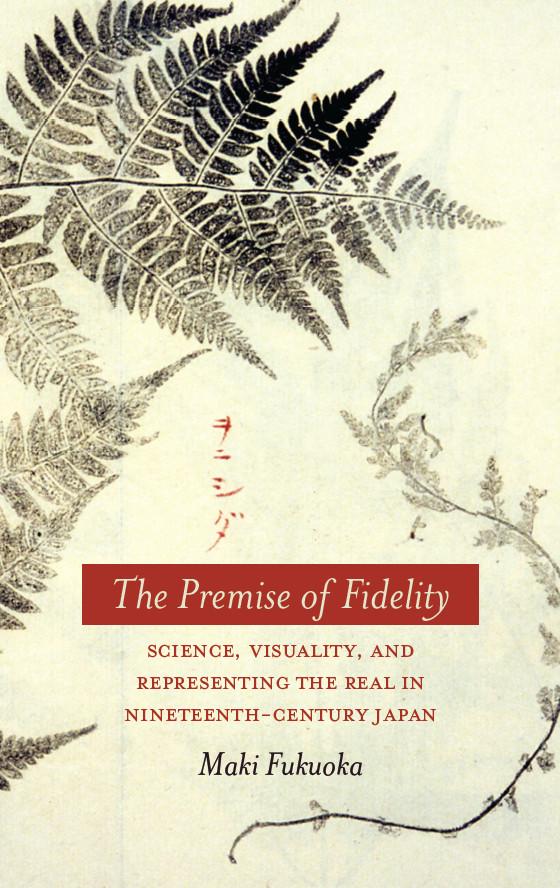
The Premise of Fidelity puts forward a new history of Japanese visuality through an examination of the discourses and practices surrounding the nineteenth century transposition of "the real" in the decades before photography was introduced. This intellectual history is informed by a careful examination of a network of local scholars—from physicians to farmers to bureaucrats—known as Shōhyaku-sha. In their archival materials, these scholars used the term shashin (which would, years later, come to signify "photography" in Japanese) in a wide variety of medical, botanical, and pictorial practices. These scholars pursued questions of the relationship between what they observed and what they believed they knew, in the process investigating scientific ideas and practices by obsessively naming and classifying, and then rendering through highly accurate illustration, the objects of their study.
This book is an exploration of the process by which the Shōhyaku-sha shaped the concept of shashin. As such, it disrupts the dominant narratives of photography, art, and science in Japan, providing a prehistory of Japanese photography that requires the accepted history of the discipline to be rewritten.
Płać wygodnie kartą, Klarną, Apple Pay lub Google Pay. Nie jesteś zadowolony? Zawsze masz 14-dniową gwarancję zwrotu pieniędzy. Więcej przeczytasz w naszych warunkach. Masz pytania? Napisz do nas na hello@memmo.org.
Memmo ułatwia naukę – gdziekolwiek jesteś na świecie. U nas znajdziesz podręczniki i sprytne narzędzia do nauki w jednym miejscu: streszczenia, quizy, podcasty i fiszki. A do tego Ted, Twój kumpel do nauki, który odpowie na wszystko, co Cię nurtuje. Ponad 50 000 studentów już tu się uczy – stworzone, byś uczył się szybciej i mniej stresował.