
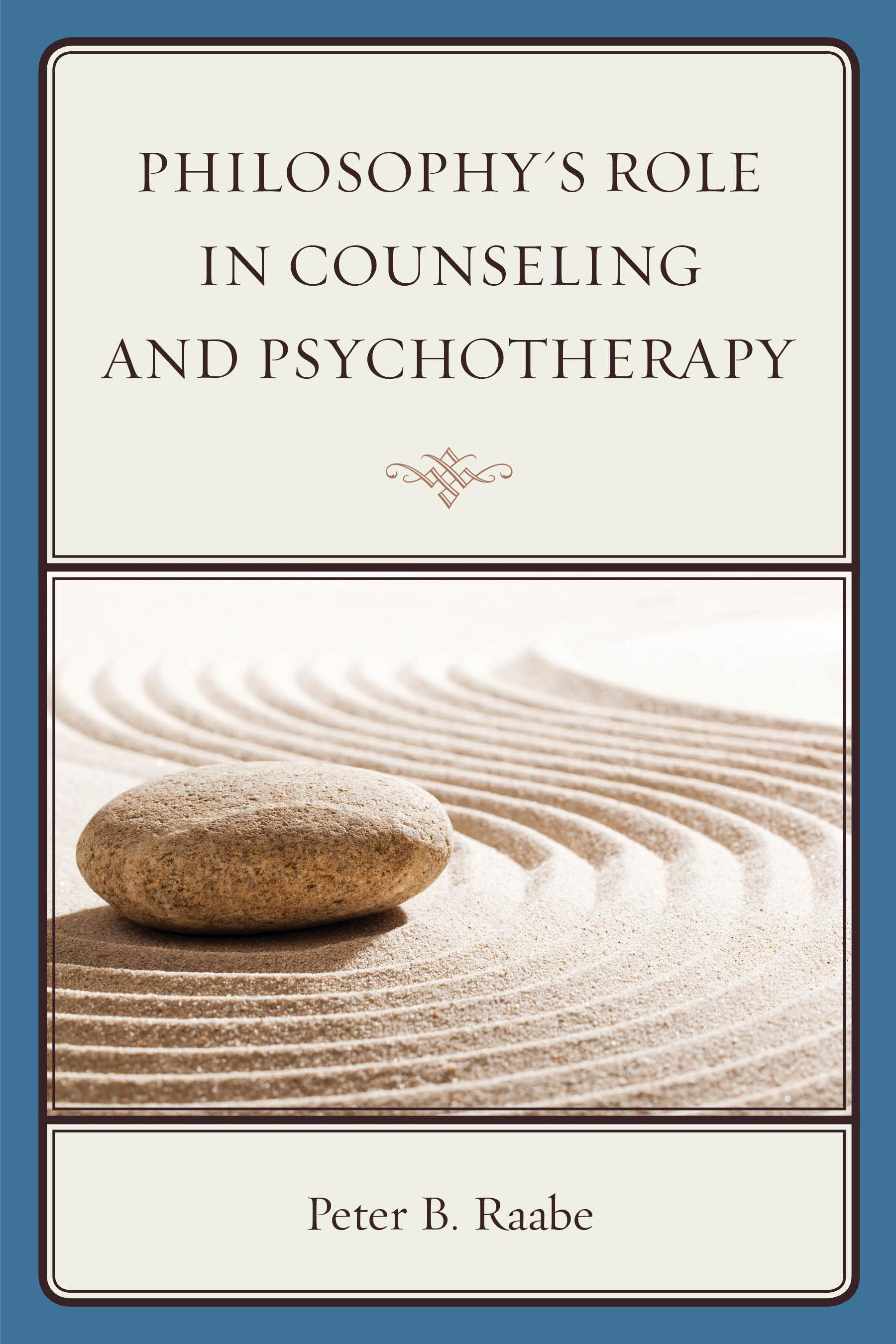
In Philosophy's Role in Counseling and Psychotherapy, Peter Raabe argues that philosophy is an effective method in treating mental illness. Calling for a paradigm shift away from the standard belief that the brain and mind are identical Raabe argues that so-called “mental illnesses” such as depression and schizophrenia are not the actual causes of psychological misery. Instead, they are just labels for symptoms. For example, the word “depression” is merely a label attached to a collection of symptoms such as sadness, hopelessness, and low self-esteem. Raabe posits that distressing or painful life events can cause symptoms that are often clinically labeled as the mental illness of depression. The suffering brought on by painful life events can often be alleviated with helpful discussions, and without resorting to medications. Because philosophy is the foremost form of discussion, it means that the suffering that is labeled mental illness can be treated and even cured with philosophy. Raabe ultimately concludes that philosophy is beneficial in three ways: it can prevent the onset of a so-called mental illness in the person who studies it, it can be used to help individuals suffering from the distress that is labeled “mental illness,” and it will enhance the competence of the counselor or therapist who practices it.
Płać wygodnie kartą, Klarną, Apple Pay lub Google Pay. Nie jesteś zadowolony? Zawsze masz 14-dniową gwarancję zwrotu pieniędzy. Więcej przeczytasz w naszych warunkach. Masz pytania? Napisz do nas na hello@memmo.org.
Memmo ułatwia naukę – gdziekolwiek jesteś na świecie. U nas znajdziesz podręczniki i sprytne narzędzia do nauki w jednym miejscu: streszczenia, quizy, podcasty i fiszki. A do tego Ted, Twój kumpel do nauki, który odpowie na wszystko, co Cię nurtuje. Ponad 50 000 studentów już tu się uczy – stworzone, byś uczył się szybciej i mniej stresował.