
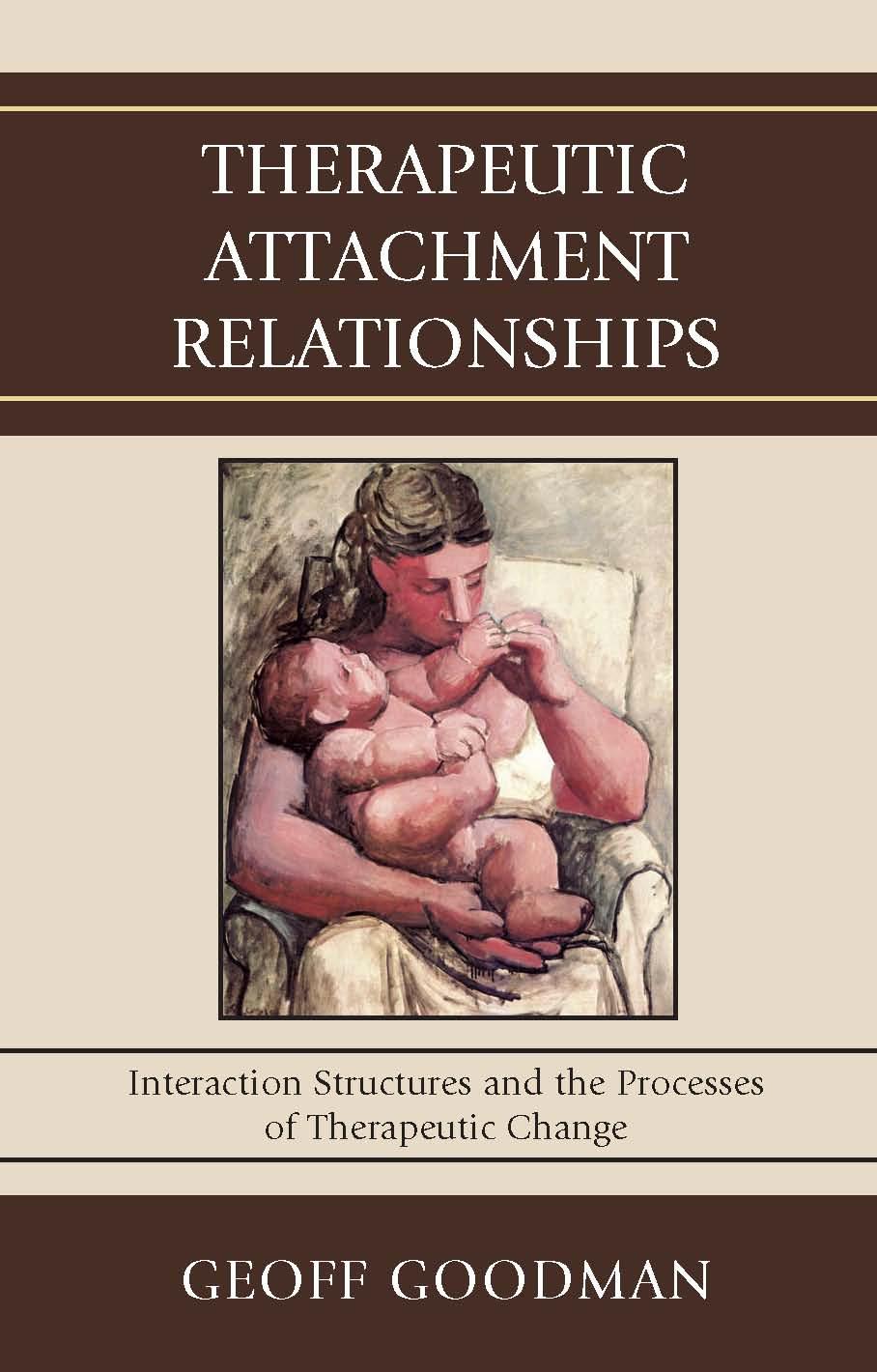
The 75 years that span the writings of Sigmund Freud and John Bowlby-two minds that have significantly shaped thinking about the processes of change in psychotherapy and psychoanalysis-have yielded dramatic changes in the ways in which we conceptualize human relationship as curative. Their different positions reflect changes in our culture, in the philosophy of science, and in contemporary views of human subjectivity. Heisenberg's uncertainty principle-the principle that the position of an electron cannot be determined because the observation of its position affects its position in an indeterminate way-has been appropriated as a metaphor for human interaction. Freud's foundational, technical recommendations, such as abstinence and neutrality, have yielded to mutuality and subjectivity within the therapist-patient dyad. Attachment theory and research have begun to specify the variety of therapist-patient interactions and the relation between the quality of these interactions and patient outcomes. The goal of this book is to contribute to our understanding of these interaction structures and their influence on therapeutic changes in the patient. Geoff Goodman invites the reader to consider the attachment relationship as an often-overlooked specific factor that nevertheless plays a key role in all therapeutic processes. Therapeutic Attachment Relationships explores the attachment relationship as an effective ingredient in all therapeutic change.
Płać wygodnie kartą, Klarną, Apple Pay lub Google Pay. Nie jesteś zadowolony? Zawsze masz 14-dniową gwarancję zwrotu pieniędzy. Więcej przeczytasz w naszych warunkach. Masz pytania? Napisz do nas na hello@memmo.org.
Memmo ułatwia naukę – gdziekolwiek jesteś na świecie. U nas znajdziesz podręczniki i sprytne narzędzia do nauki w jednym miejscu: streszczenia, quizy, podcasty i fiszki. A do tego Ted, Twój kumpel do nauki, który odpowie na wszystko, co Cię nurtuje. Ponad 50 000 studentów już tu się uczy – stworzone, byś uczył się szybciej i mniej stresował.