
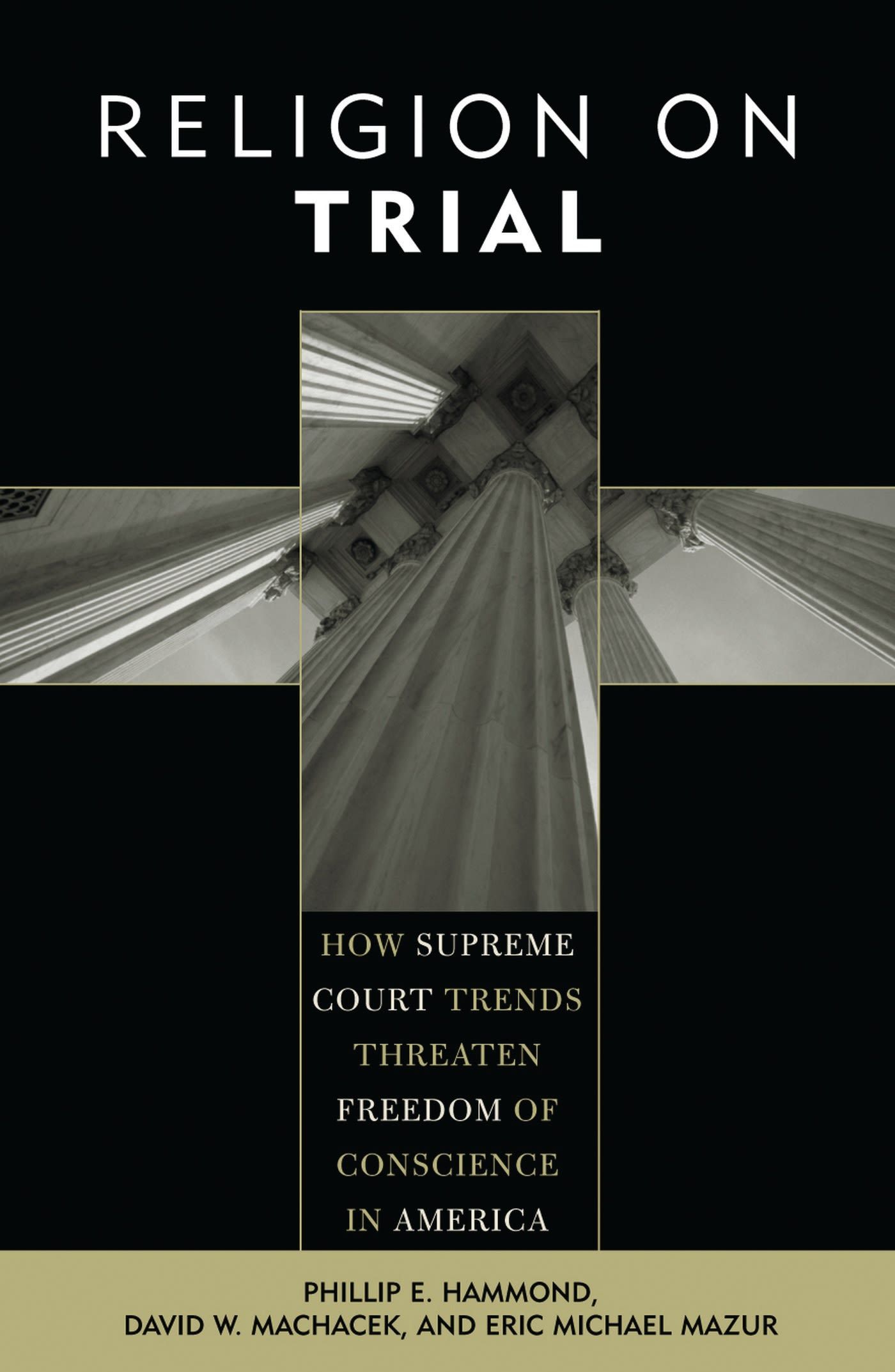
The free exercise of conscience is under threat in the United States. Already the conservative bloc of the Supreme Court is reversing the progress of religious liberty that had been steadily advancing. And this danger will only increase if more conservative judges are nominated to the court. This is the impassioned argument of Religion on Trial. Against Justices Scalia, Thomas, and Chief Justice Rehnquist, the authors argue that what the First Amendment protects is the freedom of individual conviction, not the rights of sectarian majorities to inflict their values on others. Beginning with an analysis of the origins of the Constitution and then following the history of significant church-state issues, Religion on Trial shows that the trajectory of American history has been toward greater freedoms for more Americans: freedom of religion moving gradually toward freedom of conscience regardless of religion. But in the last quarter-century, conservatives have gained political power and they are now attempting to limit the ability of the Court to protect the rights of individual conscience. Writing not just as scholars, but as advocates of church-state separation, Hammond, Machacek, and Mazur make the strong case that every American needs to pay attention to what is happening on the Surpeme Court or risk losing the liberties of conscience and religion that have been gained so far.
Płać wygodnie kartą, Klarną, Apple Pay lub Google Pay. Nie jesteś zadowolony? Zawsze masz 14-dniową gwarancję zwrotu pieniędzy. Więcej przeczytasz w naszych warunkach. Masz pytania? Napisz do nas na hello@memmo.org.
Memmo ułatwia naukę – gdziekolwiek jesteś na świecie. U nas znajdziesz podręczniki i sprytne narzędzia do nauki w jednym miejscu: streszczenia, quizy, podcasty i fiszki. A do tego Ted, Twój kumpel do nauki, który odpowie na wszystko, co Cię nurtuje. Ponad 50 000 studentów już tu się uczy – stworzone, byś uczył się szybciej i mniej stresował.