
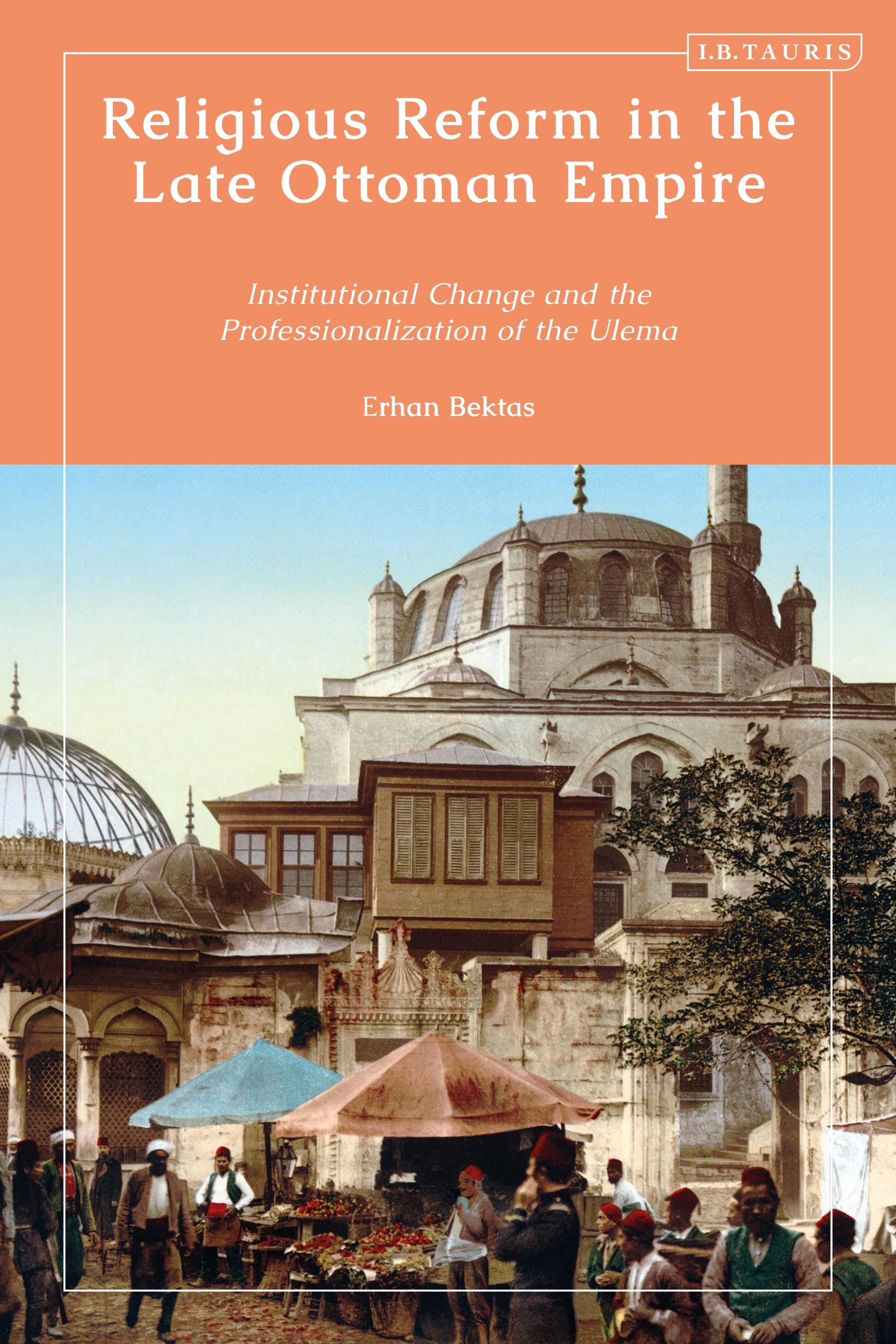
The influence of the ulema, the official Sunni Muslim religious scholars of the Ottoman Empire, is commonly understood to have waned in the empire's last century. Drawing upon Ottoman state archives and the institutional archives of the ulema, this study challenges this narrative, showing that the ulema underwent a process of professionalisation as part of the wider Tanzimat reforms and thereby continued to play an important role in Ottoman society. First outlining transformations in the office of the Sheikh ul-islam, the leading Ottoman Sunni Muslim cleric, the book goes on to use the archives to present a detailed portrait of the lives of individual ulema, charting their education and professional and social lives. It also includes a glossary of Turkish-Arabic vocabulary for increased clarity. Contrary to beliefs about their decline, the book shows they played a central role in the empire's efforts to centralise the state by acting as intermediaries between the government and social groups, particularly on the empire's peripheries.
Płać wygodnie kartą, Klarną, Apple Pay lub Google Pay. Nie jesteś zadowolony? Zawsze masz 14-dniową gwarancję zwrotu pieniędzy. Więcej przeczytasz w naszych warunkach. Masz pytania? Napisz do nas na hello@memmo.org.
Memmo ułatwia naukę – gdziekolwiek jesteś na świecie. U nas znajdziesz podręczniki i sprytne narzędzia do nauki w jednym miejscu: streszczenia, quizy, podcasty i fiszki. A do tego Ted, Twój kumpel do nauki, który odpowie na wszystko, co Cię nurtuje. Ponad 50 000 studentów już tu się uczy – stworzone, byś uczył się szybciej i mniej stresował.