
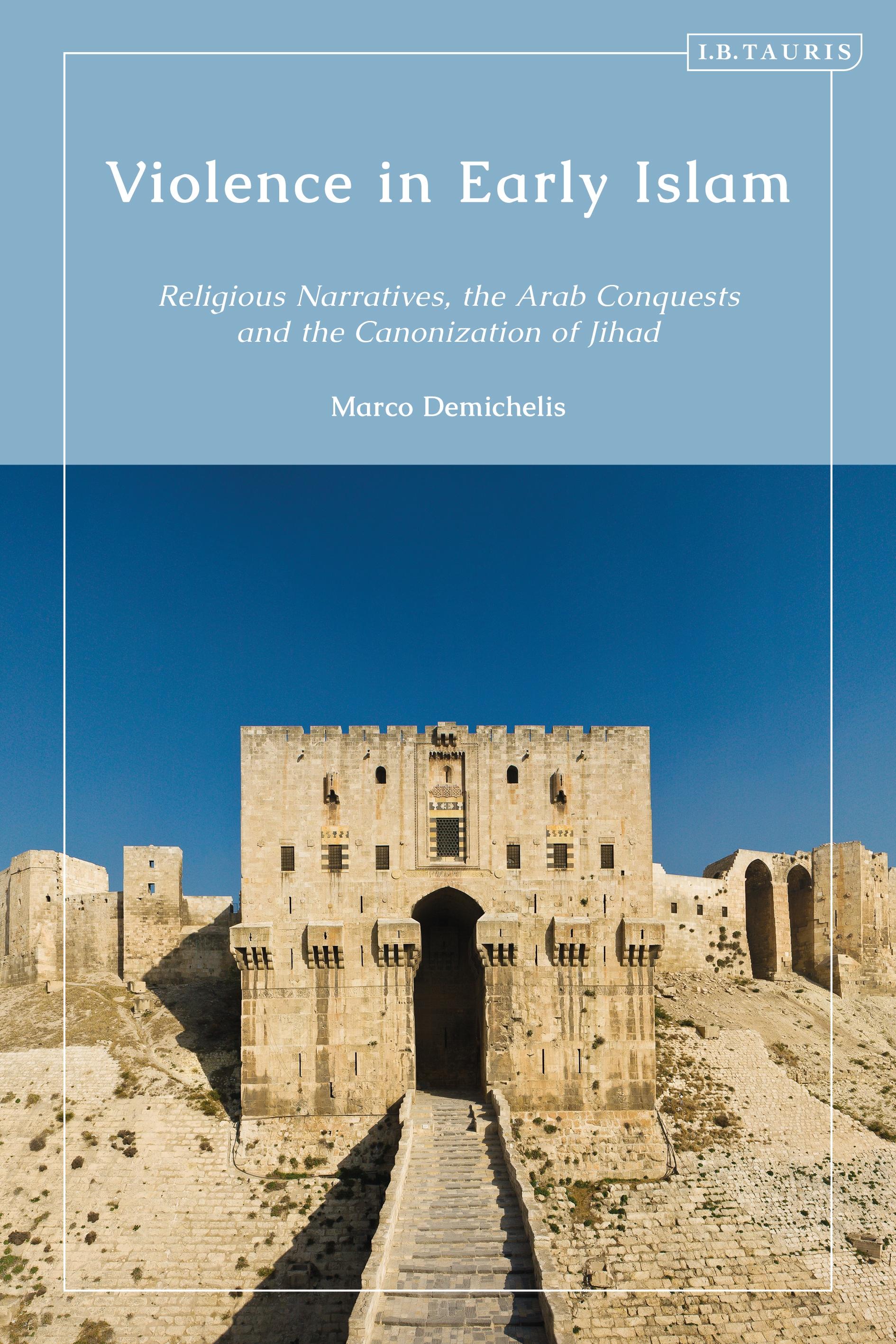
The concept of jihad holds a prominent place in Islamic thought and history. Beyond its spiritual meanings, the term has historically been associated with the sweeping Arab-Believers conquests of the 7-8th century BCE. But given advances in our understanding of the historicity and chronology of the Qur'an and early Islamic texts, is it correct to identify jihad and Islam with violent conquest?
In this book, Marco Demichelis explores the history of the concept of jihad in the early proto-Islamic centuries (7-8th). Deploying an interdisciplinary approach which combines the hermeneutical study of the famous 'Verses of the Sword' within the Qur'an itself, with historical writing by Islamic chroniclers as well as non-Islamic sources, numismatics, epigraphical and architectural evidence, the book questions the relationship between the religious concept of jihad and the conquests. The book argues that Christian Byzantine Foederati forices who previously fought against the Persians may have had a formative effect on the later emergence of more bellicose rhetoric. In so doing, it calls into question assumptions about warlike attitudes inherent within Islamic doctrine, and reveals a more nuanced and complicated history of religious violence in the pre, proto and early Islamic period.
In this book, Marco Demichelis explores the history of the concept of jihad in the early proto-Islamic centuries (7-8th). Deploying an interdisciplinary approach which combines the hermeneutical study of the famous 'Verses of the Sword' within the Qur'an itself, with historical writing by Islamic chroniclers as well as non-Islamic sources, numismatics, epigraphical and architectural evidence, the book questions the relationship between the religious concept of jihad and the conquests. The book argues that Christian Byzantine Foederati forices who previously fought against the Persians may have had a formative effect on the later emergence of more bellicose rhetoric. In so doing, it calls into question assumptions about warlike attitudes inherent within Islamic doctrine, and reveals a more nuanced and complicated history of religious violence in the pre, proto and early Islamic period.
Płać wygodnie kartą, Klarną, Apple Pay lub Google Pay. Nie jesteś zadowolony? Zawsze masz 14-dniową gwarancję zwrotu pieniędzy. Więcej przeczytasz w naszych warunkach. Masz pytania? Napisz do nas na hello@memmo.org.
Memmo ułatwia naukę – gdziekolwiek jesteś na świecie. U nas znajdziesz podręczniki i sprytne narzędzia do nauki w jednym miejscu: streszczenia, quizy, podcasty i fiszki. A do tego Ted, Twój kumpel do nauki, który odpowie na wszystko, co Cię nurtuje. Ponad 50 000 studentów już tu się uczy – stworzone, byś uczył się szybciej i mniej stresował.