
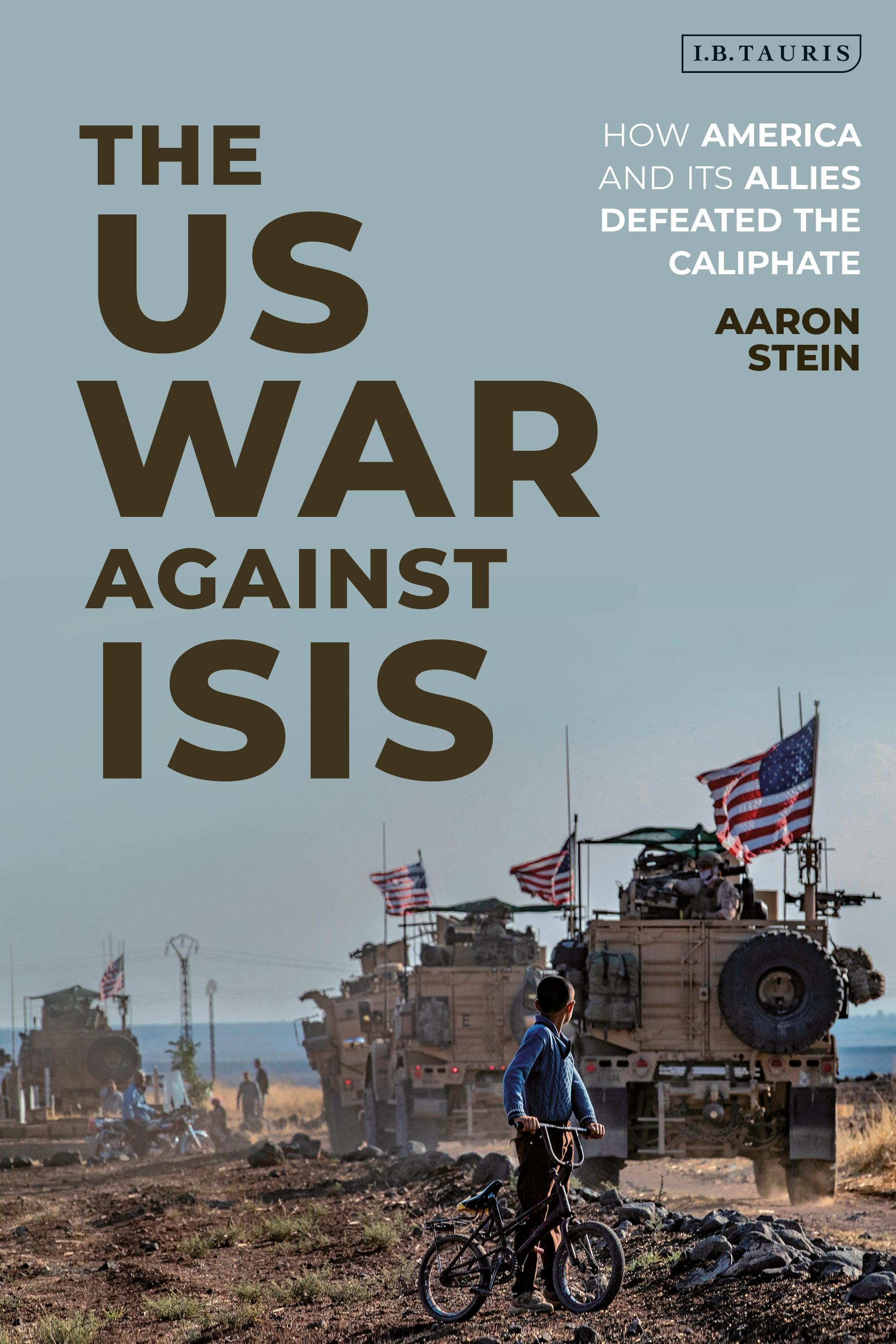
The war against ISIS is often explained through the group's own rise to power. The American side of the story has not yet been told. This book records how the United States and its allies chose to fight the group, what the consequences have been for transatlantic relations, and how these factors may shape future wars the West decides to pursue.
The book is based on first-person interviews with U.S. and European policymakers, and members of the military in direct combat against ISIS - from U.S and allied forces on the ground to the Kurdish fighters who fought beside them. These interviews show precisely how the West fights wars through the eyes of the people most involved in them and includes key insights about civilian decision-making as it happened. In tracing the war as it developed, the book examines the West's approach to conflict and reveals new insights such as why both the U.S. military and the civilian bureaucracy underestimated Russian military capabilities. The war was always meant to be small and focused, but its repercussions have been considerable and far-reaching, including a serious rupture in Turkish-Western relations and Russia's return to the Middle East.
Aaron Stein shows why mistakes were made in the war against ISIS and what happens when a narrow policy focus on counter terrorism is pursued at the expense of almost all wider regional security and political concerns. At a time when the U.S might be called again to stem the rise of a terror group or to fight against a collective threat, the lessons in this book are essential.
The book is based on first-person interviews with U.S. and European policymakers, and members of the military in direct combat against ISIS - from U.S and allied forces on the ground to the Kurdish fighters who fought beside them. These interviews show precisely how the West fights wars through the eyes of the people most involved in them and includes key insights about civilian decision-making as it happened. In tracing the war as it developed, the book examines the West's approach to conflict and reveals new insights such as why both the U.S. military and the civilian bureaucracy underestimated Russian military capabilities. The war was always meant to be small and focused, but its repercussions have been considerable and far-reaching, including a serious rupture in Turkish-Western relations and Russia's return to the Middle East.
Aaron Stein shows why mistakes were made in the war against ISIS and what happens when a narrow policy focus on counter terrorism is pursued at the expense of almost all wider regional security and political concerns. At a time when the U.S might be called again to stem the rise of a terror group or to fight against a collective threat, the lessons in this book are essential.
Płać wygodnie kartą, Klarną, Apple Pay lub Google Pay. Nie jesteś zadowolony? Zawsze masz 14-dniową gwarancję zwrotu pieniędzy. Więcej przeczytasz w naszych warunkach. Masz pytania? Napisz do nas na hello@memmo.org.
Memmo ułatwia naukę – gdziekolwiek jesteś na świecie. U nas znajdziesz podręczniki i sprytne narzędzia do nauki w jednym miejscu: streszczenia, quizy, podcasty i fiszki. A do tego Ted, Twój kumpel do nauki, który odpowie na wszystko, co Cię nurtuje. Ponad 50 000 studentów już tu się uczy – stworzone, byś uczył się szybciej i mniej stresował.