
Following the 1979 Islamic Revolution, there was a dramatic reversal of women's
rights, and the state revived many premodern social conventions through
modern means and institutions. Customs such as the enforced veiling of women,
easy divorce for men, child marriage, and polygamy were robustly reintroduced
and those who did not conform to societal strictures were severely punished. At
the same time, new social and economic programs benefited the urban and rural
poor, especially women, which had a direct impact on gender relations and the
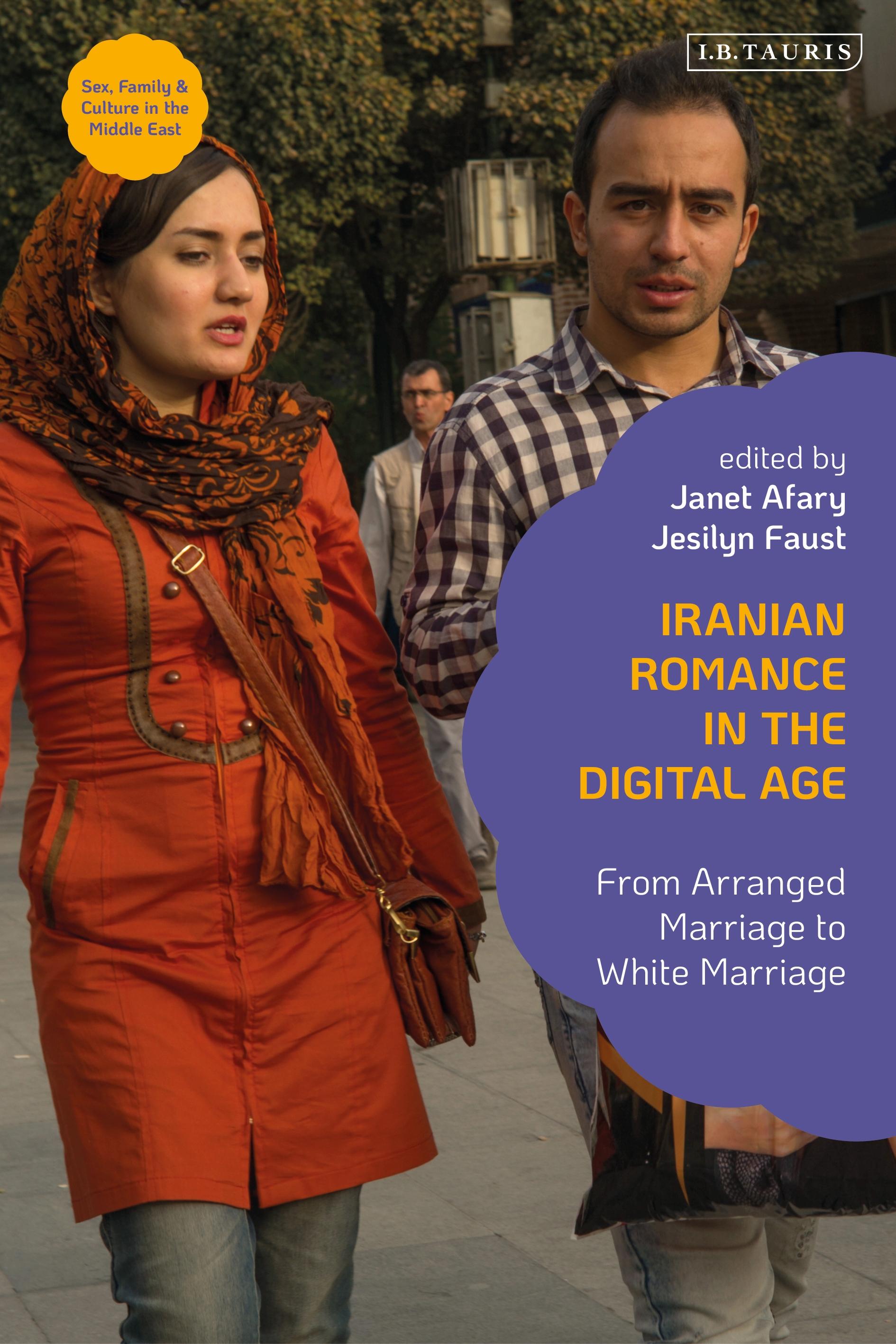
institution of marriage. Edited by Janet Afary and Jesilyn Faust, this interdisciplinary
volume responds to the growing interest and need for literature on gender, marriage
and family relations in the Islamic context. The book examines how the institution
of marriage transformed in Iran, paying close attention to the country's culture
and politics. Part One examines changes in urban marriages to new forms of
cohabitation. In Part Two contributors, such as Soraya Tremayne, explore the way
technology and social media has impacted and altered the institution of family.
Part Three turns its eye to look at marital changes in the rural and tribal sectors
of society through the works of anthropologists including Erika Friedl and Mary
Hegland. Based on the work of both new and established scholars, the book
provides an up-to-date study of an important and intensely politicized subject.
rights, and the state revived many premodern social conventions through
modern means and institutions. Customs such as the enforced veiling of women,
easy divorce for men, child marriage, and polygamy were robustly reintroduced
and those who did not conform to societal strictures were severely punished. At
the same time, new social and economic programs benefited the urban and rural
poor, especially women, which had a direct impact on gender relations and the
institution of marriage. Edited by Janet Afary and Jesilyn Faust, this interdisciplinary
volume responds to the growing interest and need for literature on gender, marriage
and family relations in the Islamic context. The book examines how the institution
of marriage transformed in Iran, paying close attention to the country's culture
and politics. Part One examines changes in urban marriages to new forms of
cohabitation. In Part Two contributors, such as Soraya Tremayne, explore the way
technology and social media has impacted and altered the institution of family.
Part Three turns its eye to look at marital changes in the rural and tribal sectors
of society through the works of anthropologists including Erika Friedl and Mary
Hegland. Based on the work of both new and established scholars, the book
provides an up-to-date study of an important and intensely politicized subject.
Płać wygodnie kartą, Klarną, Apple Pay lub Google Pay. Nie jesteś zadowolony? Zawsze masz 14-dniową gwarancję zwrotu pieniędzy. Więcej przeczytasz w naszych warunkach. Masz pytania? Napisz do nas na hello@memmo.org.
Memmo ułatwia naukę – gdziekolwiek jesteś na świecie. U nas znajdziesz podręczniki i sprytne narzędzia do nauki w jednym miejscu: streszczenia, quizy, podcasty i fiszki. A do tego Ted, Twój kumpel do nauki, który odpowie na wszystko, co Cię nurtuje. Ponad 50 000 studentów już tu się uczy – stworzone, byś uczył się szybciej i mniej stresował.