
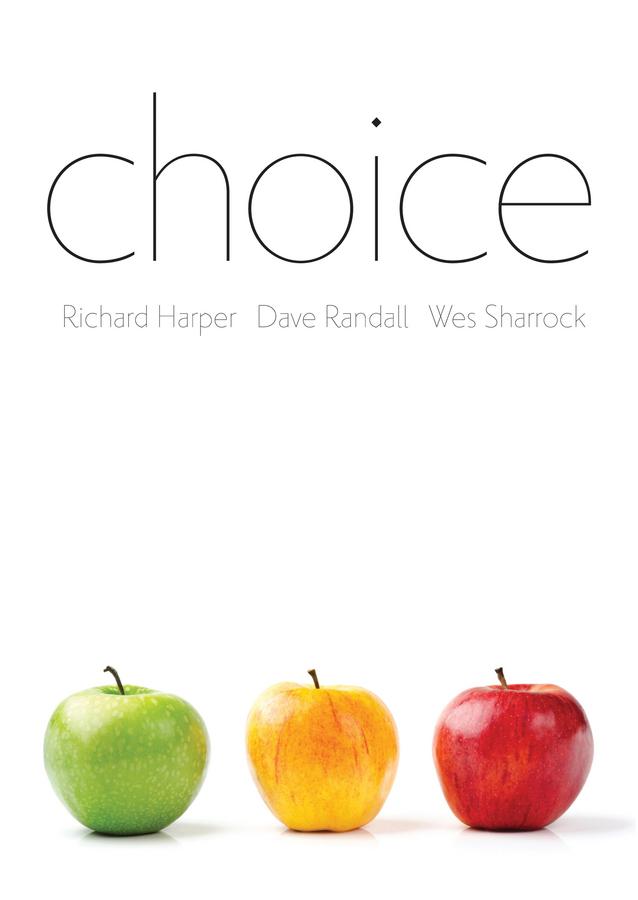
We make decisions every day. Yet we are sometimes perplexed by these decisions and the decisions of others. To complicate things further, we live in an age where there are more things to choose from than ever before the Internet is transforming our choices and making us more accountable for them: what we choose is recorded, modelled and used to predict our future behaviour.
So are we in a position to make better choices today than we were a decade ago? Certainly there are some who believe so. Psychologists claim we are subject to hidden mental processes that lead us to one thing rather than another; economists offer predictions about what people will buy; and some philosophers claim that our choices echo our evolutionary past.
Are these claims merited? Do they reflect the beginnings of a new science of choice? This book offers a critical overview of these and other claims, showing where they are justified and where they are exaggerated. It will be an essential reference for anyone interested in whether science can help us to understand both the ways people make choices in their everyday lives and how these may be changing.
Płać wygodnie kartą, Klarną, Apple Pay lub Google Pay. Nie jesteś zadowolony? Zawsze masz 14-dniową gwarancję zwrotu pieniędzy. Więcej przeczytasz w naszych warunkach. Masz pytania? Napisz do nas na hello@memmo.org.
Memmo ułatwia naukę – gdziekolwiek jesteś na świecie. U nas znajdziesz podręczniki i sprytne narzędzia do nauki w jednym miejscu: streszczenia, quizy, podcasty i fiszki. A do tego Ted, Twój kumpel do nauki, który odpowie na wszystko, co Cię nurtuje. Ponad 50 000 studentów już tu się uczy – stworzone, byś uczył się szybciej i mniej stresował.