
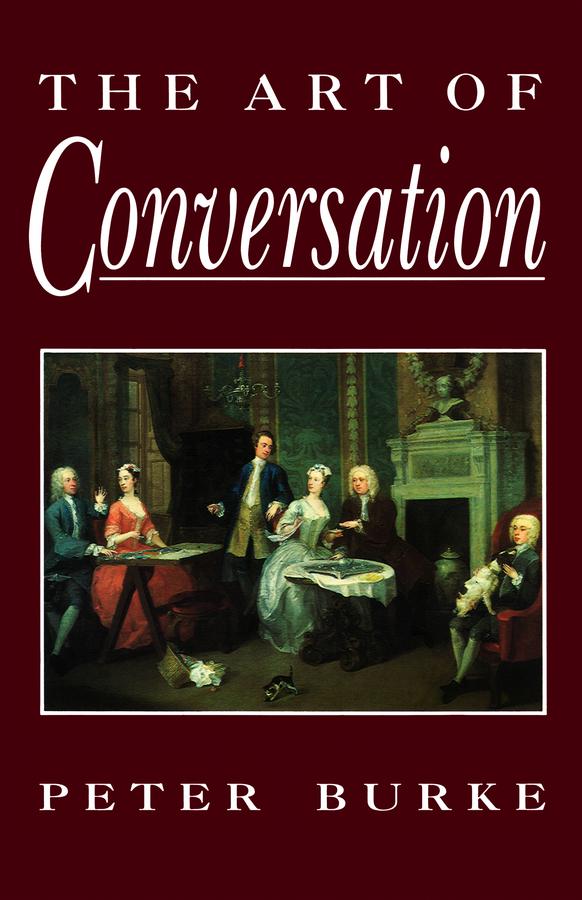
Drawing on the work of sociolinguists and others, Burke uses their concept while reserving the right to qualify their theories where the historical record makes this seem appropriate. Like the sociolinguists, Burke in concerned with the way language varies according to who is communicating to whom, on what occasion, in what medium and on what topic. Unlike many sociolinguists, Burke adds a historical dimension, treating language as an inseparable part of social history.
This approach is outlined and justified in the first chapter and then exemplified in the remaining four, which deal with the early modern period. Among the topics discussed are the changing role of Latin, which is shown to be very much alive in the age of its alleged decline; language and identity in Italy, a politically divided region at the time but one where educated elites had a common language; the art of conversation, in other words the advice on speaking in polite company offered in hundreds of treaties of the period; and silence, viewed as an act of communication with a significance which changes over time and varies according to the setting and the persons who are silent.
The Art of Conversation will be of great interest to students and scholars in social and cultural history, linguistics, the sociology of language and the ethnography of communication.
Płać wygodnie kartą, Klarną, Apple Pay lub Google Pay. Nie jesteś zadowolony? Zawsze masz 14-dniową gwarancję zwrotu pieniędzy. Więcej przeczytasz w naszych warunkach. Masz pytania? Napisz do nas na hello@memmo.org.
Memmo ułatwia naukę – gdziekolwiek jesteś na świecie. U nas znajdziesz podręczniki i sprytne narzędzia do nauki w jednym miejscu: streszczenia, quizy, podcasty i fiszki. A do tego Ted, Twój kumpel do nauki, który odpowie na wszystko, co Cię nurtuje. Ponad 50 000 studentów już tu się uczy – stworzone, byś uczył się szybciej i mniej stresował.