
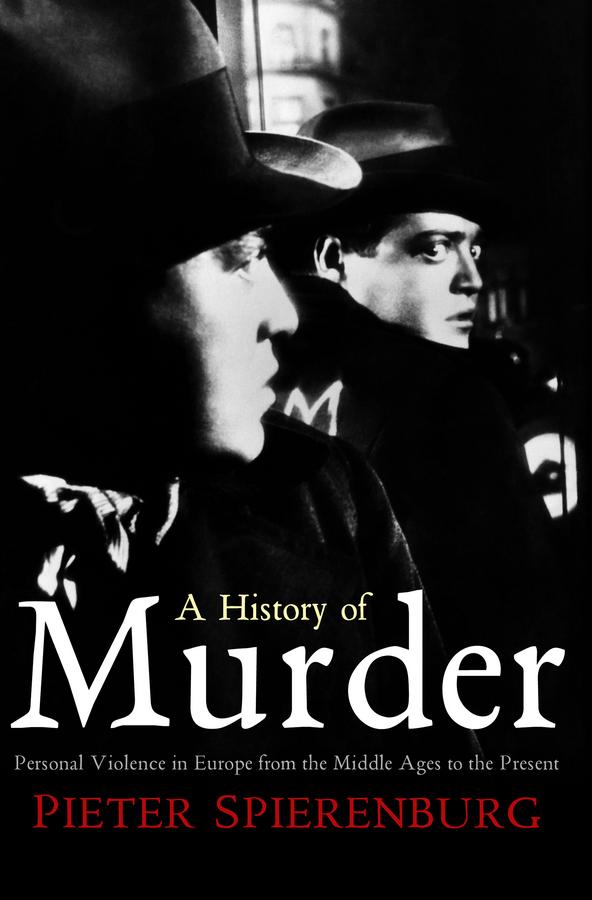
In this original and compelling contribution, Spierenburg sheds new light on several important themes. He looks, for example, at the transformation of homicide from a private matter, followed by revenge or reconciliation, into a public crime, always subject to state intervention. Combining statistical data with a cultural approach, he demonstrates the crucial role gender played in the spiritualisation of male honour and the subsequent reduction of male-on-male aggression, as well as offering a comparative view of how different social classes practised and reacted to violence.
This authoritative study will be of great value to students and scholars of the history of crime and violence, criminology and the sociology of violence. At a time when murder rates are rising and public fears about violent crime are escalating, this book will also interest the general reader intrigued by how our relationship with murder reached this point.
Płać wygodnie kartą, Klarną, Apple Pay lub Google Pay. Nie jesteś zadowolony? Zawsze masz 14-dniową gwarancję zwrotu pieniędzy. Więcej przeczytasz w naszych warunkach. Masz pytania? Napisz do nas na hello@memmo.org.
Memmo ułatwia naukę – gdziekolwiek jesteś na świecie. U nas znajdziesz podręczniki i sprytne narzędzia do nauki w jednym miejscu: streszczenia, quizy, podcasty i fiszki. A do tego Ted, Twój kumpel do nauki, który odpowie na wszystko, co Cię nurtuje. Ponad 50 000 studentów już tu się uczy – stworzone, byś uczył się szybciej i mniej stresował.