
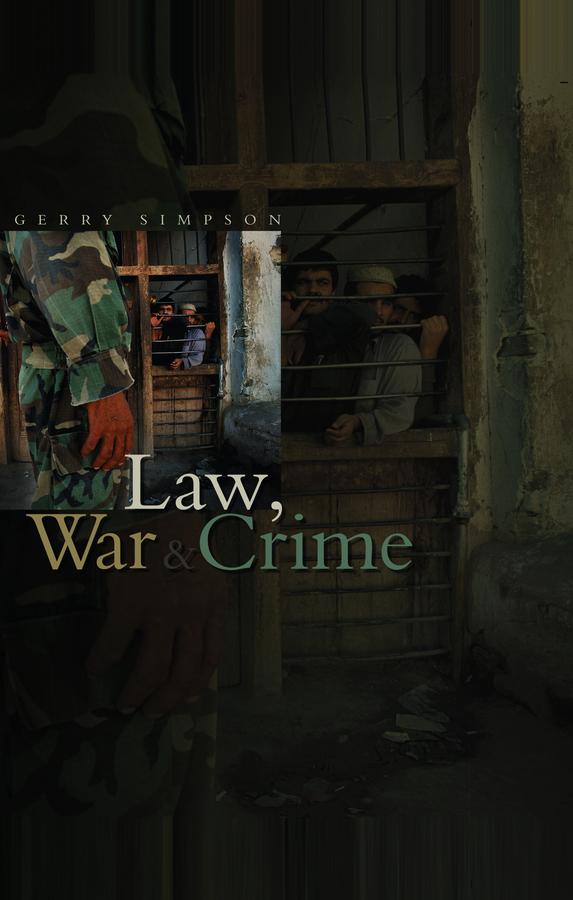
Simpson argues that the field of war crimes is constituted by a number of tensions between, for example, politics and law, local justice and cosmopolitan reckoning, collective guilt and individual responsibility, and between the instinct that war, at worst, is an error and the conviction that war is a crime.
Written in the wake of an extraordinary period in the life of the law, the book asks a number of critical questions. What does it mean to talk about war in the language of the criminal law? What are the consequences of seeking to criminalise the conduct of one's enemies? How did this relatively new phenomenon of putting on trial perpetrators of mass atrocity and defeated enemies come into existence? This book seeks to answer these important questions whilst shedding new light on the complex relationship between law, war and crime.
Płać wygodnie kartą, Klarną, Apple Pay lub Google Pay. Nie jesteś zadowolony? Zawsze masz 14-dniową gwarancję zwrotu pieniędzy. Więcej przeczytasz w naszych warunkach. Masz pytania? Napisz do nas na hello@memmo.org.
Memmo ułatwia naukę – gdziekolwiek jesteś na świecie. U nas znajdziesz podręczniki i sprytne narzędzia do nauki w jednym miejscu: streszczenia, quizy, podcasty i fiszki. A do tego Ted, Twój kumpel do nauki, który odpowie na wszystko, co Cię nurtuje. Ponad 50 000 studentów już tu się uczy – stworzone, byś uczył się szybciej i mniej stresował.