
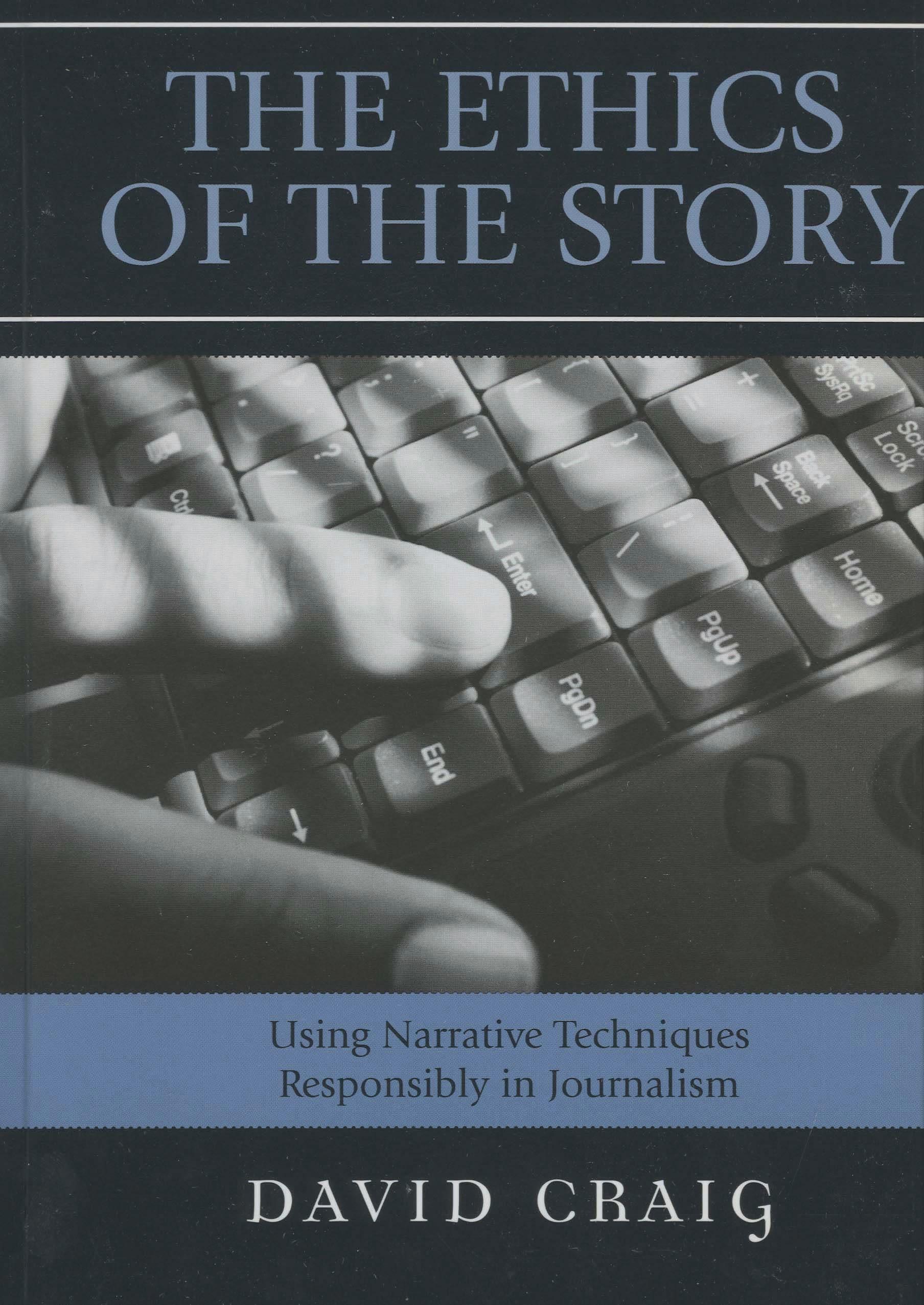
The best journalists are masters at their craft. With a comma and a colon, a vivid verb and a colorful adjective, they not only convey important information but also create a sense of place and evoke powerful emotions. A compelling story can shape_for good or ill_the way a reader understands people, events, and issues. The Ethics of the Story examines the ethical implications of narrative techniques commonly used in journalism, not just literary journalism but also news and feature writing. The book draws on interviews with 60 talented journalists, including Pulitzer Prize winners, to offer practical advice about ethical choices in writing and editing. Much has been written about journalism ethics, but the discussion has often focused on spectacularly bad decisions_such as Jayson BlairOs and Jack KelleyOs use of fraudulent narrative_rather than the ethical dimension of day-to-day choices about the building blocks of journalistic storytelling. The Ethics of the Story fills a gap in current work on ethics, writing, and editing. It will enlighten any serious wordsmith with a story to tell.
Płać wygodnie kartą, Klarną, Apple Pay lub Google Pay. Nie jesteś zadowolony? Zawsze masz 14-dniową gwarancję zwrotu pieniędzy. Więcej przeczytasz w naszych warunkach. Masz pytania? Napisz do nas na hello@memmo.org.
Memmo ułatwia naukę – gdziekolwiek jesteś na świecie. U nas znajdziesz podręczniki i sprytne narzędzia do nauki w jednym miejscu: streszczenia, quizy, podcasty i fiszki. A do tego Ted, Twój kumpel do nauki, który odpowie na wszystko, co Cię nurtuje. Ponad 50 000 studentów już tu się uczy – stworzone, byś uczył się szybciej i mniej stresował.