
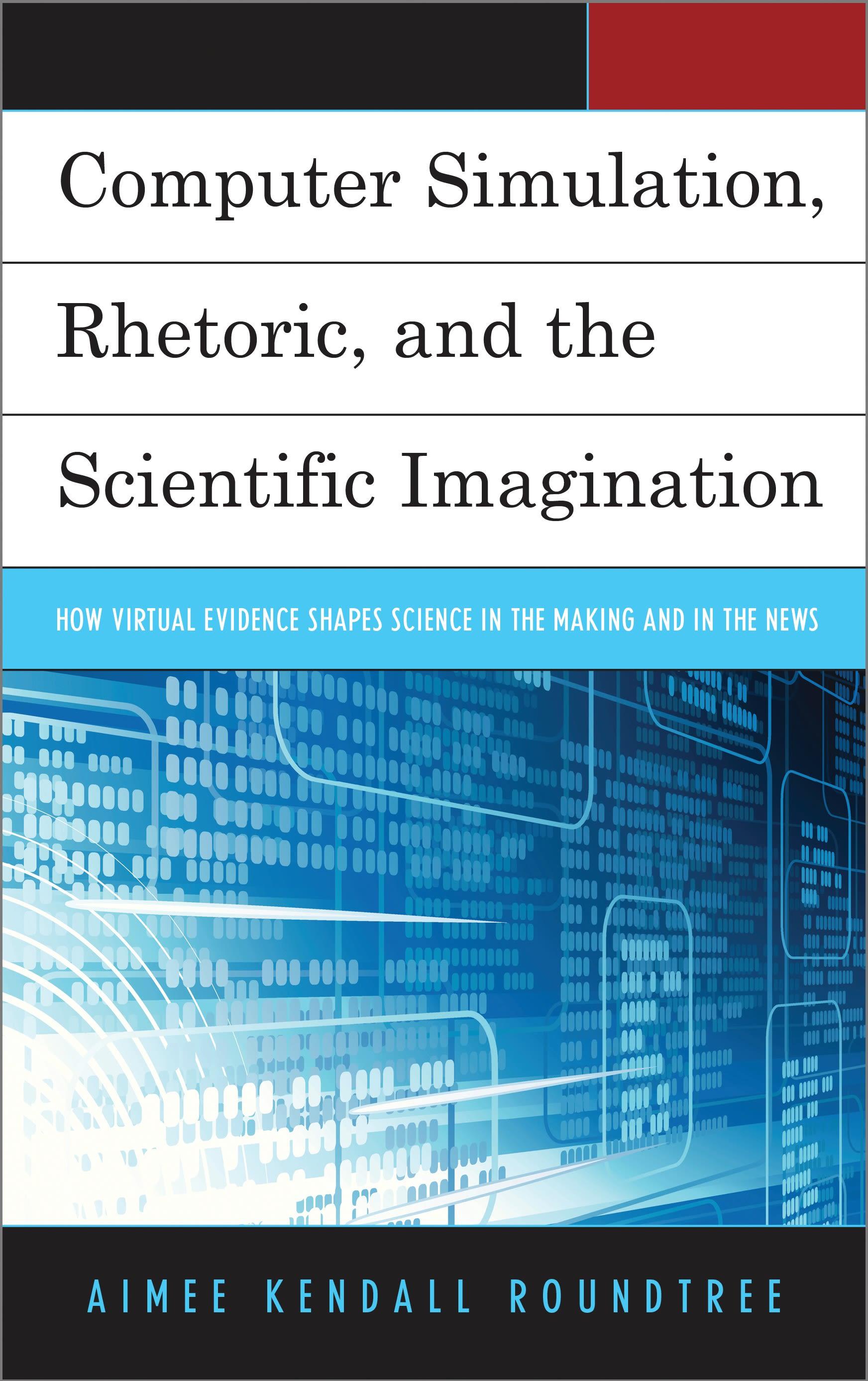
Computer simulations help advance climatology, astrophysics, and other scientific disciplines. They are also at the crux of several high-profile cases of science in the news. How do simulation scientists, with little or no direct observations, make decisions about what to represent? What is the nature of simulated evidence, and how do we evaluate its strength? Aimee Kendall Roundtree suggests answers in Computer Simulation, Rhetoric, and the Scientific Imagination. She interprets simulations in the sciences by uncovering the argumentative strategies that underpin the production and dissemination of simulated findings. She also explains how subjective and social influences do not diminish simulations’ virtue or power to represent the real thing. Along the way, Roundtree situates computer simulations within the scientific imagination alongside paradoxes, thought experiments, and metaphors. A cogent rhetorical analysis, Computer Simulation, Rhetoric, and the Scientific Imagination engages scholars of the rhetoric of science, technology, and new and digital media, but it is also accessible to the general public interested in debates over hurricane preparedness and climate change.
Płać wygodnie kartą, Klarną, Apple Pay lub Google Pay. Nie jesteś zadowolony? Zawsze masz 14-dniową gwarancję zwrotu pieniędzy. Więcej przeczytasz w naszych warunkach. Masz pytania? Napisz do nas na hello@memmo.org.
Memmo ułatwia naukę – gdziekolwiek jesteś na świecie. U nas znajdziesz podręczniki i sprytne narzędzia do nauki w jednym miejscu: streszczenia, quizy, podcasty i fiszki. A do tego Ted, Twój kumpel do nauki, który odpowie na wszystko, co Cię nurtuje. Ponad 50 000 studentów już tu się uczy – stworzone, byś uczył się szybciej i mniej stresował.