
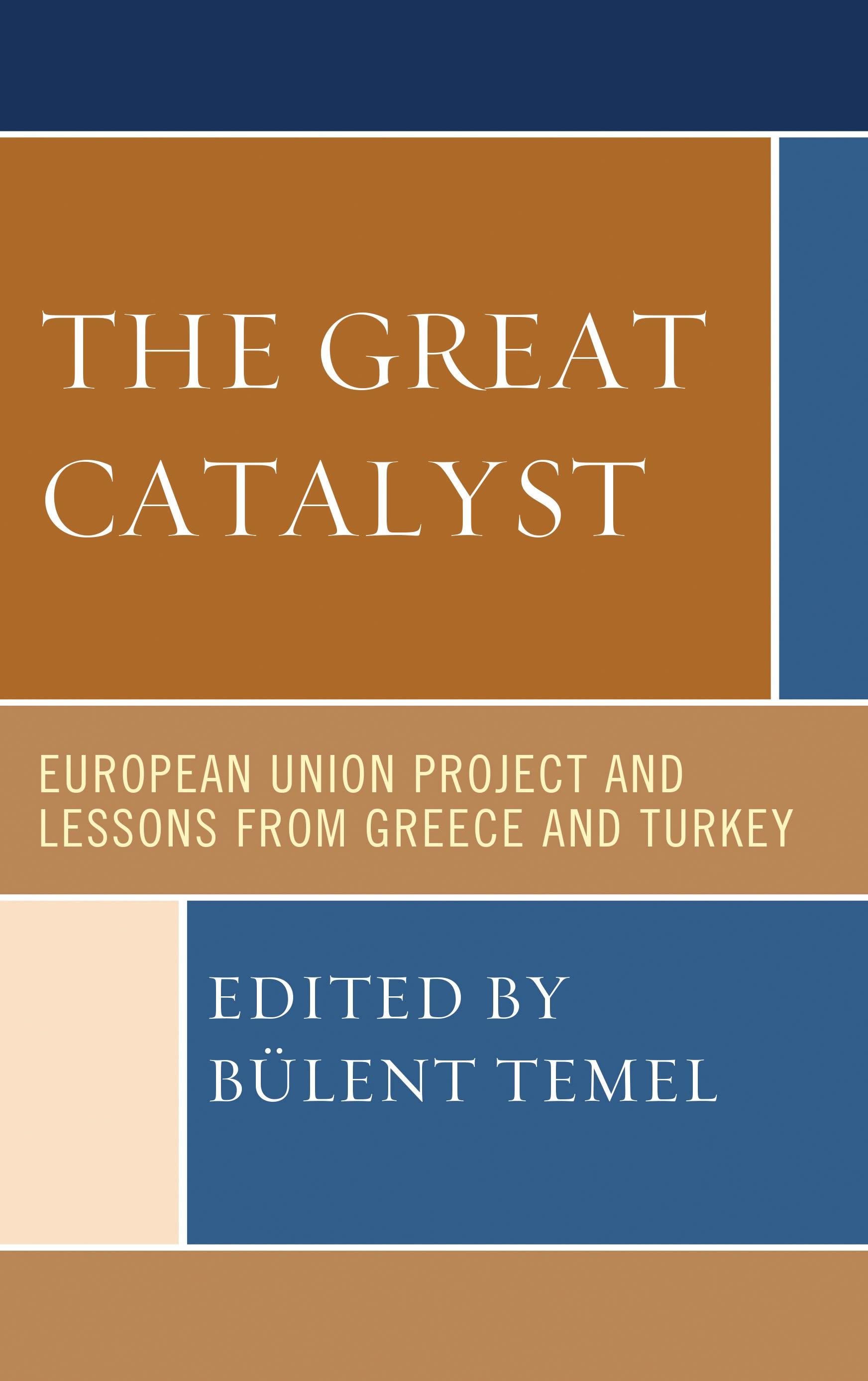
For over half a century, European Union has been a promising endeavor of cooperative institutionalism. It has shown that even nation states with a long history of conflict are capable of collaborating with one another to serve their own interests. However, the EU project has also made visible that there is no one-size-fits-all policy in economics that can be applied to all countries with success. Economics starts and ends with the society. Common culture determines the outcomes of economic policies, and ordinary people pick up the bill when policies turn out to be failures.
This book presents two different tales of the European Union to provide an empirical challenge to oversimplified assumptions behind the neoliberal orthodoxy in policymaking: Favorable experience of the EU-candidate Turkey, and the regrettable venture of the EU-member Greece. The fact that these two neighboring countries with similar cultures have had vastly different experiences with the European Union suggests that the EU functions as a catalyst of change in the countries that associate with it, but this impact could be negative as well as positive depending on the role the EU plays. Political economist Bülent Temel presents a lucid analysis of the Turkish and Greek encounters with the EU—based on contributions from a diverse range of social sciences; economics, game theory, finance, political science and sociology.
This book presents two different tales of the European Union to provide an empirical challenge to oversimplified assumptions behind the neoliberal orthodoxy in policymaking: Favorable experience of the EU-candidate Turkey, and the regrettable venture of the EU-member Greece. The fact that these two neighboring countries with similar cultures have had vastly different experiences with the European Union suggests that the EU functions as a catalyst of change in the countries that associate with it, but this impact could be negative as well as positive depending on the role the EU plays. Political economist Bülent Temel presents a lucid analysis of the Turkish and Greek encounters with the EU—based on contributions from a diverse range of social sciences; economics, game theory, finance, political science and sociology.
Płać wygodnie kartą, Klarną, Apple Pay lub Google Pay. Nie jesteś zadowolony? Zawsze masz 14-dniową gwarancję zwrotu pieniędzy. Więcej przeczytasz w naszych warunkach. Masz pytania? Napisz do nas na hello@memmo.org.
Memmo ułatwia naukę – gdziekolwiek jesteś na świecie. U nas znajdziesz podręczniki i sprytne narzędzia do nauki w jednym miejscu: streszczenia, quizy, podcasty i fiszki. A do tego Ted, Twój kumpel do nauki, który odpowie na wszystko, co Cię nurtuje. Ponad 50 000 studentów już tu się uczy – stworzone, byś uczył się szybciej i mniej stresował.