
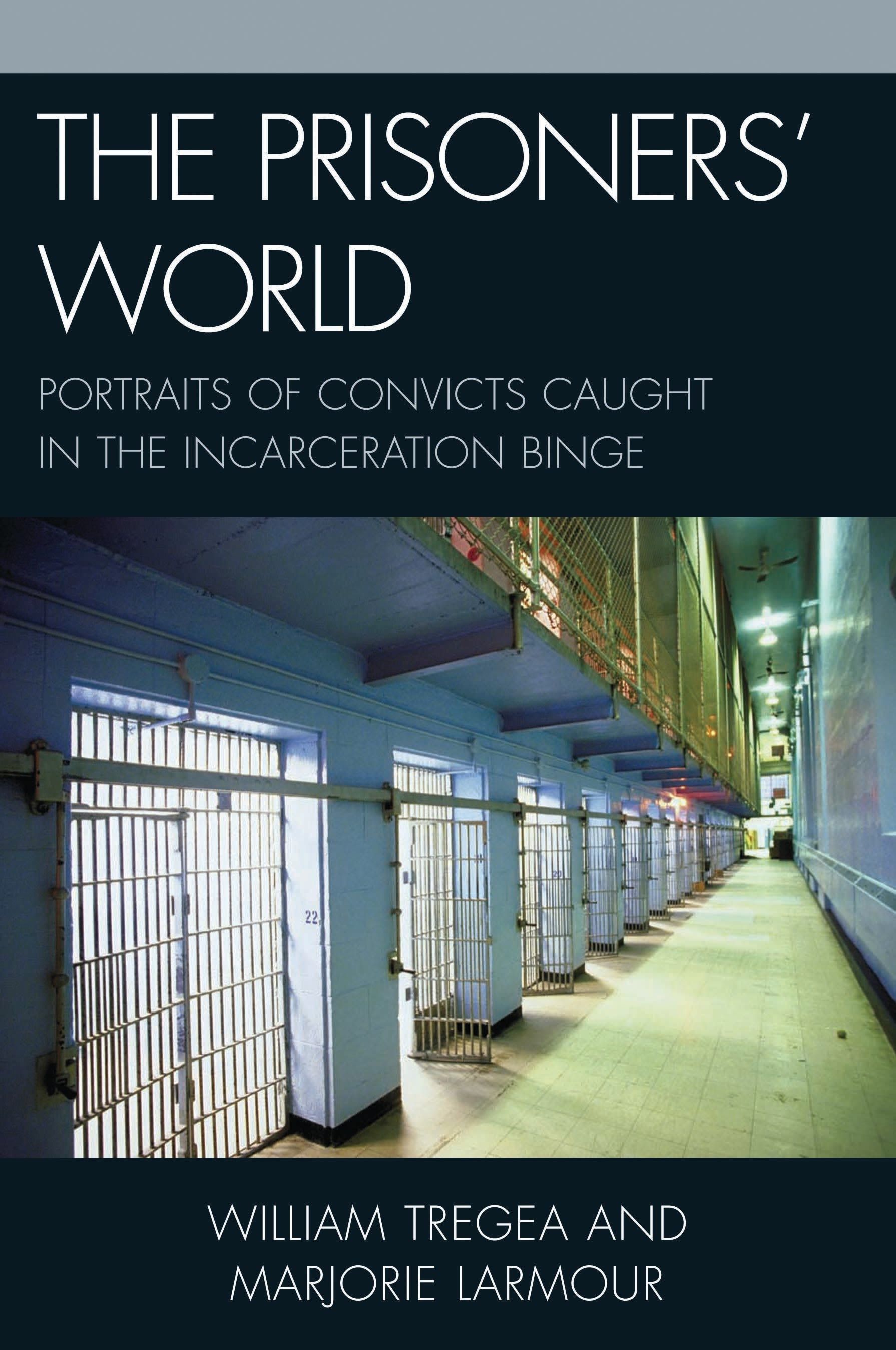
Drawing on twenty-five years of teaching prison college and volunteer classes in eleven Michigan and California prisons, The Prisoners' World strives to make the "prisoners' voice" come alive for regular college students.
The book starts off by tracing shifts in social definitions of criminality, and lays out the premises of the U.S. incarceration binge in the 1986 War on Drugs laws and subsequent mandatory sentencing and policing. Later chapters discuss issues such as leaving home, cell life, correctional officers and treatment, the homosexual prisoner, and drugs. Furthermore, the book discusses the teachers' experiences via author narrative essays that draw the reader into prisoner student and prisoner teacher interaction, and what it is like inside prison college classes where both young and older black prisoner students describe growing up in the inner cities.
The book also draws upon over sixty prisoner essays that provide insight on prisoner life and self-concept with insights on pathways to prison, drug selling, the inner city and guns. There is also a strong focus on the "inside" experiences of entering prison and orientation, daily work routine, correctional officers and surreptitious activities like cell cooking and contraband. These essays are capped by prisoner critiques of prison life from those still in the system.
The Prisoners' World serves as a successful supplemental book whose material has proven useful in undergraduate criminal justice classes. As college students themselves, on-campus students in these classes will identify with the prisoner-student voices who share their experiences but in a radically different environment.
The book starts off by tracing shifts in social definitions of criminality, and lays out the premises of the U.S. incarceration binge in the 1986 War on Drugs laws and subsequent mandatory sentencing and policing. Later chapters discuss issues such as leaving home, cell life, correctional officers and treatment, the homosexual prisoner, and drugs. Furthermore, the book discusses the teachers' experiences via author narrative essays that draw the reader into prisoner student and prisoner teacher interaction, and what it is like inside prison college classes where both young and older black prisoner students describe growing up in the inner cities.
The book also draws upon over sixty prisoner essays that provide insight on prisoner life and self-concept with insights on pathways to prison, drug selling, the inner city and guns. There is also a strong focus on the "inside" experiences of entering prison and orientation, daily work routine, correctional officers and surreptitious activities like cell cooking and contraband. These essays are capped by prisoner critiques of prison life from those still in the system.
The Prisoners' World serves as a successful supplemental book whose material has proven useful in undergraduate criminal justice classes. As college students themselves, on-campus students in these classes will identify with the prisoner-student voices who share their experiences but in a radically different environment.
Płać wygodnie kartą, Klarną, Apple Pay lub Google Pay. Nie jesteś zadowolony? Zawsze masz 14-dniową gwarancję zwrotu pieniędzy. Więcej przeczytasz w naszych warunkach. Masz pytania? Napisz do nas na hello@memmo.org.
Memmo ułatwia naukę – gdziekolwiek jesteś na świecie. U nas znajdziesz podręczniki i sprytne narzędzia do nauki w jednym miejscu: streszczenia, quizy, podcasty i fiszki. A do tego Ted, Twój kumpel do nauki, który odpowie na wszystko, co Cię nurtuje. Ponad 50 000 studentów już tu się uczy – stworzone, byś uczył się szybciej i mniej stresował.