
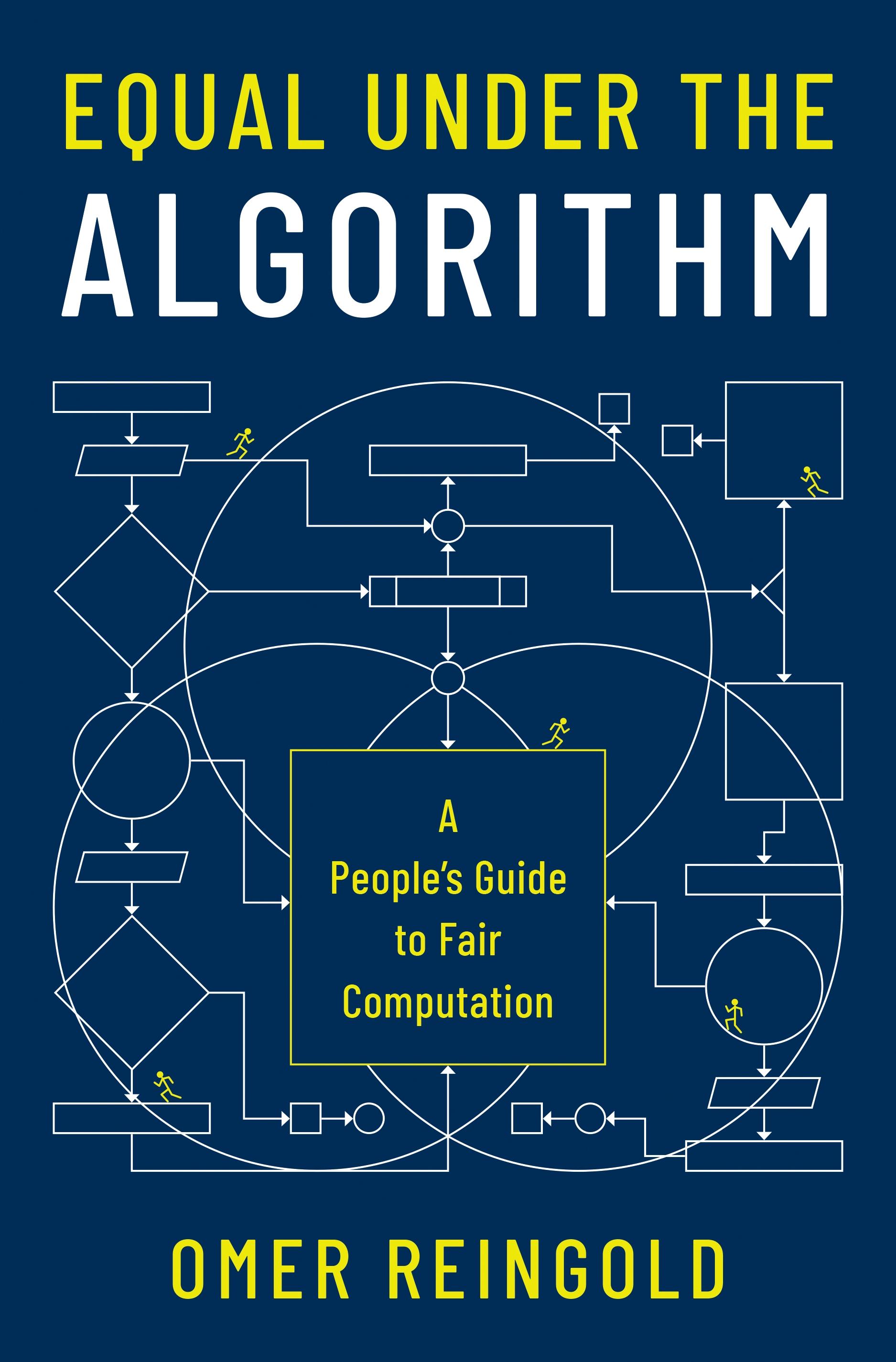
Seeing fairness through a computational lens
More and more of the decisions that shape our lives are driven by algorithms: what healthcare we receive, what loans we are offered, whom we date, the news we read, the schools we attend, and the jobs we get. These systems do not merely assist human decisions; they structure the very processes through which decisions are made. Today, asking to be treated fairly often means asking that algorithms treat us fairly.
In Equal under the Algorithm, Omer Reingold explores the question of algorithmic fairness and, more broadly, fairness itself. He guides readers toward a deeper understanding of algorithms, explaining the mathematical language in which they operate, the power they wield, and the computational limits that shape what can realistically be demanded of them. Moving seamlessly between mathematics and philosophy, he shows how formal definitions of fairness capture different moral commitments and why some fairness ideals cannot be satisfied. Fairness, he argues, is plural.
Reingold discusses fairness in resource allocation through relatable problems, from dividing a cake fairly (who gets the bigger piece? frosting or sprinkles?) to allocating medical internships and other scarce opportunities. He explains machine learning through a fairness lens and shows how biases in applications such as screening and recruiting tools emerge not only from discriminatory intent but also from the hidden assumptions embedded in our data and definitions. Inviting readers into a conversation that should not be left to experts alone, Reingold clarifies the stakes of a debate often dominated by jargon and slogans.
Płać wygodnie kartą, Klarną, Apple Pay lub Google Pay. Nie jesteś zadowolony? Zawsze masz 14-dniową gwarancję zwrotu pieniędzy. Więcej przeczytasz w naszych warunkach. Masz pytania? Napisz do nas na hello@memmo.org.
Memmo ułatwia naukę – gdziekolwiek jesteś na świecie. U nas znajdziesz podręczniki i sprytne narzędzia do nauki w jednym miejscu: streszczenia, quizy, podcasty i fiszki. A do tego Ted, Twój kumpel do nauki, który odpowie na wszystko, co Cię nurtuje. Ponad 50 000 studentów już tu się uczy – stworzone, byś uczył się szybciej i mniej stresował.