
Zanim poznałem Memmo, moje notatki były rozrzucone po PDF-ach. Teraz obszar roboczy zbiera wszystko w jednym miejscu — widzę dokładnie, co jeszcze muszę powtórzyć.
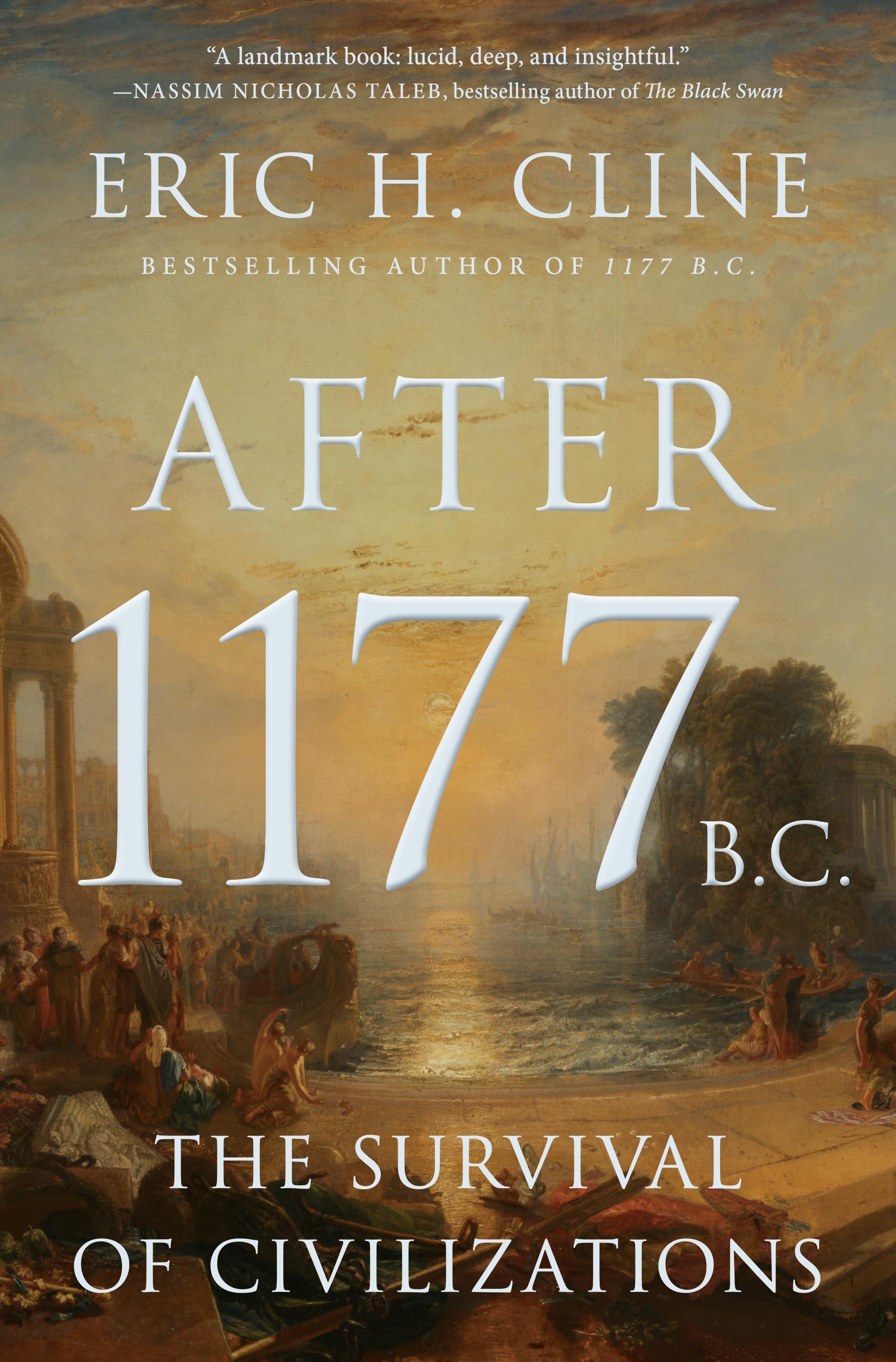
In this gripping sequel to his bestselling 1177 B.C., Eric Cline tells the story of what happened after the Bronze Age collapsed—why some civilizations endured, why some gave way to new ones, and why some disappeared forever
“A landmark book: lucid, deep, and insightful. . . . You cannot understand human civilization and self-organization without studying what happened on, before, and after 1177 B.C.”—Nassim Nicholas Taleb, bestselling author of The Black Swan
At the end of the acclaimed history 1177 B.C., many of the Late Bronze Age civilizations of the Aegean and Eastern Mediterranean lay in ruins, undone by invasion, revolt, natural disasters, famine, and the demise of international trade. An interconnected world that had boasted major empires and societies, relative peace, robust commerce, and monumental architecture was lost and the so-called First Dark Age had begun. Now, in After 1177 B.C., Eric Cline tells the compelling story of what happened next, over four centuries, across the Aegean and Eastern Mediterranean world. It is a story of resilience, transformation, and success, as well as failures, in an age of chaos and reconfiguration.
After 1177 B.C. tells how the collapse of powerful Late Bronze Age civilizations created new circumstances to which people and societies had to adapt. Those that failed to adjust disappeared from the world stage, while others transformed themselves, resulting in a new world order that included Phoenicians, Philistines, Israelites, Neo-Hittites, Neo-Assyrians, and Neo-Babylonians. Taking the story up to the resurgence of Greece marked by the first Olympic Games in 776 B.C., the book also describes how world-changing innovations such as the use of iron and the alphabet emerged amid the chaos.
Filled with lessons for today's world about why some societies survive massive shocks while others do not, After 1177 B.C. reveals why this period, far from being the First Dark Age, was a new age with new inventions and new opportunities.
Zanim poznałem Memmo, moje notatki były rozrzucone po PDF-ach. Teraz obszar roboczy zbiera wszystko w jednym miejscu — widzę dokładnie, co jeszcze muszę powtórzyć.
Podsumowania Memmo to złoto przed egzaminami. Nie muszę czytać 800 stron dwa tygodnie wcześniej — tylko to, co najważniejsze.
Czat AI uratował mnie niejeden raz w noc przed egzaminem. Pytam, dopóki nie zrozumiem — i nie muszę czekać na odpowiedź od grupy studyjnej.
Quizy trafiają w punkt, jeśli chodzi o to, co muszę wiedzieć. Memmo śledzi, na czym się zacinam — więc ćwiczę tylko to, co naprawdę się liczy.
Fiszki z powtórkami rozłożonymi w czasie to magia. Memmo wie, kiedy mam coś zapomnieć i przypomina mi o tym.
Podcasty AI to mój faworyt. Słucham w drodze do szkoły i powtarzam materiał, nie siedząc przed komputerem.

Handbok i kvalitativa metoder
281 kr

Hållbar utveckling: en introduktion för ingenjörer och andra problemlösare
334 kr

Brymans Samhällsvetenskapliga metoder
390 kr

Projektledning
491 kr

Den orättvisa hälsan: om socioekonomiska skillnader i hälsa och livslängd
326 kr

Organizational Leadership
429 kr

Vetenskapsteori för nybörjare
196 kr

På väg mot läraryrket
172 kr

Det sociala livet i skolan: Socialpsykologiska perspektiv
253 kr

Betygsättningens didaktik
151 kr

Personality
402 kr

Studying Leadership
404 kr

Managing Innovation
477 kr

Introduktion till samhällsvetenskaplig metod
347 kr

The Psychology of Sex and Gender
698 kr

Evidens och kunskap för socialt arbete
207 kr

Introduction to Leadership
605 kr