
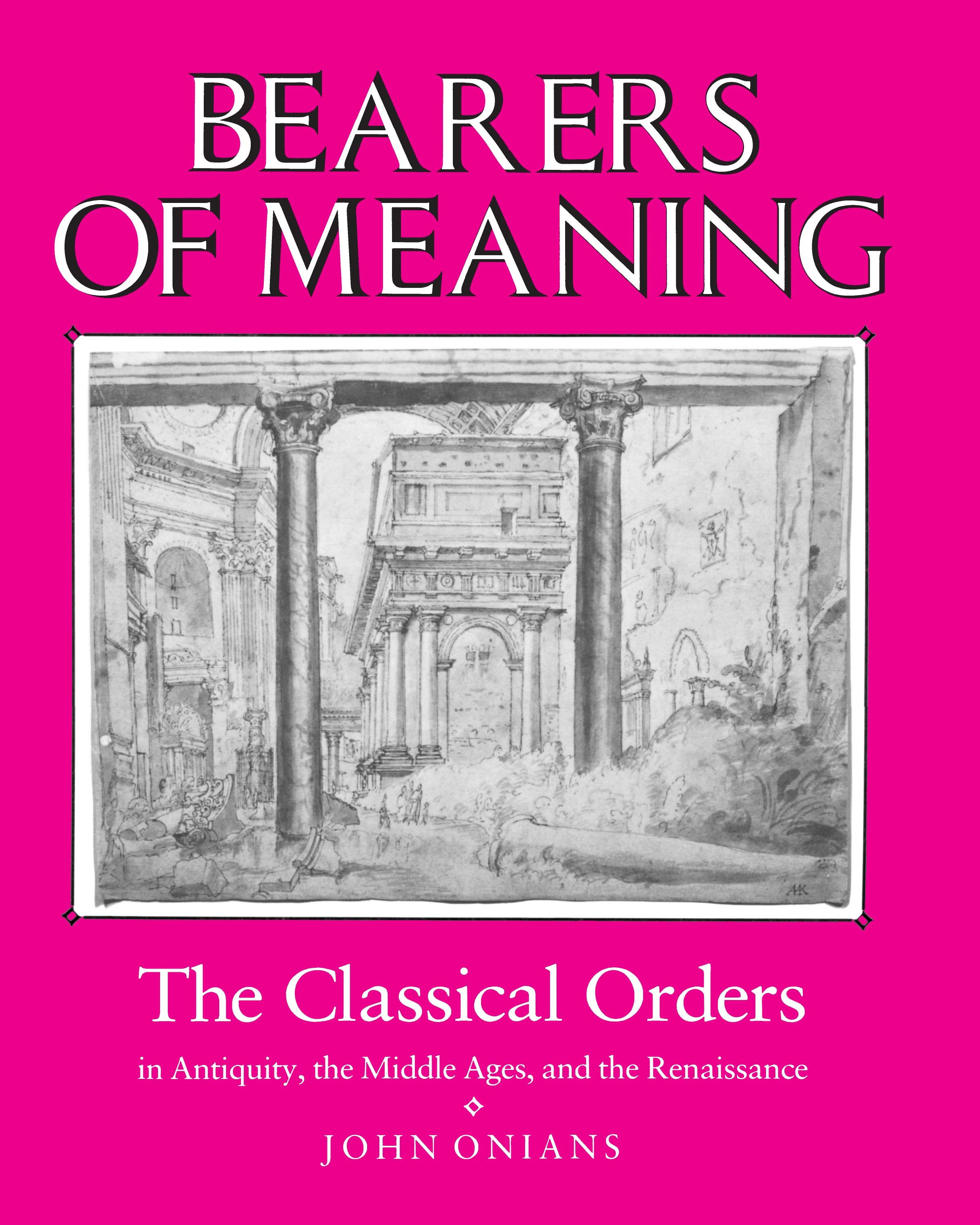
For all those interested in the relationship between ideas and the built environment, John Onians provides a lively illustrated account of the range of meanings that Western culture has assigned to the Classical orders. Onians shows that during the 2,000 years from their first appearance in ancient Greece through their codification in Renaissance Italy, the orders--the columns and capitals known as Doric, Ionic, Corinthian, Tuscan, and Composite--were made to serve expressive purposes, engaging the viewer in a continuing visual dialogue.
Płać wygodnie kartą, Klarną, Apple Pay lub Google Pay. Nie jesteś zadowolony? Zawsze masz 14-dniową gwarancję zwrotu pieniędzy. Więcej przeczytasz w naszych warunkach. Masz pytania? Napisz do nas na hello@memmo.org.
Memmo ułatwia naukę – gdziekolwiek jesteś na świecie. U nas znajdziesz podręczniki i sprytne narzędzia do nauki w jednym miejscu: streszczenia, quizy, podcasty i fiszki. A do tego Ted, Twój kumpel do nauki, który odpowie na wszystko, co Cię nurtuje. Ponad 50 000 studentów już tu się uczy – stworzone, byś uczył się szybciej i mniej stresował.