
Zanim poznałem Memmo, moje notatki były rozrzucone po PDF-ach. Teraz obszar roboczy zbiera wszystko w jednym miejscu — widzę dokładnie, co jeszcze muszę powtórzyć.
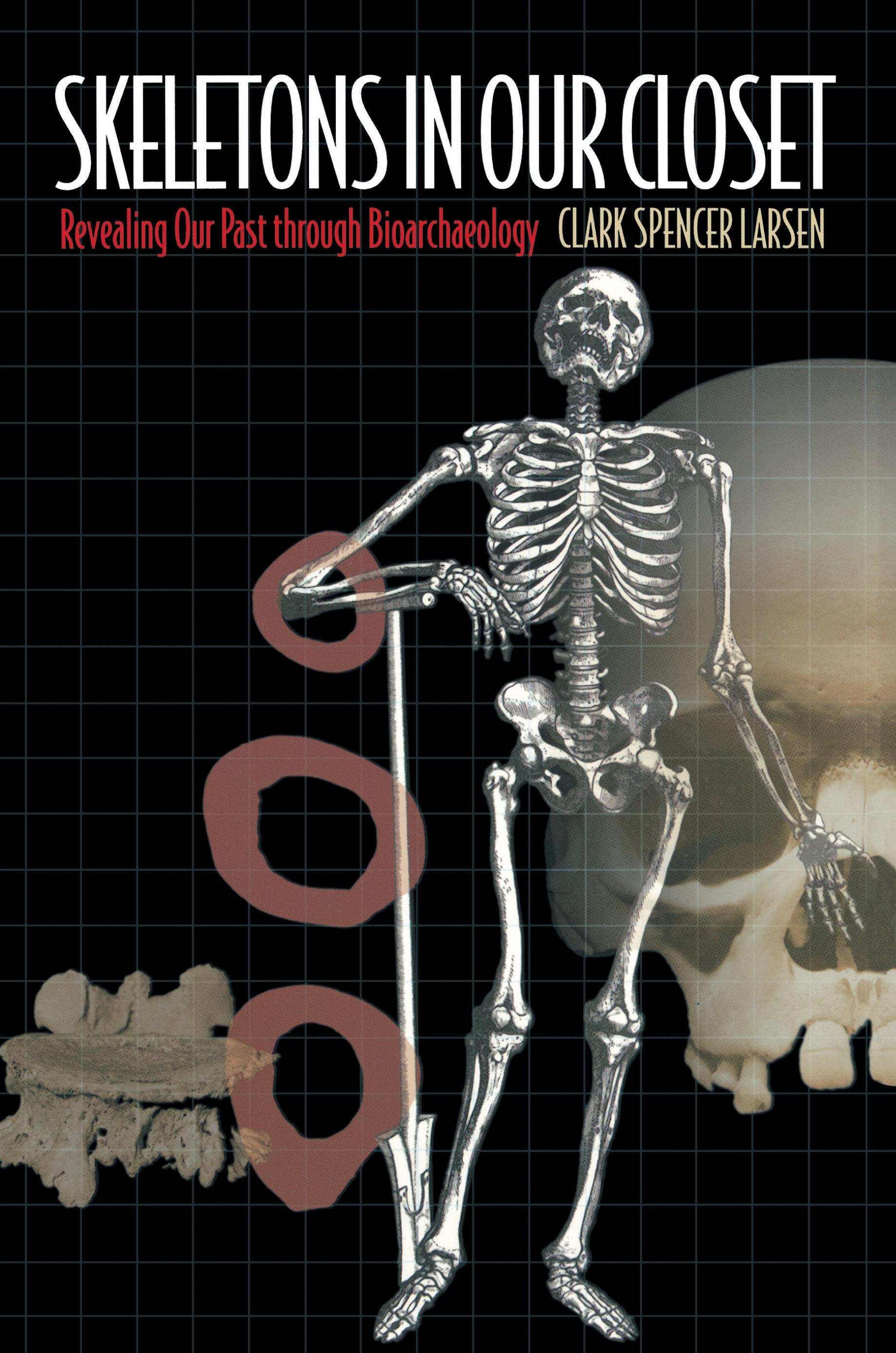
The dead tell no tales. Or do they? In this fascinating book, Clark Spencer Larsen shows that the dead can speak to us--about their lives, and ours--through the remarkable insights of bioarchaeology, which reconstructs the lives and lifestyles of past peoples based on the study of skeletal remains. The human skeleton is an amazing storehouse of information. It records the circumstances of our growth and development as reflected in factors such as disease, stress, diet, nutrition, climate, activity, and injury. Bioarchaeologists, by combining the methods of forensic science and archaeology, along with the resources of many other disciplines (including chemistry, geology, physics, and biology), "read" the information stored in bones to understand what life was really like for our human ancestors. They are unearthing some surprises.
For instance, the shift from hunting and gathering to agriculture approximately 10,000 years ago has commonly been seen as a major advancement in the course of human evolution. However, as Larsen provocatively shows, this change may not have been so positive. Compared to their hunter-gatherer ancestors, many early farmers suffered more disease, had to work harder, and endured a poorer quality of life due to poorer diets and more marginal living conditions. Moreover, the past 10,000 years have seen dramatic changes in the human physiognomy as a result of alterations in our diet and lifestyle. Some modern health problems, including obesity and chronic disease, may also have their roots in these earlier changes.
Drawing on vivid accounts from his own experiences as a bioarchaeologist, Larsen guides us through some of the key developments in recent human evolution, including the adoption of agriculture, the arrival of Europeans in the Americas and the biological consequences of this contact, and the settlement of the American West in the eighteenth and nineteenth centuries. Written in a lively and engaging manner, this book is for anyone interested in what the dead have to tell us about the living.
Zanim poznałem Memmo, moje notatki były rozrzucone po PDF-ach. Teraz obszar roboczy zbiera wszystko w jednym miejscu — widzę dokładnie, co jeszcze muszę powtórzyć.
Podsumowania Memmo to złoto przed egzaminami. Nie muszę czytać 800 stron dwa tygodnie wcześniej — tylko to, co najważniejsze.
Czat AI uratował mnie niejeden raz w noc przed egzaminem. Pytam, dopóki nie zrozumiem — i nie muszę czekać na odpowiedź od grupy studyjnej.
Quizy trafiają w punkt, jeśli chodzi o to, co muszę wiedzieć. Memmo śledzi, na czym się zacinam — więc ćwiczę tylko to, co naprawdę się liczy.
Fiszki z powtórkami rozłożonymi w czasie to magia. Memmo wie, kiedy mam coś zapomnieć i przypomina mi o tym.
Podcasty AI to mój faworyt. Słucham w drodze do szkoły i powtarzam materiał, nie siedząc przed komputerem.

Handbok i kvalitativa metoder
281 kr

Hållbar utveckling: en introduktion för ingenjörer och andra problemlösare
334 kr

Brymans Samhällsvetenskapliga metoder
390 kr

Projektledning
491 kr

Den orättvisa hälsan: om socioekonomiska skillnader i hälsa och livslängd
326 kr

Organizational Leadership
429 kr

Vetenskapsteori för nybörjare
196 kr

På väg mot läraryrket
172 kr

Det sociala livet i skolan: Socialpsykologiska perspektiv
253 kr

Betygsättningens didaktik
151 kr

Personality
402 kr

Studying Leadership
404 kr

Managing Innovation
477 kr

Introduktion till samhällsvetenskaplig metod
347 kr

The Psychology of Sex and Gender
698 kr

Evidens och kunskap för socialt arbete
207 kr

Introduction to Leadership
605 kr