
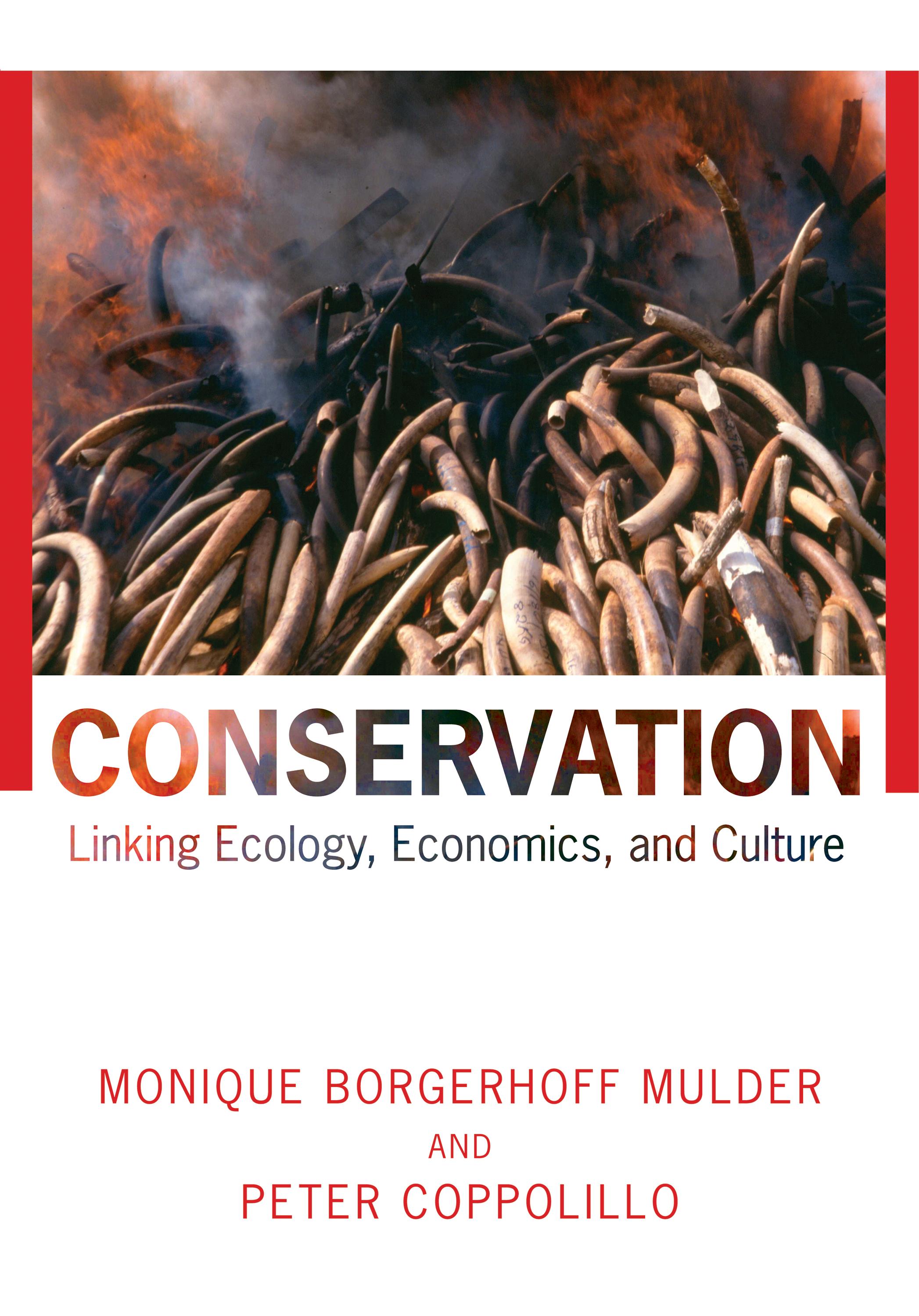
Nearly 90 percent of the earth's land surface is directly affected by human infrastructure and activities, yet less than 5 percent is legally "protected" for biodiversity conservation--and even most large protected areas have people living inside their boundaries. In all but a small fraction of the earth's land area, then, conservation and people must coexist. Conservation is a resource for all those who aim to reconcile biodiversity with human livelihoods. It traces the historical roots of modern conservation thought and practice, and explores current perspectives from evolutionary and community ecology, conservation biology, anthropology, political ecology, economics, and policy. The authors examine a suite of conservation strategies and perspectives from around the world, highlighting the most innovative and promising avenues for future efforts.
Exploring, highlighting, and bridging gaps between the social and natural sciences as applied in the practice of conservation, this book provides a broad, practically oriented view. It is essential reading for anyone involved in the conservation process--from academic conservation biology to the management of protected areas, rural livelihood development to poverty alleviation, and from community-based natural resource management to national and global policymaking.
Płać wygodnie kartą, Klarną, Apple Pay lub Google Pay. Nie jesteś zadowolony? Zawsze masz 14-dniową gwarancję zwrotu pieniędzy. Więcej przeczytasz w naszych warunkach. Masz pytania? Napisz do nas na hello@memmo.org.
Memmo ułatwia naukę – gdziekolwiek jesteś na świecie. U nas znajdziesz podręczniki i sprytne narzędzia do nauki w jednym miejscu: streszczenia, quizy, podcasty i fiszki. A do tego Ted, Twój kumpel do nauki, który odpowie na wszystko, co Cię nurtuje. Ponad 50 000 studentów już tu się uczy – stworzone, byś uczył się szybciej i mniej stresował.