
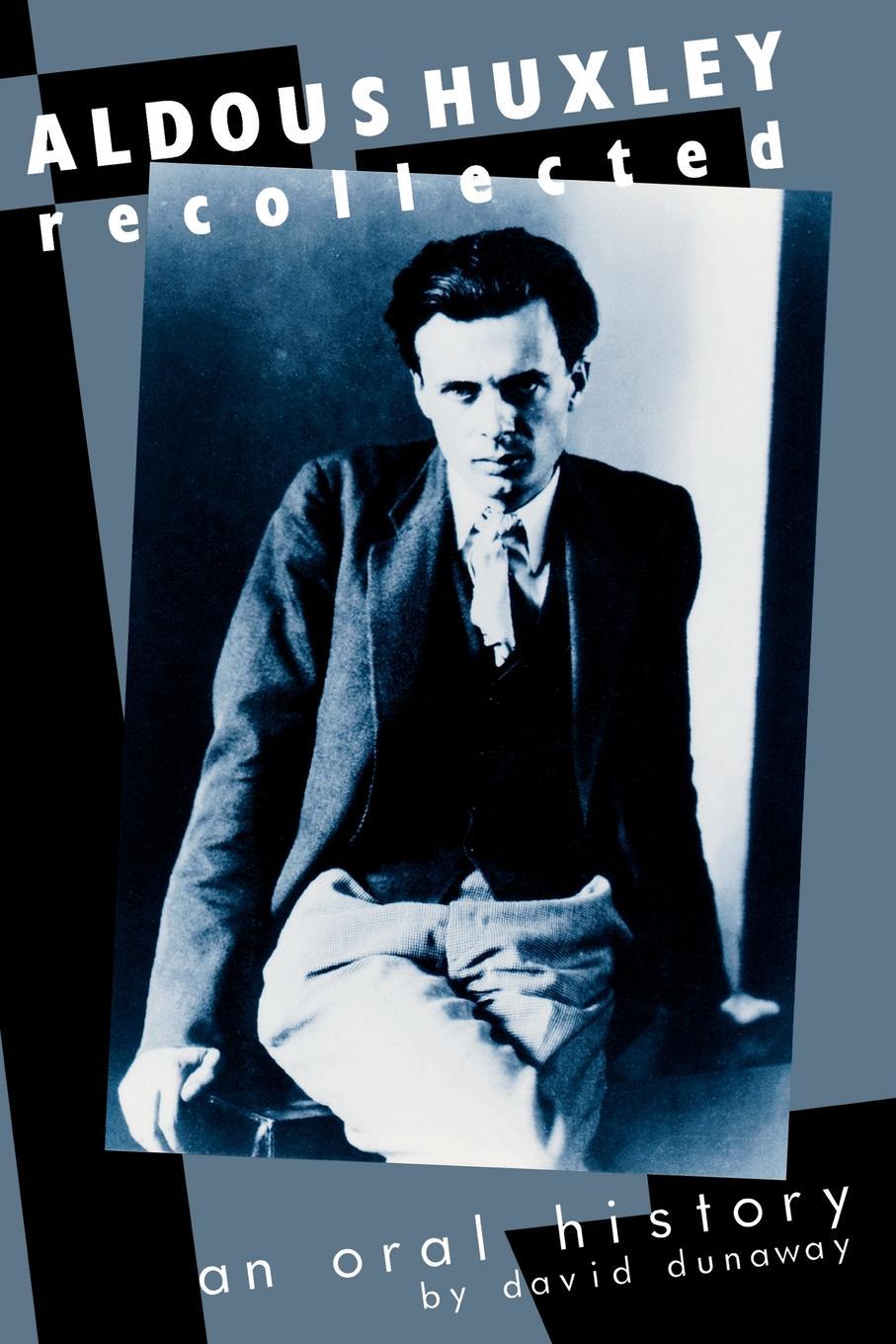
Best-selling author Aldous Huxley's American years have been a period literary historians discounted. His reputation suffered after his exile to California, which he undertook partly for the sake of his failing sight, partly out of disappointment with the European peace movement, and partly in search of new spiritual direction. With his move to California, Huxley became part of Hollywood's Golden Age, working alongside such noted figures as Charlie Chaplin, Greta Garbo, F. Scott Fitzgerald, Bertolt Brecht and Christopher Isherwood. During this time Huxley published nineteen books. His writing and life underwent many transformations, and many crucial unanswered questions remained about his sojourn. Were the writings of the American years as self-indulgent as critics claimed? How did cinematic conventions influence his art? Did he ever reach that unitary mystical experience he sought throughout the last decades of his life? Prominent oral historian and biographer David Dunaway responds to these questions, using interviews with co-workers, family, and friends and an analysis of Huxley's FBI files and little-known scripts for 'Jane Eyre' and 'Pride and Prejudice,' to provide us with intimate glimpses into Huxley's development as an author and a man. For the oral and literary historian, an extended introduction and appendix describe in detail the methods, processes, and challenges of doing oral literary history research.
Płać wygodnie kartą, Klarną, Apple Pay lub Google Pay. Nie jesteś zadowolony? Zawsze masz 14-dniową gwarancję zwrotu pieniędzy. Więcej przeczytasz w naszych warunkach. Masz pytania? Napisz do nas na hello@memmo.org.
Memmo ułatwia naukę – gdziekolwiek jesteś na świecie. U nas znajdziesz podręczniki i sprytne narzędzia do nauki w jednym miejscu: streszczenia, quizy, podcasty i fiszki. A do tego Ted, Twój kumpel do nauki, który odpowie na wszystko, co Cię nurtuje. Ponad 50 000 studentów już tu się uczy – stworzone, byś uczył się szybciej i mniej stresował.